

Living in Japan without Japanese ancestry is possible, and there is more than one route. Study, work, marriage, a specific skilled-worker status and permanent residence all exist, and each comes with its own conditions and timelines. This guide orders the routes and names what has to be prepared along the way.
Contents 6
Start with the visa categories
A long stay needs a status of residence. The main ones cover study, work in specialised or international fields, spouse or family status, specified skilled worker, and permanent resident. A tourist cannot work, and any side job needs separate permission.

The student status covers language schools, vocational schools and universities. With permission, students may work part-time up to 28 hours a week. The work status requires a degree or relevant experience, and the job itself must match the status.
From study to work
Language schools usually run one to two years. Many students then move to a vocational school or university and switch to a work status after graduating. Vocational schools often ask for Japanese at N2 level; universities set their own rules.

One language school in Maebashi, Gunma Prefecture, sits a little over an hour by train from Tokyo. It offers Japanese courses, preparation for the EJU and a route into vocational schools, and it lists dormitory places, part-time job support and daily-life help. Lower rent than Tokyo is another reason to choose the location.
Costs and part-time work
A part-time job rarely covers tuition and living costs on its own. Tuition and the first set-up should be funded in advance, while the job tops up food and transport. The 28-hour limit protects study time and health.

After arrival come the residence card, the address registration and enrolment in the national health insurance. Premiums depend on income but cut medical bills sharply. Pension and tax notices arrive as well, so paperwork should not be postponed.
Permanent residence and nationality
Permanent residence generally requires ten years of residence, five of them with a work status. The points system for highly skilled professionals, or a spouse route, can shorten the period. Naturalisation looks at five years of residence, adulthood, conduct and a stable livelihood, among other points.
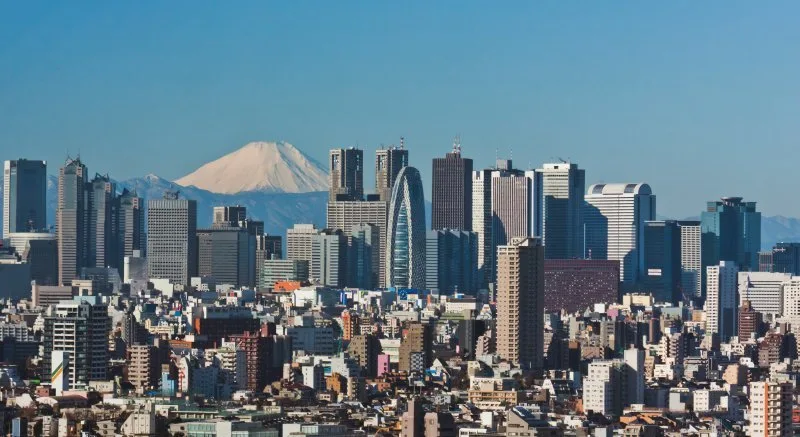
Both procedures are slow and examined closely. Tax and pension payments, employer certificates and proof of residence tax are central documents. Collecting them only at the end costs time, so an orderly file from the first year pays off.
What to check when choosing a school
Check the school's authorisation, the number of teachers, where graduates go, and the location and cost of the dormitory. It also matters whether the school explains the documents for a student visa properly. In the interview, ask about the admission fee, facility charge and materials.

If you use an agency, have refund terms and commission written into the contract. Agree in advance whom to contact if something goes wrong after arrival. A school can help with the visa, but the immigration authorities decide, not the school.
Practical advice
First, decide the goal: language course, vocational school or work. Second, budget generously. Third, set a long-term plan for Japanese, starting with hiragana and katakana and then a test target with a date. Fourth, ask for contractual terms in writing. In the end, preparation matters more than ancestry.
For background, see the visa types, the JLPT guide and the piece on Japanese citizenship.

Community
Comments
0 comments
There are no published comments in this language yet.
Send comment