
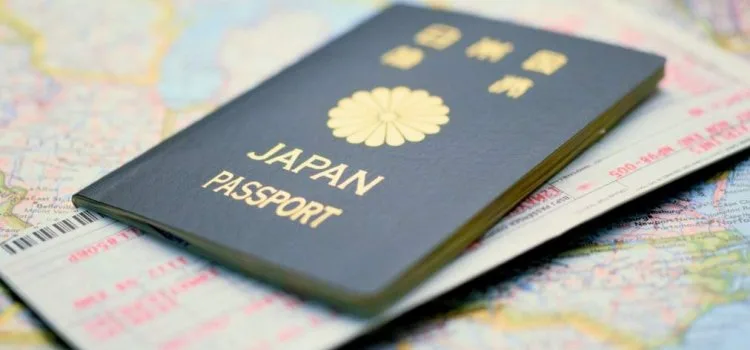
Anyone can apply to change their nationality and obtain Japanese citizenship if they meet the requirements, including people with no Japanese ancestry. Many long-term foreigners in Japan already hold permanent residence and still think Japanese nationality is out of reach; some have reasons to prefer that status over nationality.
Contents 3
What is the difference between a visa and citizenship?
When a person holds permanent residence, they have permission to stay in Japan and most of the rights of daily life. A naturalized citizen, however, has all the rights that Japanese people have and cannot be expelled from the country, because they belong to and are a citizen of that country. Another advantage of being a Japanese citizen is a Japanese passport, currently among the strongest in the world, with visa-free or visa-on-arrival access to around 188 destinations.

A child of a Japanese parent acquires nationality at birth. If that child is born abroad and also receives another nationality, the parents have three months from the date of birth to file a reservation of Japanese nationality with the birth notification, or the Japanese nationality is lost retroactively. Even if a person marries a Japanese national or a child of Brazilians is born in Japan, they do not receive nationality; they receive a residence status. Of course, any of these people can pursue nationality if they meet the requirements we will see below.
The majority of Brazilians living in Japan prefer not to attempt Japanese citizenship because it is a long process and Japan allows, in principle, only one nationality; if you naturalize, you are expected to lose the nationality you currently hold.
Requirements for naturalization in Japan
Below we will see the minimum requirements to obtain Japanese nationality or citizenship:
- Be 18 or older, and of legal age under the law of your home country;
- Have lived in Japan for more than 5 consecutive years with a valid status of residence (3 years, or 3 years of marriage plus 1 year of domicile, if married to a Japanese national);
- Keep that domicile consecutive; long stays abroad can interrupt the count, and the Legal Affairs Bureau judges absences case by case;
- Have no criminal record;
- Prove the ability to support oneself or support the family;
- Show good conduct during the stay in Japan;
- Be up to date with taxes and social insurance;
- Agree to renounce the nationality you currently hold;
- Have Japanese sufficient for daily conversation, reading and writing;
These are the minimum conditions in the Nationality Act, and meeting them does not guarantee permission. From April 2026 the Ministry of Justice generally also looks for about ten years of residence as a sign of integration, with exceptions for people with a close tie to Japan, such as the spouse of a Japanese national. Tax screening typically covers five years of records, and social insurance two years.
If you meet these requirements and wish to obtain Japanese citizenship, you need to contact the Homukyoku (Legal Affairs Bureau) of the Ministry of Justice closest to your home. Remember that bad conduct or criminal history is one of the reasons Japan may reject your citizenship application.

Documents required to apply for Japanese Citizenship
In addition to the basic requirements, there is a huge list of documents you need to present when applying for Japanese citizenship. The exact set varies by nationality, family and job, so confirm it at the bureau before you start:
- Application form for naturalization;
- Form with first-degree relatives' information;
- Signed oath;
- Form with information on trips abroad;
- Personal curriculum form (detailed and in order);
- Form with a description of monthly living expenses and bank accounts;
- Form with payroll details, filled out and signed by the company;
- Form declaring children, filled out as the bureau instructs;
- Handwritten letter describing the reason for the desire for naturalization;
- University graduation certificate (if applicable);
- Certificate of Japanese driver's license registration;
- Certificate of personal data from the date you entered Japan and your spouse;
- Certificate of tax payments (gensen and nozei shomeisho) for you and your spouse;
- Certificate of residence;
- Certificate of bank account;
- Birth certificate of the applicant and all siblings;
- Marriage certificate for you and your parents;
- Death certificate of parents if deceased;
- Nationality certificate;
- Map of the place of residence and work;
- Guarantor;
These are the necessary documents, but we recommend checking everything before starting the process. Each case is unique, so some procedures may differ from those mentioned in the article.
During the process of obtaining Japanese nationality, you will have an interview and they may visit your home to verify everything is in order. The process takes from 8 months to over a year. Among applications that receive a decision, most are approved. Recent Ministry of Justice figures put denials in the single digits as a share of decided cases, in part because many people are screened out at the consultation stage before they file. Once approved, the permission is published in the Official Gazette and you will be called in to complete the remaining steps. And do you think it is worth having Japanese citizenship? I would like to see your opinion and experience in the comments.




Community
Comments
0 comments
There are no published comments in this language yet.
Send comment