
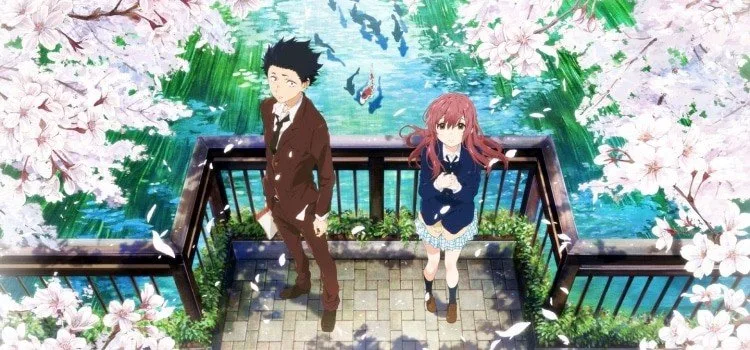
A film about bullying, guilt and forgiveness that works without villains or special effects: Koe no Katachi (A Silent Voice) opened in Japan in 2016 and is now widely regarded as one of the strongest anime films about growing up. If you have not seen it yet, here is what to expect, without spoiling the key moments.
This guide covers the manga, the story, the themes, the production and how the film reached audiences outside Japan.
Contents 9
What the film is
The film premiered in Tokyo on 24 August 2016 and opened in Japanese cinemas on 17 September 2016. Kyoto Animation produced it, Naoko Yamada directed it and Reiko Yoshida wrote the screenplay. It is based on the manga by Yoshitoki Ōima, runs 130 minutes and mixes spoken Japanese with Japanese Sign Language.
The manga behind it
Yoshitoki Ōima first published the story as a one-shot in Kodansha's Bessatsu Shōnen Magazine. She later serialised it in Weekly Shōnen Magazine from 7 August 2013 to 19 November 2014, and Kodansha collected the chapters in seven volumes. The Japanese Federation of the Deaf reviewed and supported the series, an unusual step for an entertainment title dealing with deafness.
The story, without spoilers
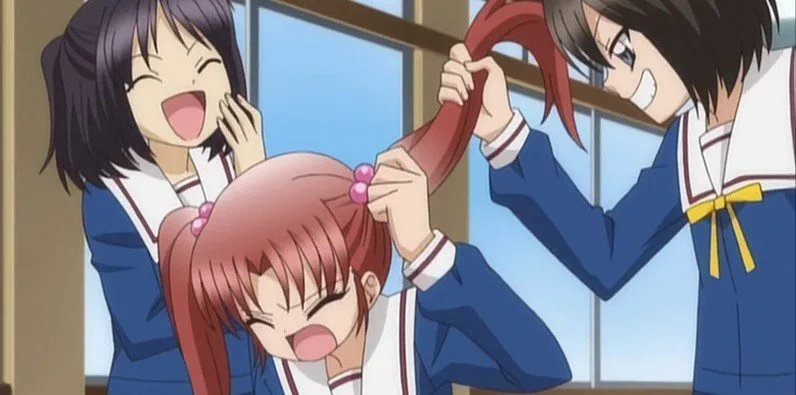
The film centres on two characters. Shōko Nishimiya is a deaf girl who transfers into a sixth-grade class and tries to make friends. Shōya Ishida is the popular boy who does not understand her and turns her into the target of his jokes. The class joins in, the teachers react late, and eventually Shōko leaves the school.
The second half jumps ahead several years. Shōya has left school and lives in isolation. He is haunted by what he did, avoids people and struggles with the idea of facing anyone again. When he meets Shōko, he starts learning sign language and tries to apologise. The film treats that path as slow work, not a quick reconciliation.
Characters and point of view
Shōya is not a hero. He is a boy who became an outsider himself, and the film stays close to him so that his shame is legible. Shōko is not reduced to her disability; she has her own wishes, frustrations and anger. Around them are characters such as her younger sister Yuzuru, who has her own way of coping, and former classmates who remember the past differently.
That point of view is the main difference from many school dramas: the film does not ask who is evil, but how people live with their mistakes and what an apology actually costs.
Themes: bullying, deafness, loneliness
The opening makes clear that the film depicts suicide, depression, social anxiety, disability and bullying directly. Suicidal thoughts are treated as part of the story rather than as a shock effect, which can make the film hard to watch for some viewers.
The story also takes responsibility seriously. Shōya loses friends and trust because of his behaviour, and the film shows how silence and going along with the group cause damage that the community does not simply forget.
Production and music
Kyoto Animation produced the film and Shochiku distributed it. Naoko Yamada, who had directed K-On!, used quiet camera work, close shots of faces and many small details of school life. Futoshi Nishiya designed the characters and Kensuke Ushio composed the score.
One of the film's devices is the black X marks that Shōya sees on people's faces when he avoids contact. They turn his social anxiety into an image that needs no explanation.
Reception and awards
In Japan the film earned about 2.3 billion yen and drew roughly 1.7 million admissions by the end of November 2016. Worldwide it has grossed about 30.8 million US dollars, including releases in China, the United States and the United Kingdom. Makoto Shinkai, whose Your Name opened the same year, called Koe no Katachi a “fantastic piece of work” and a “polished and grand production”.
At the Japan Academy Film Prize the film received the Excellent Animation of the Year award and was nominated for the top prize. It won Best Animated Feature at the Japanese Movie Critics Awards, took Anime of the Year and Best Screenplay at the Tokyo Anime Award Festival, received an Excellence Award at the Japan Media Arts Festival and was nominated at Annecy in 2017.
How it reached audiences outside Japan
The film was released worldwide between February and June 2017. Anime Limited handled the United Kingdom and Ireland on 15 March 2017, Purple Plan released it in Singapore and Malaysia, and Madman Entertainment brought it to Australia and New Zealand in April. In the United States, Eleven Arts screened it at Anime Expo in July 2017 and gave it a limited theatrical release on 20 October 2017.
On television it first aired in Japan on NHK Educational TV in August 2018. Netflix streamed the film from June 2019, and it later joined Crunchyroll. Home video editions in the US, UK and Australia arrived in late 2017.
Who should watch it
Anyone who likes quiet, psychologically precise anime will find one of the genre's best examples here. Viewers looking for fast fantasy stories should expect a slower pace. Anyone who has experienced bullying may want to watch it with company, because the film captures both sides very closely.
Koe no Katachi is not a simple recommendation but a film that stays with you. It shows that reconciliation takes time and that some damage cannot be undone. That is exactly where its strength lies.
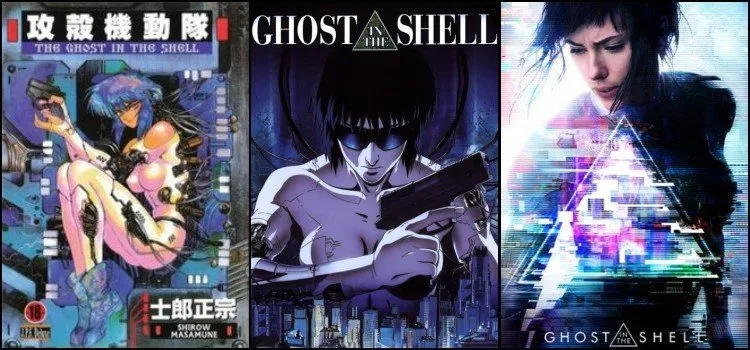
Read more: anime and dramas about bullying and suicide, the highest-grossing Japanese films, real locations in Kimi no na wa, the best Japanese anime films and Ghost in the Shell.




Community
Comments
0 comments
There are no published comments in this language yet.
Send comment