
Arubaito (アルバイト, from the German Arbeit, work) means temporary jobs performed in Japan. This type of service is mainly sought after by students and foreigners who will spend some time in Japan. It is a great way to better understand the culture and still earn a little money to help with living expenses.
It is also good information to add to your resume. Jobs can be throughout the week, but only half of a work shift or in half of the week and last a few months. There are various opportunities to choose from.

Contents 3
How does Arubaito work?
Arubaito is a type of temporary work with a period that can vary from 2 to 6 months. There are openings in large industries, in food sectors, auto parts, electronics. The selection for these positions usually starts in October and is called until the beginning of the following year. For those interested in working as Arubaito, it is necessary to pay attention to the work visa issuance deadline, as the processes can take up to 3 months.
The job openings are advertised on the companies' own websites that need employees. It can be through referrals, selection of people who meet the requirements, among others. Something important to check is if the documents are up to date; if you are going to exercise the profession, you should look at the validation of the diploma, and verify everything regarding the employment contract.
Arubaito is great for those who cannot live in Japan but will stay for a while to study or work. Therefore, it usually occurs during school vacation periods. This practice is common among nikkeis (descendants of Japanese) from Brazil.

Salaries range from ¥900 per hour to ¥1,200 per hour, and jobs can be in various sectors, especially in food and electronics. Arubaito is the only form legally allowed for foreign students.
The work is generally 28 hours per week, which is part-time work. But during vacations, the student can work 40 hours per week, but the school must authorize it. When a person does not speak the language well, they can still work, usually in jobs that require more physical capability. But if the student is fluent, they may even get a job in the field they are studying to work in.
This is a great way to practice the language. The days and hours of work will depend on the company, which can be during weekdays, some nights, or only on weekends. It is up to the student to decide which type of job best fits their lifestyle. Those who start in factories or convenience stores have an average salary of ¥850 per hour to ¥1250 per hour.
In Arubaito, it is important to remember that the work relationship changes a bit, especially regarding benefits. For example, the company where you work as Arubaito will hardly pay for transportation, insurance, or accommodation.
Prerequisites
For Arubaito, it is necessary to be a descendant of Japanese, be between 18 and 30 years old, and be enrolled in some school or college. When thinking about doing this type of service in Japan, it is ideal for the person to already consider applying for the work visa, which can take a while.
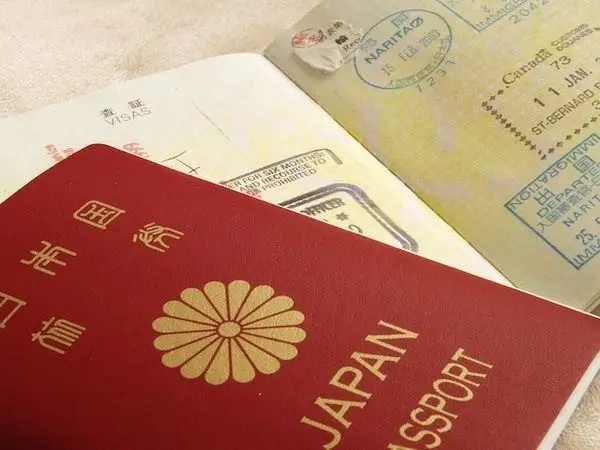
Other required documents include: a criminal background certificate (it is necessary to have a clean record), a valid passport, and the Koseki tohon (family register that serves as a document to recognize Japanese families) to prove descent.
Something important is also to be prepared psychologically because even though it is a temporary job, it requires a lot of effort, and most are services that require strength and agility. In Japan, the workweek has six days, one more than Brazil, so it can be more demanding in that sense.
Laws, contracts, and rights
In Japan, as in many other countries, there are labor laws that must be strictly followed by both employers and employees. Some laws are:
- Labor Standards Act (overrides laws created by the company)
- Labor Union Act
- Equal Opportunities Act between Genders in Employment
- Minimum Wage Act
People who are 15 years old cannot work in Japan in any way, not even as Arubaito. In the case of temporary work, the employee already has a predetermined exit date, but it may happen to renew the contract. However, the maximum duration is 3 years. The salary varies according to the function and time spent on the job.
Some of the rights that Japanese workers have are:
- sick leave (if the illness is work-related, the amount changes);
- work accident insurance (when at work or on the way);
- pregnancy (not putting the pregnant woman at a disadvantage);
- vacation (for full-time and part-time employees);
- work hours (average of 40 weekly, not the case for Arubaito);
- overtime (maximum of 360 hours per year);
- night work (from 10 PM to 5 AM), minors under 18 cannot perform night work;
- unemployment insurance (takes into account several factors and can be paid for 90 to 360 days).

Would you like to work temporarily in Japan?




Community
Comments
0 comments
There are no published comments in this language yet.
Send comment