
You have probably eaten or at least heard of yakisoba (焼きそば). The word literally means “fried noodles,” and that is the plate Japan actually cooks: wheat noodles on a hot griddle, cabbage in the mix, and a brown sauce that smells like a festival stall even when you make it far from Tokyo.
Don’t ask me why Portuguese decided to add an extra S and write yakissoba. In Japan the dish is yakisoba, and the noodles are not the buckwheat kind people picture when they hear soba. Both spellings show up here because that extra S followed the dish into Brazilian Portuguese — and onto a lot of grocery labels outside Japan.
Contents 6
How yakisoba took shape in Japan
Yakisoba is a Japanese dish. The noodle in the pan is Chinese-style wheat noodle — chūkamen (中華麺) — the same family as ramen, not a bowl of buckwheat soba. That wheat noodle became familiar in Japan from the late Meiji years onward, when Chinese restaurants and shina soba stalls spread in cities such as Yokohama and Tokyo.
The stir-fry itself is later. Food historians place sauce yakisoba on Tokyo street stalls around the late Taishō and early Shōwa decades, in the same world as early okonomiyaki and children’s dondonyaki. By the 1930s, Worcestershire-flavored yakisoba was already a local specialty around Asakusa.
What most people remember as “classic” yakisoba is the postwar plate. After 1945 the dish was cheap, fast, and filling. Cooks stretched a small amount of noodle with chopped cabbage, fried or steamed the mix, and finished it with Worcestershire sauce or soy. Cabbage was not a garnish. It was how you fed more people when flour was dear.
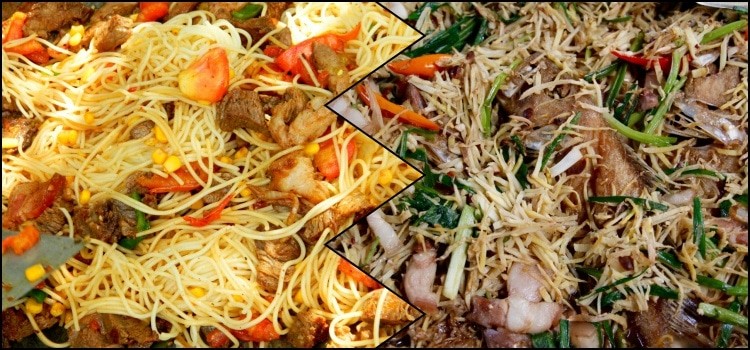
A bottled yakisoba sauce came later, once that Worcestershire-style taste had already stuck. The supermarket bottle is the shortcut. The older method is still a brown sauce and a pan hot enough to catch.
What people get wrong about yakisoba
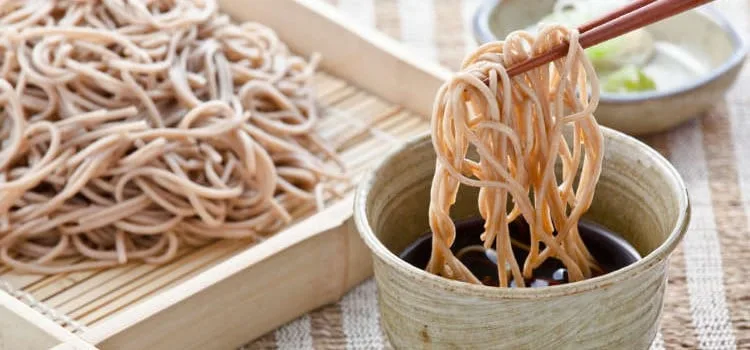
The biggest mix-up sits in the name. Soba can mean buckwheat noodles, but in older Japanese it also just means “noodles.” Yakisoba uses steamed wheat chūkamen. Swap in udon and it becomes yakiudon — same idea, thicker chew, common in Kansai when Chinese-style noodles were harder to find.
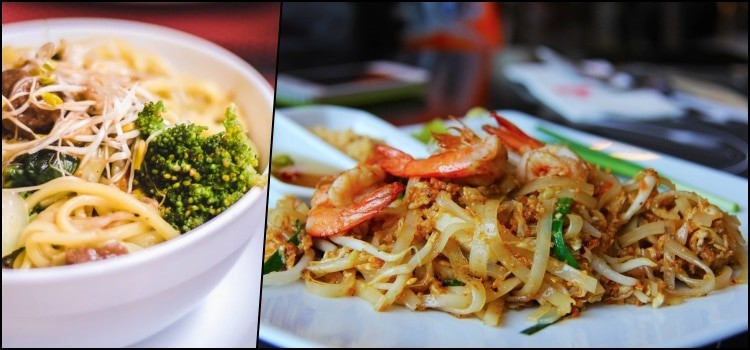
Chinese chow mein and lo mein look similar on a plate. The Japanese version usually isn’t a soy-and-ginger stir-fry. It leans on a Worcestershire-style sauce: tangy, a little sweet, darker than a soy glaze. Cabbage is almost always there. Broccoli and cauliflower show up in Brazilian and supermarket versions; they are not the festival default in Japan.
The usual Japanese pan is pork (often belly), cabbage, onion, carrot, and bean sprouts. Chicken, shrimp, and squid happen. Beef is more of a home experiment than a street-stall habit. At the end come aonori (green seaweed powder), beni shōga (red pickled ginger), sometimes katsuobushi, and a streak of Japanese mayonnaise.
Then there is yakisoba-pan: the same noodles stuffed into a soft hot-dog bun, the carb-on-carb you find in convenience stores, school canteens, and old bakeries. It may sound strange. I had the chance to try it and found that mix of dough with dough honestly good — closer to a festival snack than to a sandwich you overthink. If you want the wider bun culture around it, we already wrote about Japanese sandwiches.
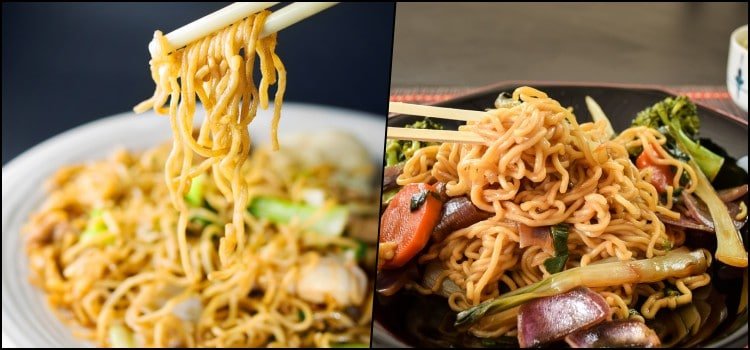
Regions treat yakisoba as local pride. Fujinomiya in Shizuoka is known for chewy noodles and a sardine-dashi note; Yokote in Akita piles on a fried egg. You don’t need a map of every local style to cook a decent pan. You need the sauce family, cabbage, and heat.
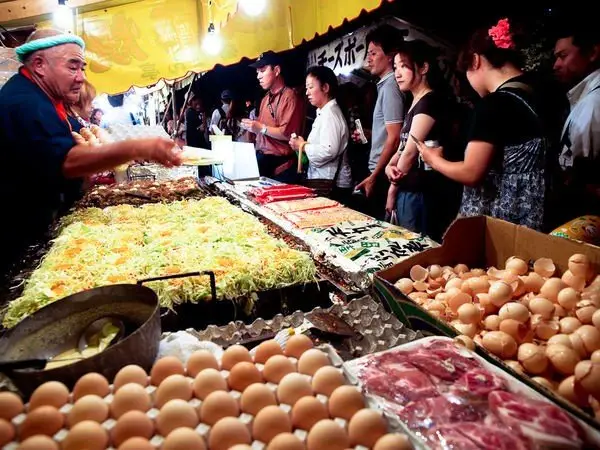
At yatai and school festivals, yakisoba is the stall that never sleeps: a steel plate, a pile of cabbage, and a bottle of brown sauce within reach.
How to cook yakisoba at home
This is a home version of the Japanese street plate, not the broccoli-heavy takeout many of us grew up eating. Recipes move around; the skeleton does not: loosen steamed noodles, fry pork and vegetables hot, then coat with sauce at the end so the pan doesn’t stew.
Ingredients (2–3 servings)
- 400 g steamed yakisoba noodles (chūkamen; the vacuum packs from a Japanese grocery, not instant soup ramen if you can help it);
- 1 tablespoon oil;
- 150–200 g thinly sliced pork belly or pork shoulder;
- ¼ small cabbage, chopped;
- 1 onion, sliced;
- 1 carrot, cut into thin strips;
- a handful of bean sprouts (optional);
- 4–5 tablespoons yakisoba sauce (bottle, or the mix below);
- black pepper;
- aonori, beni shōga, and mayonnaise to finish.
Method
- 1. If the noodles are packed in a tight block, warm them in a little oil and loosen gently. Don’t boil them like Italian pasta unless the package says so — steamed chūkamen is already cooked.
- 2. In a wide pan or on a griddle, fry the pork until the fat renders and the edges brown. Season with pepper.
- 3. Add onion and carrot, then cabbage and sprouts. You want a little char, not a steamed pile.
- 4. Return the noodles, pour the sauce around the pan, and toss until every strand is coated. Taste. Add a splash more sauce if the cabbage watered things down.
- 5. Plate hot. Finish with aonori and pickled ginger. Eat before it sits and softens.
If you only find dried Chinese wheat noodles, cook them short of soft, drain well, and fry on high heat so leftover water doesn’t turn the sauce into soup.
A simple yakisoba sauce
Bottled Japanese yakisoba sauce is Worcestershire’s cousin: fruitier and thicker than English Worcestershire alone. If you don’t have the bottle, this pantry mix gets you into the same neighborhood.
- 3 tablespoons Worcestershire sauce;
- 1 tablespoon oyster sauce;
- 1 tablespoon ketchup;
- 1 tablespoon soy sauce;
- 1 teaspoon sugar;
Stir until the sugar dissolves. Taste before it hits the pan — some Worcestershire brands run sour, some ketchup runs sweet. This is not the old soy-and-starch gravy that shows up in many Brazilian home recipes; that sauce has its own charm, but it isn’t what the stall is pouring in Japan.
If you grew up with the extra S on the label, keep cooking the version you love. Just know which plate you meant to copy: the festival one is cabbage, pork, wheat noodles, and that brown sauce that clings.

Community
Comments
0 comments
There are no published comments in this language yet.
Send comment