
Brownies are a dense chocolate cake cut into squares, and the Japanese version often uses good-quality dark chocolate and a small amount of salt to balance the sweetness. This recipe keeps the classic texture and adapts it for the kind of chocolate sold in Japanese supermarkets.
The article explains what makes a brownie different from a cake, which ingredients matter, how to prepare the batter step by step, how to vary the flavour with matcha or nuts, and how to store the result. It also covers the cultural context: brownies are a popular homemade gift for Valentine's Day in Japan.

Contents 9
What is a chocolate brownie?
A brownie is a flat, dense chocolate cake, usually baked in a rectangular pan and cut into squares or bars. In Japanese it is called チョコレートブラウニー (chokorēto buraunī). The texture ranges from fudgy and soft to closer to a cookie, depending on the amount of flour and the baking time.
The dessert is said to have appeared publicly at the Chicago World's Columbian Exposition in 1893, when the Palmer House Hotel served a small chocolate dessert for visitors. Today it is common in Japan as a homemade treat and as a gift.
Ingredients for Japanese-style brownies
The base is simple: dark chocolate, butter, sugar, eggs, cocoa powder and flour. The Japanese touch is a little salt and, sometimes, a teaspoon of soy sauce or a spoon of matcha, which deepens the chocolate flavour without making the result salty.
For a 20 x 30 cm pan you need about 200 g of chocolate, 200 g of unsalted butter, 200 g of sugar, 4 eggs, 80 g of cocoa powder, 150 g of sifted flour and 5 g of salt. Nuts or chocolate chips are optional.
Why the chocolate matters
Japanese chocolate brands such as Meiji, Lotte and Morinaga sell both eating chocolate and baking chocolate. For brownies, a bar with 50 to 70 percent cocoa works well: it melts evenly and gives a stronger flavour than sweet chocolate.
If you only have milk chocolate, reduce the sugar by about 30 g, because the chocolate already contains more sugar. Dark chocolate with a high cocoa percentage can make the brownie dry, so keep the baking time short.
Step by step
Preheat the oven to 180 °C. Grease a 20 x 30 cm pan with butter and line it with parchment paper, leaving the paper hanging over the sides so the brownie is easy to lift out.
Melt the chocolate with the butter in a double boiler or in the microwave in short bursts, stirring between each interval. Remove from the heat while a few pieces are still unmelted and stir until smooth.
Add the salt and sugar to the warm chocolate and mix well. Add the eggs one at a time, beating after each one, then fold in the cocoa powder and the sifted flour until just combined. Stop mixing as soon as no dry flour is visible.
Pour the batter into the pan, level the surface and bake for about 25 minutes. The brownie is ready when a toothpick inserted in the centre comes out with a few moist crumbs, not with liquid batter.
Let it cool completely in the pan before cutting. A brownie continues to set as it cools, so cutting too early gives ragged edges. Cut into squares with a warm knife.
Variations
For a matcha brownie, replace 20 g of the flour with 20 g of matcha powder and reduce the sugar slightly. The green colour contrasts with the dark chocolate and is popular in Japanese cafés.
Other common additions are walnuts, pecans, chocolate chips, dried fruit or a layer of cream cheese. In Japan, brownies are also sold as seasonal gifts with white chocolate decorations for Valentine's Day.
Brownies and Japanese Valentine's Day
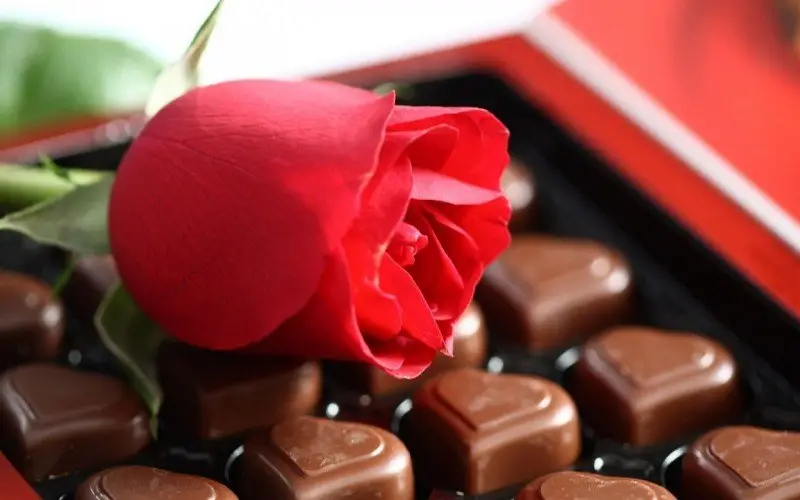
In Japan, women traditionally give chocolate to men on Valentine's Day. The gift given to colleagues and friends is called giri choco, while honmei choco is reserved for a romantic partner. Homemade brownies fit the custom because they can be cut small and wrapped individually.
This is also why the recipe is popular in Japanese cooking blogs: it does not need special decoration, keeps well for a few days and can be adapted to the taste of the person receiving it.
Common mistakes
The most common problem is overbaking. A brownie baked until a toothpick comes out clean becomes dry and crumbly, more like a cake. Take it out while the centre still looks slightly underdone.
Another mistake is adding too much flour or mixing too long. Both develop gluten and make the texture tough. Weigh the ingredients instead of using cups, and fold gently at the end.
How to store and serve
Keep the brownies in an airtight container at room temperature for two to three days, or in the refrigerator for about a week. Warm them for a few seconds in the microwave before serving to bring back the soft texture.
Serve with vanilla ice cream, whipped cream or a cup of coffee. In Japan, a small square is often packed as a gift together with a handwritten note, especially in February.
Conclusion
Japanese chocolate brownies are a simple dessert with a short ingredient list and a texture that depends on technique more than on equipment. Good chocolate, a little salt and a short baking time are enough to get a fudgy result.
The recipe is also an easy way to try a Japanese-style chocolate dessert at home. Read more: strawberry cake recipe, purin recipe, Valentine's chocolate, Japanese desserts and hot chocolate recipe.

Community
Comments
0 comments
There are no published comments in this language yet.
Send comment