
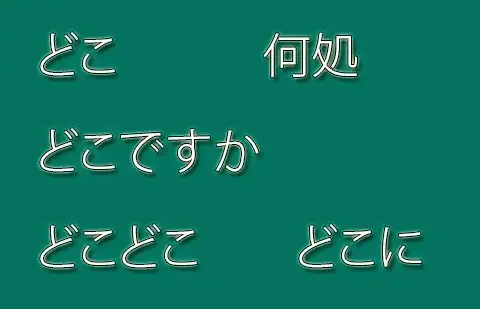
どこ (doko) means where in Japanese, and it is one of the most useful question words for daily conversation. You can use it to ask where a place is, where someone went, where you should go, or even which part of something a speaker means. If you are still getting used to sentence order, it also helps to review our guides on how to start studying Japanese and Japanese SOV sentence structure.
The most common beginner pattern is noun + は + どこですか. In plain English, that means Where is...? You name the thing first, mark it as the topic with は, and finish with どこですか for a polite question.
Contents 5
How to use どこですか
When you want to ask where something is, the safest and most natural structure is simple:
トイレはどこですか。
Toire wa doko desu ka.
Where is the bathroom?
This same pattern works for many everyday situations. Here are a few natural examples:
| English | Japanese | Romaji |
|---|---|---|
| Where is the station? | 駅はどこですか。 | Eki wa doko desu ka. |
| Where is the hotel? | ホテルはどこですか。 | Hoteru wa doko desu ka. |
| Where is dad? | お父さんはどこですか。 | Otousan wa doko desu ka. |
| Where are you now? | 今どこにいますか。 | Ima doko ni imasu ka. |
Notice that Japanese does not need a separate word for is in the same way English does. The full phrase sounds natural because ですか makes it polite and turns it into a question.
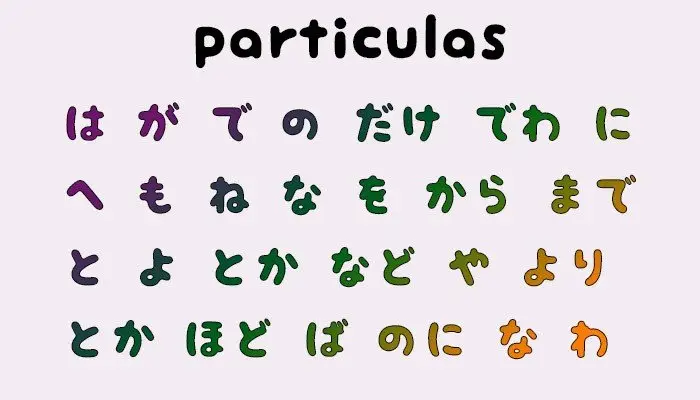
どこに, どこで and どこへ
The word どこ stays the same, but the particle after it changes the nuance. This is where many learners get confused.
- どこに asks about a destination or location of existence.
- どこで asks where an action takes place.
- どこへ asks where someone is going, with emphasis on direction.
Compare these examples:
| Pattern | Japanese | Meaning |
|---|---|---|
| どこに | あなたはどこに住んでいますか。 | Where do you live? |
| どこで | どこで昼ご飯を買いましたか。 | Where did you buy lunch? |
| どこへ | 明日どこへ行きますか。 | Where will you go tomorrow? |
As a quick rule, use に with verbs like go, live, be located, and use で when the place is the setting of an action such as eating, buying, studying or working.
Useful example sentences with どこ
Once you know the basic pattern, どこ becomes very flexible. These are natural examples you will hear in travel, class and daily conversation:
| English | Japanese | Romaji |
|---|---|---|
| Excuse me, where is the hotel? | すみません、ホテルはどこですか。 | Sumimasen, hoteru wa doko desu ka. |
| Where did you go yesterday? | 昨日どこに行きましたか。 | Kinou doko ni ikimashita ka. |
| Where do you work? | どこで働いていますか。 | Doko de hataraite imasu ka. |
| Which part of Japan do you like? | 日本のどこが好きですか。 | Nihon no doko ga suki desu ka. |
| Where are you from? | どこの国から来ましたか。 | Doko no kuni kara kimashita ka. |
| Where should I get off? | どこで降りればいいですか。 | Doko de orireba ii desu ka. |

Related words and expressions
Japanese builds many useful expressions from どこ. A few common ones are worth learning early:
- どこか - somewhere
- どこかへ - to somewhere
- どこかに - in some place
- どこでも - anywhere
- どこにも - nowhere or not anywhere, usually with a negative verb
- どこの - from where or which place, used before a noun
- 何処 - an uncommon kanji form of どこ
Another helpful nuance is どこが, which can mean what part depending on context. For example, 日本語のどこが好きですか does not ask for a location. It asks which aspect of Japanese someone likes.
Common mistakes with どこ
- Using どこで when you really need どこに for destination or existence.
- Translating too literally and forgetting that Japanese word order is more flexible than English.
- Assuming どこ only means a physical place, when it can also mean which part in context.
- Forgetting that polite speech normally ends in ですか or a polite verb form.
If you focus on the particle that follows どこ, the whole expression becomes much easier to understand. Master that small detail and you will be able to ask clearer questions in Japanese from the very beginning.


Community
Comments
0 comments
There are no published comments in this language yet.
Send comment