
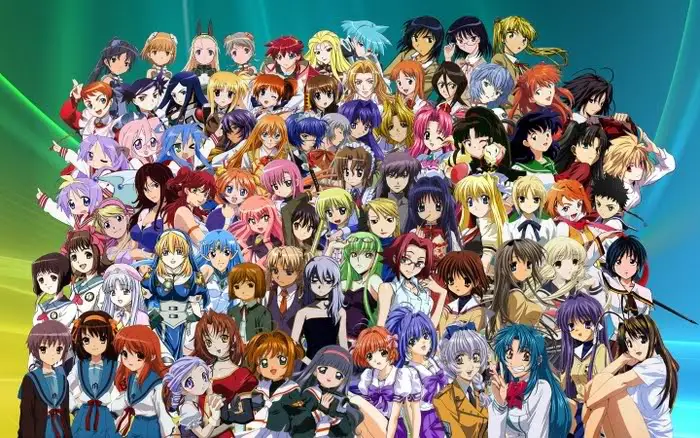
Anime is not one genre, one age group, or one kind of story. It is a medium that can hold a small school comedy, a historical drama, a sports rivalry, a ghost story, or a film built around a single family. That range is the best reason to try it: there is a good chance that the right series feels closer to your usual taste than to the stereotype you have heard.
If animation has never been your thing, do not begin with a famous title only because everyone mentions it. Begin with a mood you already enjoy. A viewer who likes mysteries needs a different first anime from someone looking for romance, comedy, or a weekend film. The format is only the container; the story still has to meet you halfway.

Contents 9
Why anime appeals to so many viewers
A wide choice of genres and formats
Anime includes television series, short series, films, original stories, and adaptations of manga, novels, and games. That does not make every title inventive, but it gives creators room for premises that might be difficult to finance in live action. A cooking club can become a competitive story; a volleyball team can carry a season; a quiet fantasy can spend time on its landscapes instead of rushing from battle to battle.
For a first pick, narrow the field instead of browsing blindly. Look for a completed one-season series if you want a manageable commitment, a film if you want one evening, or a long-running show only when you already enjoy its world. Genre labels and age ratings are more useful than the assumption that all animation is for children.
Visual storytelling can do things live action cannot
Animation can turn a change in mood into color, exaggerate a joke for a second, or show an impossible place without asking the viewer to accept a limited special-effects budget. At its best, the style supports the scene rather than distracting from it. Some titles use stillness and background detail; others lean into energetic movement, sharp editing, or deliberately odd designs.
This does not mean every anime looks alike. Studio choices, directors, budgets, and release schedules make a visible difference. Sampling an episode is often enough to learn whether a particular visual style works for you.
Music and voice acting shape the atmosphere
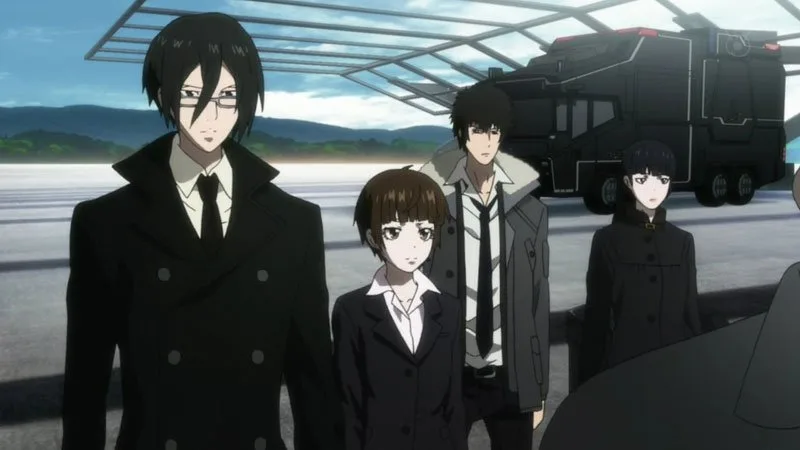
Openings, endings, and original scores are part of the identity of many shows. A theme can establish tension before a scene begins, while a quiet piano passage can leave room for dialogue to land. If that side of anime interests you, explore the work of Hiroyuki Sawano and other anime composers after you find a series you like.
Subtitles and dubs are a matter of comfort, not a test of fandom. Try the version that lets you follow the story. When a dub is available, it can make an unfamiliar genre easier to sample; when you prefer the original Japanese track, subtitles keep the dialogue accessible.
Anime can open a door to Japan, with context
School festivals, convenience stores, local trains, seasonal food, shrines, and honorifics often appear in anime. They can spark curiosity about everyday Japanese life and older traditions. They are not a documentary record of the country, though. A fantasy comedy may distort customs for a joke, and even a realistic series shows the world through one writer's point of view.
Use that curiosity well: look up an unfamiliar custom, read about a place, or compare how a theme appears in different works. Anime can be a starting point for cultural interest, not a substitute for learning from history, people, and reliable references.
Can watching anime teach you Japanese?
It can help you notice repeated greetings, everyday phrases, and differences in tone. It cannot replace structured study. Characters may speak in dialect, archaic language, exaggerated slang, or a style designed for comedy. If Japanese learning is your goal, pair what you hear with a course, reading practice, and material made for learners. Anime then becomes useful listening practice rather than a shortcut that promises fluency.

Reasons anime may not suit you
Being animated does not make a series automatically lighter, kinder, or easier to watch. Some titles contain violence, grief, sexual material, unsettling humor, or long stretches of fan service. Others rely on recurring genre conventions that can feel repetitive if you are not in the mood for them.
That is a reason to choose carefully, not a reason to dismiss an entire medium. Check the rating, synopsis, and content notes before starting. If fan service is not for you, it helps to know what the term means and why it appears in some series: this guide to fan service in anime and manga gives the context.
How to start watching anime without getting lost
- Choose a familiar mood. Start with mystery, romance, sport, comedy, science fiction, or drama rather than a random chart-topper.
- Pick a manageable length. A film or a completed short series makes a better trial than hundreds of episodes.
- Check the rating and premise. This avoids surprises with violence, horror, or sexual content.
- Use the language option that feels natural. Dubbed and subtitled viewing are both valid ways to meet a story.
- Give yourself permission to stop. One show is not a verdict on anime. Try another genre or director before deciding it is not for you.
Once you know what you enjoy, the abundance becomes a benefit rather than a barrier. You may move from one series to another for its director, studio, composer, theme, or simply the feeling of spending more time with characters you have come to care about.
So, should you watch anime?
Try it if you are curious about a story that animation can tell well. The strongest case for anime is not that every title is better than live action; it is that the medium offers a different shelf of stories, styles, and emotional rhythms. Find one that matches your taste, watch a few episodes or one film, and let the work—not the label—make the case.
Related reading:





Community
Comments
0 comments
There are no published comments in this language yet.
Send comment