
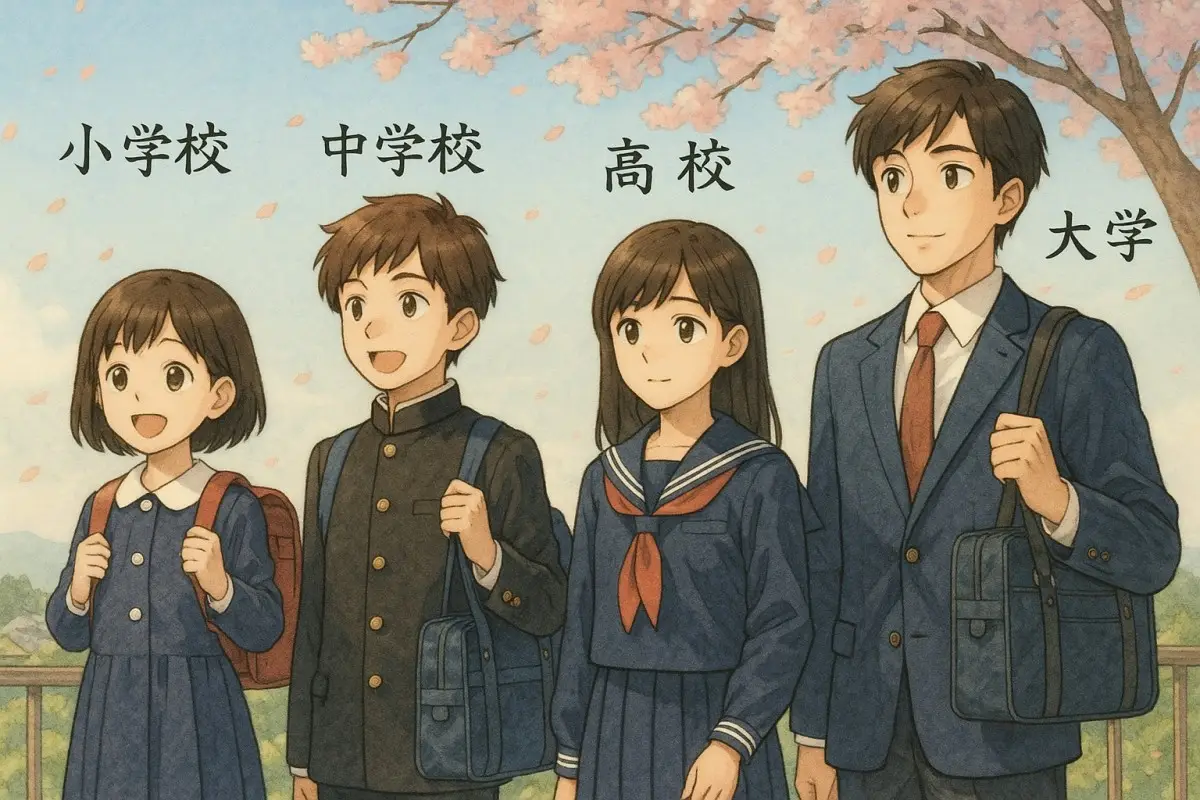
Japan, through its exemplary educational system, has managed to achieve a balance between academic training and human development, becoming a global reference. Its approach goes beyond teaching traditional subjects and prioritizes the formation of conscious citizens committed to society. But what makes this model so effective, and what can we learn from it? Below, we take a closer look at the pillars of Japanese education that draw international attention.
Contents 5
Academic and human development in balance
In Japan, behavioural education is a priority. In the early school years, the focus is not on exams or tests, but on teaching fundamental values such as respect, honesty, generosity, and responsibility. Until around the age of ten, students primarily learn how to live together in society, developing self-control and cooperation.
This early investment forms the basis for the ethical, conscious behaviour that accompanies students throughout their lives. Alongside the preparation of competent future professionals, it produces citizens who understand their role in building a fairer and more harmonious society. Japan's stable economic development and its strong standing on the international stage can be read, in this light, as the result of professional qualification working hand in hand with a shared sense of responsibility.
Responsibility and society from the start
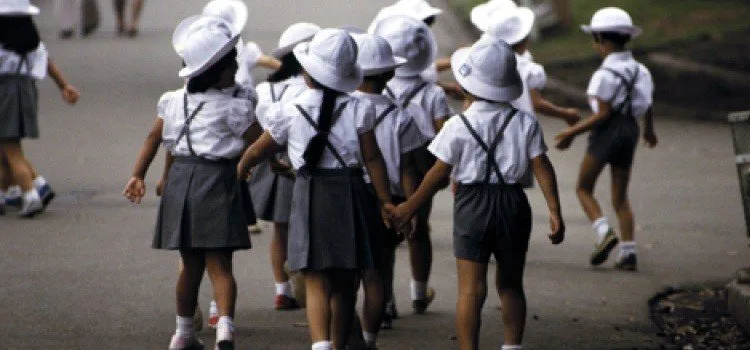
From the age of six, children in Japan already walk to school on their own to develop independence and maturity. This early mark of trust shapes their self-confidence and, at the same time, strengthens the sense of community in their neighbourhoods.
Cleaning schools: responsibility in everyday life
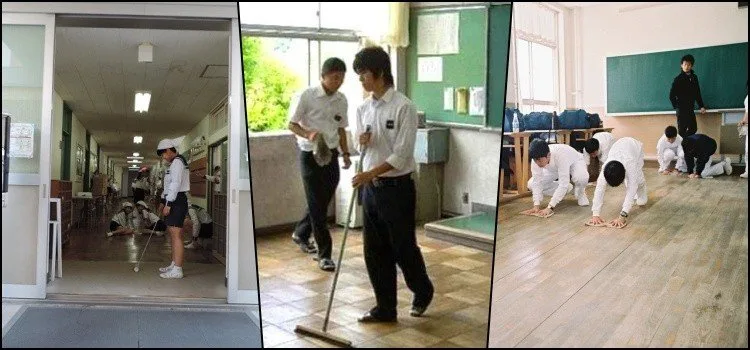
A distinctive feature of Japanese schools is the practice of ōsōji (big cleaning). At the end of the school day, students organise themselves to clean classrooms, bathrooms, hallways, and other shared spaces. This is far more than a practical task: it is a daily exercise in responsibility and teamwork.
The experience teaches students to take care of the space they share, reduces waste, and fosters respect for the environment. It also builds habits that travel home with them, making them less dependent on family service and more aware of the importance of the collective. For a closer look at the background of this practice, see the article on how students clean schools in Japan.
Shodō – calligraphy as an educational tool
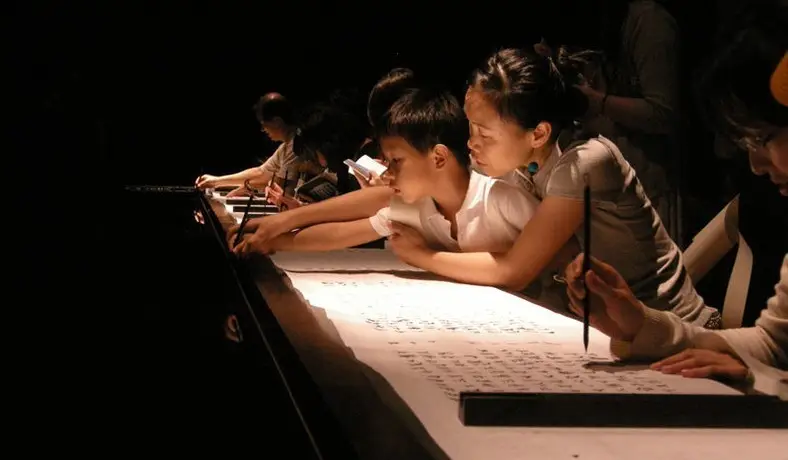
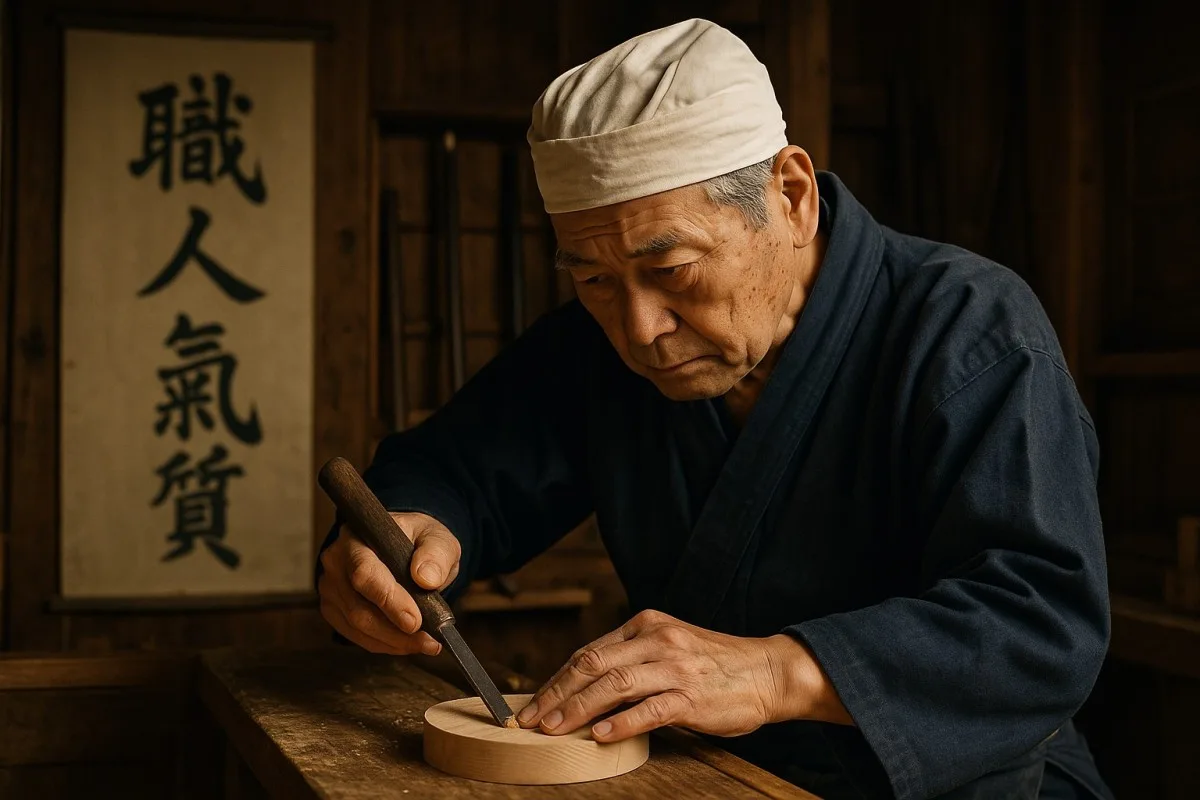
Japan places strong value on its cultural roots, and this is reflected in the school curriculum. From an early age, students learn traditional practices such as Shodō (Japanese calligraphy) and tanka poetry, art forms that bridge past and present. With bamboo brushes and ink, they explore the history and aesthetics of their culture and come to understand why it is worth preserving the traditions that have shaped their identity. A more in-depth look at this art form is offered by the piece on Shodō – the art of Japanese calligraphy.
What can we learn from the Japanese model?
The Japanese educational system shows that education does not have to be limited to academic learning. The formation of responsible citizens, the appreciation of collective work, and the preservation of culture are pillars that can support a more balanced and harmonious society.
If other countries adopt some of these elements — early independence, shared responsibility in the school day, cultural anchoring — schools could become spaces that promote not only knowledge but also citizenship and mutual respect. The point is not to copy a ready-made model, but to ask which of these lessons fit a given context and could take root there over time.
For more on the cultural background of Japan, take a look at the piece on Omotenashi and Japanese education, the article on the problems of the Japanese educational system, or the closer look at Japanese culture in calligraphy.




Community
Comments
0 comments
There are no published comments in this language yet.
Send comment