
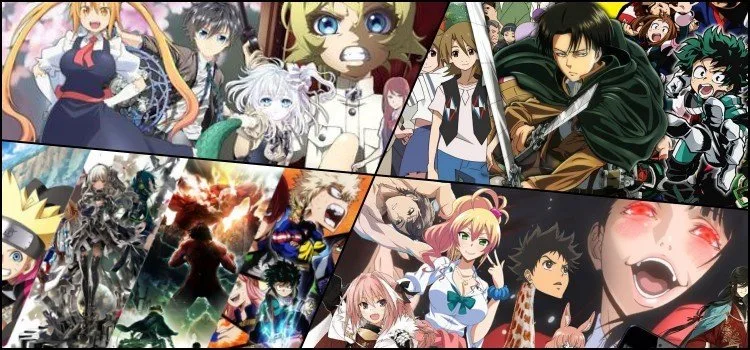
Every few months a TV report treats Japanese animation as the hidden cause of a tragedy. The same broadcast rarely asks whether the child was watching a school comedy or a title written for adults.
Games get dragged into that pile too. The word they keep using is “anime,” as if it were one cartoon with one message. It is a whole medium — and that is usually where the panic goes wrong.
Contents 8
Does Anime Influence Children?
Not only anime. Games, series, movies, friends, music, and almost anything else can influence a child or an adult, for better or worse.
We are shaped by what we hear and see; just look at people living in different places. Some pick up a habit of using rough words. Others keep a more formal vocabulary.
In Brazil, we have a huge vocabulary of swear words and slang with sexual connotations, used very frequently, and that has become more common in daily life and in the media.
On the other side of the world, Japanese speakers use honorifics (san, chan, kun) almost every time they mention someone’s name, and they rarely reach for swear words — the ones they have are often milder than people expect.
Some anime dubbed or subtitled in Portuguese replace a light Japanese line with a heavy swear the original never said. English localizations do a milder version of the same trick when they punch up a joke. Those changes influence the viewer more than the Japanese script did.
So yes, anime can influence people. It carries a lot of culture, and that can be a very good thing.
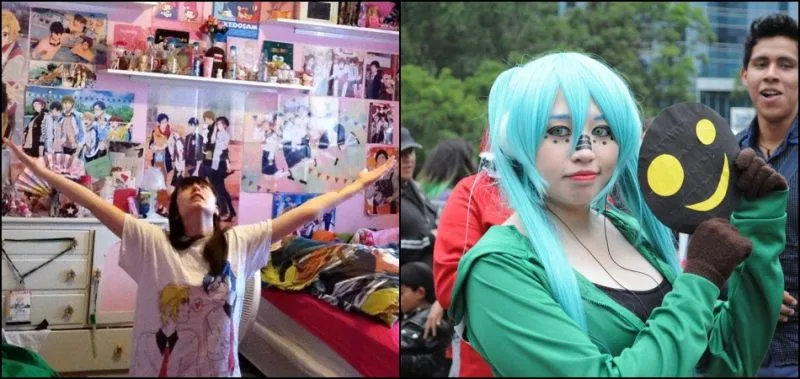
Understand the Influence of Anime
Once you accept that almost everything influences people, stop blaming the whole medium. Just like movies and series, anime has types, tones, and audiences that do not behave the same way.
Hardly an anime will have more violence and immorality than a random movie or series on a big streaming catalog. Unless your child is watching gore titles or hentai (adult work).
Famous series often criticized on television, such as Death Note, sit in a dark setting with psychological tension. They talk about the weight of a choice. There is no need to fear a child writing your name in a death notebook, or taking every superstition as a manual.
Here is the part that actually matters: anime has ratings and intended ages, the same way movies and series do. If you believe a certain title is not right for your child, keep it off their screen. Blame that title, not “anime,” and be honest about what Western shows already put in front of the same kid.
Rarely will an anime show a couple having sex in the first episodes the way some current series and soap operas do. Plenty of series end without even a kiss. Even the ones packed with fanservice usually stop short of adult scenes.
Anime Can Offer a Positive Influence
The Japanese have immense creativity with animation; they make work about almost any subject. There are series about people becoming astronauts, sports anime, and stories about arts, music, and everyday culture.
In the West, we still carry a macho idea that young men need to like action, blood, and violence. Anime has turned plenty of grown men into lovers of romances and shoujo stories.
Japan does not need to pour violence into every work just to hold a male audience. Many of the best-known titles live in schools and ordinary rooms, and they spend more time on effort, friendship, and embarrassment than on a body count.
If you want a child who does not drift toward the worst corners of a school hallway, a well-chosen series is a better bet than a blanket ban. They can pick up habits Japan actually values: courtesy, effort, and taking school seriously.
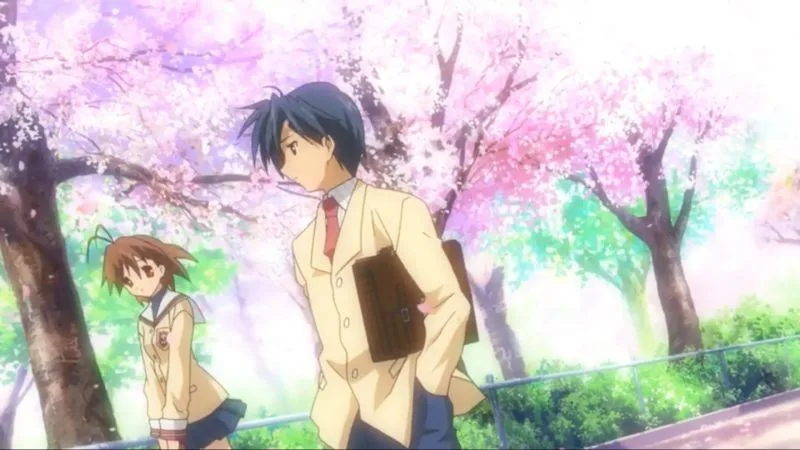
Prohibiting a child from every animated Japanese story deprives them of a good influence. The better move is to be selective and watch with them. Japanese animation is made for every age — which also means some of it is not made for children at all.
Many people who have nothing against anime still arrive with a tired idea that it is boring or childish. Today my mother, my wife, and many of my friends have surrendered to these stories.
Hardly anyone who picks well and watches a series through will walk away cold. Many fall in love with the culture and even want to learn Japanese.
Imagine your child starts watching, becomes more careful with people, helps around the house, starts a language, and takes study more seriously. Wouldn’t that make you happy? That is the good version of this influence — not a spell, just a set of stories that reward effort.
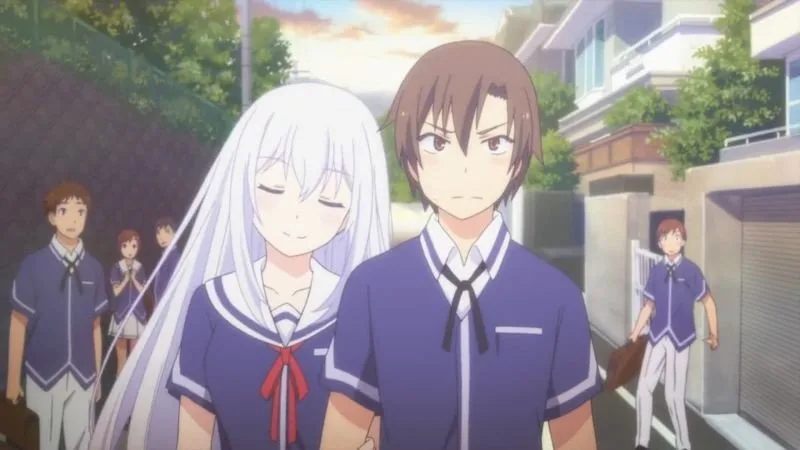
Is Anime Dangerous for Children?
Talking about the influence of anime already answers half of this. Some children slip deeper into a story than others, and a rare tragedy still makes the news.
That is not the fault of the drawings. It is usually parents who do not understand how susceptible their child is, or what phase they are walking through.
A psychoanalyst friend of mine recently told me that parents bring their children in saying things like: my child is very rebellious, my child is immature, my child cannot sit still.
This friend said that is normal, and that most children need to go through some of that before adulthood. Parents need to deal with it better than a headline does.
Would you rather your child dress up and play in an imaginary world, or fall in with the worst company at school? The drawings are not the danger by themselves. The gap is parents who do not know the title or the child.
Age ratings exist for a reason. In the West you will see labels such as TV-Y, TV-PG, TV-14, and TV-MA. Japanese production also aims at different rooms: shows made for children, adventure series for teens, and work that was never meant to sit next to a cartoon for little kids. Preview an episode. Use the parental controls on the app you already pay for. That is more useful than a moral panic about “Japanese cartoons.”
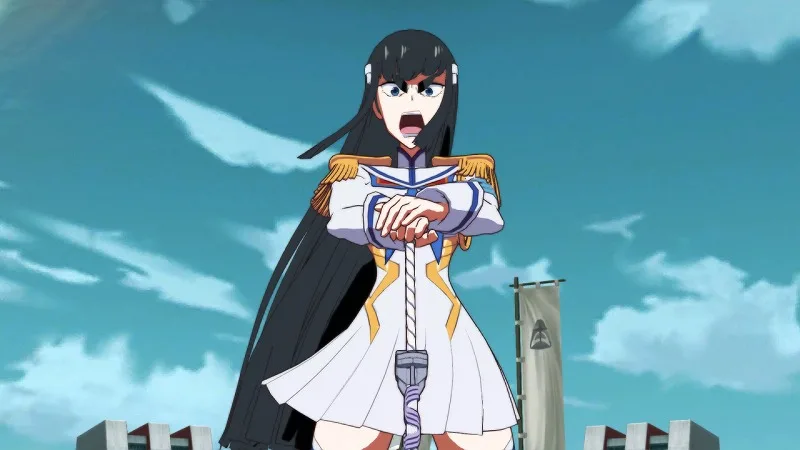
Is Anime a Thing of the Devil?
In Japanese culture, Christianity is almost a footnote. Japanese religions speak of many gods and many kinds of spirits, and those figures show up in stories as cultural references or as characters with a job in the plot.
If you are a religious person who firmly believes it is wrong to consume any story involving magic or the supernatural, then yes, you will need to be selective. That rule would also hit a large share of Disney and Marvel.
Most anime has nothing to do with creatures from Japanese folklore. The bulk of it is school life, sports, science fiction, and ordinary people trying not to embarrass themselves.
In recent years a wave of isekai stories about life in another world has been easy to find. Those titles do often involve magical powers or something the English subtitle calls a demon.
It is worth saying plainly: a yōkai, an oni, or a spirit from Japanese folklore is not the demon of the Bible. English subtitles often flatten all of that into one scary word. Calcifer in Howl’s Moving Castle is called a fire demon and behaves like a cheeky fireplace spirit. That translation problem scares families more than the story does.
I am a Jehovah’s Witness, in a religion that takes the Bible seriously, and I still watch anime. Compared with a lot of current series and movies, it is one of the few things many of us consider appropriate.
If you are a religious parent still uneasy, watch with them and be selective. There is a longer take on whether watching anime is a sin if that is the exact fear you carry. Look for a story that is interesting for both of you.
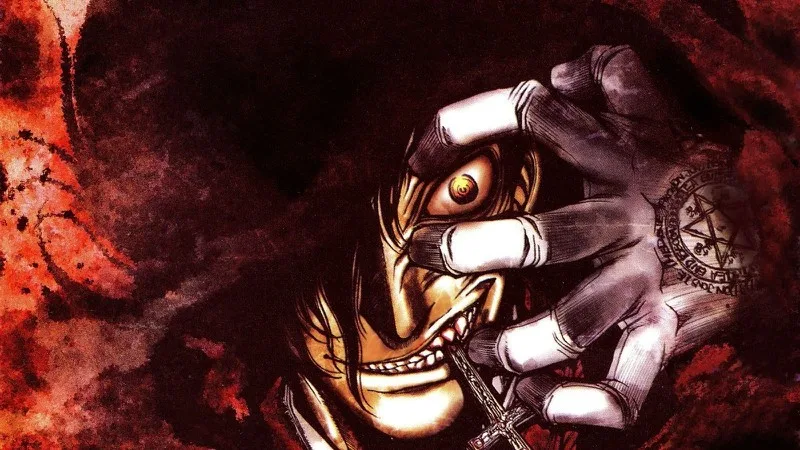
Anime to Watch with Your Child
Prejudice shrinks faster when you sit through a good story together. Look for a title you would also enjoy, not a random “cartoon” on the homepage.
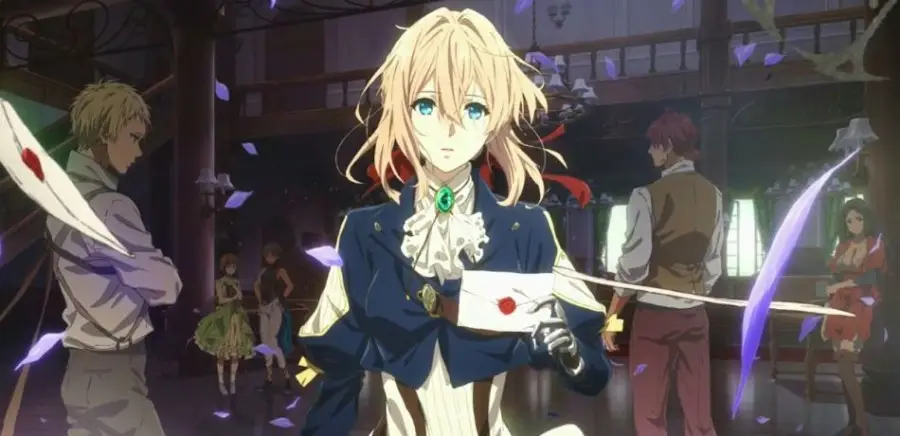
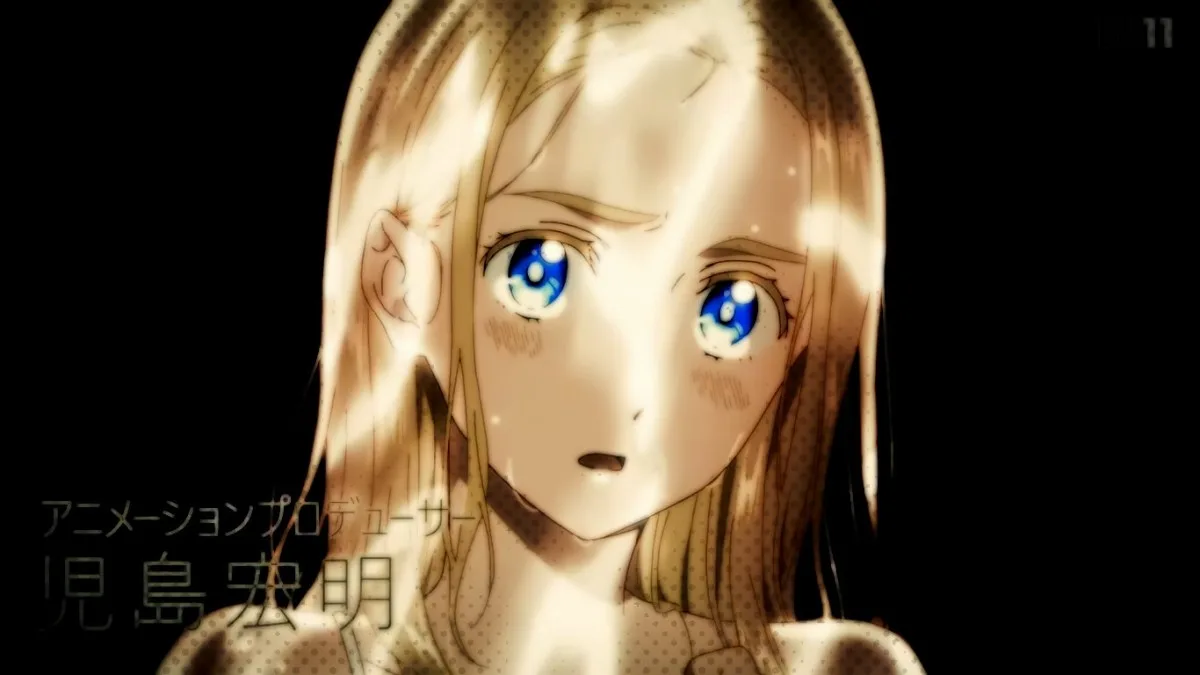
Violet Evergarden
Violet was used as a weapon of war and, after the fighting ends, learns to write letters for other people. It is tender and heavy — grief, memory, a girl learning what “I love you” means. Better for older kids and teens than for a small child looking for something cute.
For younger children, start with work actually made for them, not with whatever happens to be drawn. Studio Ghibli films are the usual family door. The Japanese industry has plenty of children’s series; the mistake is treating every animated face as the same age rating.
My Experience with Anime
Anime has been in my life since I was 13. Perhaps a little earlier, with animations I watched dubbed on TV without knowing they were Japanese.
With anime I discovered a world that looked like a dream: people who do things the careful way, who respect each other, a public life that feels quieter and less violent than the one I grew up around.
The Japanese come closest to my lifestyle as a religious person. Even without Christian principles on paper, many of them live more carefully than a lot of people who claim those principles.
They are people I would like to have around, so I have always wanted to live in Japan just by seeing their attitudes in these stories. That shaped who I am today, and it defined my work as the author of this site.
At 21 I managed to travel to Japan and had one of the best experiences of my life, confirming a lot of what I had dreamed in anime as something you can actually walk through.
Of course not everything is a dream. Once again we return to the same point: there is no need to generalize from someone else’s worst story. Live your own.
Like any people, the Japanese and their stories have problems. That should not erase the good we can take from them.
How much better the world would be if more people borrowed the courtesy, hospitality, humility, and respect that Japan still teaches in ordinary life. They have flaws, like anyone. I would still feel safer in a Brazil full of that kind of care than in the loud version of freedom we sometimes celebrate.
I am not saying we cannot learn from Brazilians. Our country teaches good things too, just as Japan can teach bad ones. It is sad to say, but today most people cling to the negative influence of whatever they consume.
I firmly believe we are bombarded with hate, anger, and disgust when we live inside certain corners of the internet. Navigate YouTube, Twitter, comment sections, anywhere — that hate travels faster than any cartoon. Is there a worse influence than this?
The worst part is imagining that someone with hate already in their chest will read this and twist a sentence just to keep the fight going.

Community
Comments
0 comments
There are no published comments in this language yet.
Send comment