

You can learn a great deal about Japanese culture without leaving home, and in Brazil that contact is older than any streaming app. Official immigration began on 18 June 1908, when the Kasato Maru docked at Santos with 781 Japanese workers headed for coffee farms in São Paulo state. June 18 is the national day of Japanese immigration. In 2022, Japan's Ministry of Foreign Affairs counted about 2 million people of Japanese descent in Brazil, the largest community of that origin outside Japan.
From cuisine to cinema, and from literature to language, there are many sides of that culture worth your time. If you want to immerse yourself in Japanese culture without leaving home, start with the four paths below.
Contents 4
1. Start in the kitchen
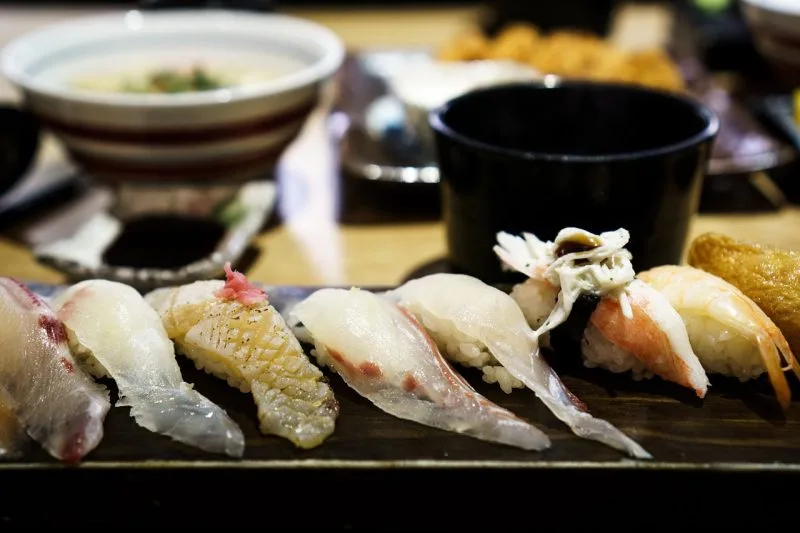
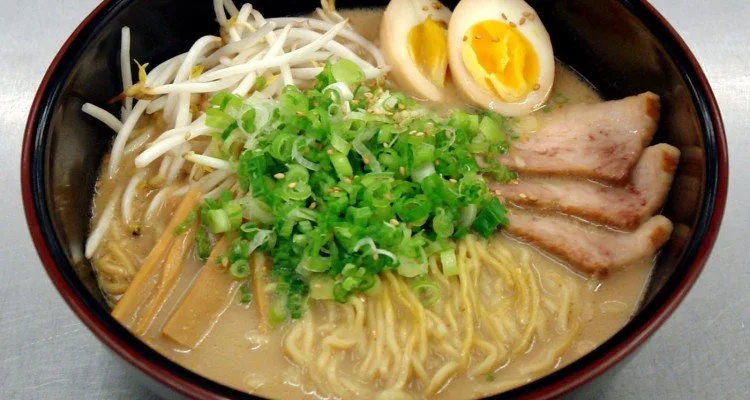
In Brazil and elsewhere, Japanese food is already part of ordinary life. It runs from hot pots to cold plates, with meat or without it, savory or sweet, and that range suits very different tastes. Liking the food is one of the most common ways to get closer to the culture. If you enjoy cooking, learn one meal well instead of collecting restaurant names.
Even beginners can enjoy Japanese cooking without leaving home, as long as the recipe matches the pans and the ingredients you can buy. Onigiri, tamagoyaki, miso soup or a simple donburi are realistic first projects. The useful test is whether you cook the same dish again the following week.
2. Watch Japanese cinema you can still find
Japanese cinema has a long record of prizes. Yasujiro Ozu and Kenji Mizoguchi were already major filmmakers in the first half of the twentieth century, and new Japanese features still reach festivals every year. Ozu's family stories often sit in a quiet room, around a meal or a visit. Mizoguchi's period films stage older conflicts with a different camera. The history of cinema in Japan follows the studios and the 1950s, when those names began to travel abroad.
Following a film from home is possible, and the catalog moves. Netflix and MUBI have both carried Japanese films, and a title can leave when the license ends. Access to the Telecine Play app and site in Brazil ended on 31 March 2022. The Telecine film library is now inside Globoplay, and other partners still sell the same channels, so that library left the old app. Some festivals add an online screening for a single edition. The next edition may stay in a theater only.
Collectors in Brazil have a slower route. Versátil Home Video has released DVD boxes of Ozu's films, including a three-disc set of five titles with Tokyo Story, known here as Era uma Vez em Tóquio (1953). A box stays after a streaming license ends. For a shorter list of individual titles, see five movies that portray Japanese culture.

3. Read the Japanese writers Brazil already translates
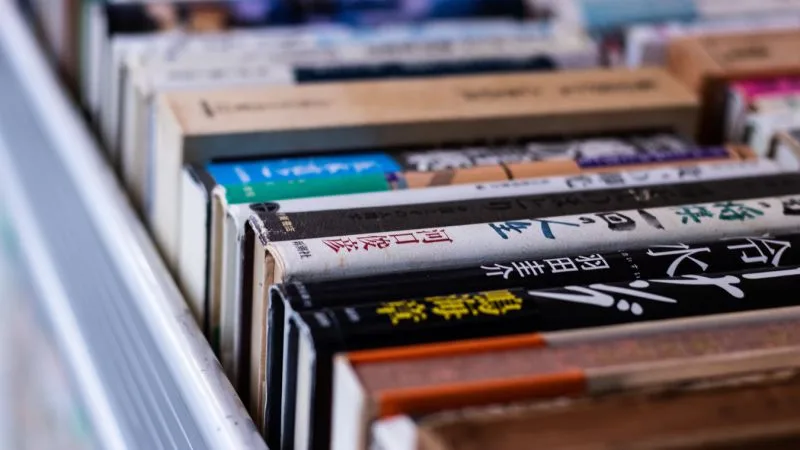
With a novel you can picture a street, a custom or a family rule that a short summary leaves out. Japan has renowned authors for that kind of attention, and they write very different books. Haruki Murakami, born in Japan in 1949, is one of the widely read names in translation today. In Brazil his books come from Alfaguara, an imprint of Companhia das Letras, and they are easy to find in Brazilian bookstores. In June 2024 Alfaguara published O Fim do Mundo e o impiedoso País das Maravilhas, his 1985 novel, translated by Jefferson José Teixeira.
Yasunari Kawabata and Kenzaburo Oe reward a slower read. The Nobel Prize in Literature went to Kawabata in 1968 and to Oe in 1994. Kawabata was cited for narrative mastery and a sensibility tied to Japanese literary tradition. Oe was cited for an imagined world in which life and myth form a picture of the human predicament. One book from each, in Portuguese, shows how far apart their subjects and their pace are.
4. Learn the language in smaller pieces
Japanese is a long study for speakers of Portuguese or English, largely because of kanji and because the grammar does not line up with either language. There are practical ways to begin. A few months of short lessons still leave a novel out of reach.
Online apps such as Duolingo and Memrise can teach you the first layer at home. Duolingo is built for a daily habit, hiragana, katakana and very simple sentences. Its Japanese course stays thin on grammar, so the streak is only the start of the study. Memrise can help with vocabulary when the Japanese course you open is carefully made, and those courses vary in quality. For explanations, Tae Kim's Guide to Learning Japanese is free and runs from beginner patterns to more advanced ones. Use it as a grammar reference beside the app. For the characters, Kanji Study handles stroke order, radicals and lookup, a narrower job than a general course.
A few minutes on most days will move you further than a rare weekend of several hours. The apps get you close enough to notice a word on a package or in a subtitle. Anime can train your ear once the kana are familiar, and it leaves large gaps if it is the only practice you keep.
Cooking, a film, a translated novel and a language session answer different questions, so the useful choice is the one you can repeat next week. A pot of rice, one film by Ozu, a book by Kawabata or Oe, and ten minutes with kana are already contact with Japanese culture from a home in Brazil.


Community
Comments
0 comments
There are no published comments in this language yet.
Send comment