
Many travelers answer “April, when the cherry blossoms open.” That week is gorgeous—and also one of the priciest and busiest of the year. A quieter trick is to aim for the shoulder between seasons, so you catch a little of both.
Japan does not hand you a single best month for everyone. Weather, landscapes, and seasonal food shift hard from Haru to Fuyu, and each window has exclusives: festivals, snow, fireworks, or maple color. Walking through the four seasons on their own terms makes the choice practical instead of mythical.
Contents 7
The 4 seasons of Japan
Japan is one of the few places where the four seasons land so clearly that you can watch the country change costume: snow, blooming flowers, falling leaves, and scorching heat. The closer you are to a “deadline” on the calendar, the less obvious the weather becomes—dates below are a tourist map, not a hard law of nature.
| Season | Period in Japan |
| Spring (Haru) | March 13 to June 21 |
| Summer (Natsu) | June 21 to September 23 |
| Autumn (Aki) | September 23 to December 21 |
| Winter (Fuyu) | December 21 to March 13 |
Spring in Japan
Spring is still the most famous time to visit Japan, packed with people for hanami, when parks turn into a soft-color show under the sakura. Mild weather after winter (roughly 4°C to 18°C in many cities) and early bloom in March pull visitors in fast.
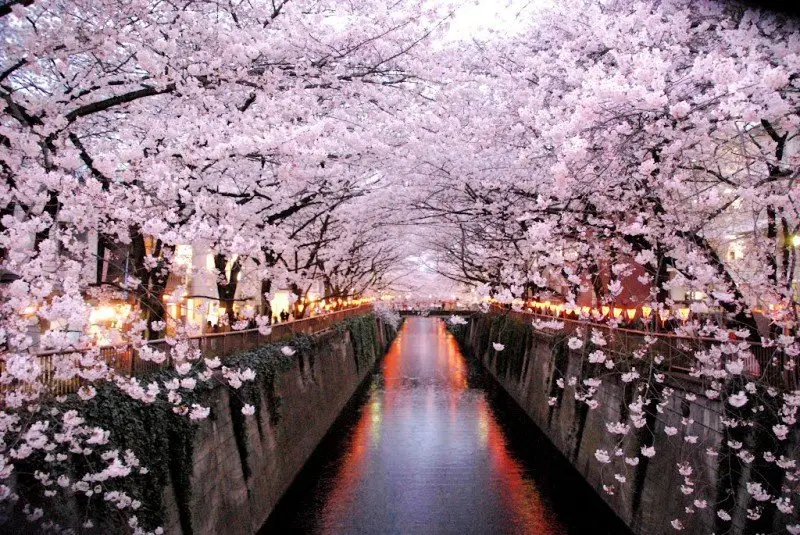
March, April, and May reward anyone who cares about scenery. They are also expensive: airfare climbs, hotels fill, and crowds can feel relentless—especially around Golden Week at the end of April, when many Japanese travel domestically too.
You can book a trip and still miss peak hanami. Bloom dates move by region and by year; the fix is mobility—chase the front north or inland instead of locking every day to one park in Tokyo. Calendars and forecast maps help, but they never remove the last bit of luck.
Plan spring travel from March into early June if you want soft weather overall. Full cherry-blossom drama usually sits between late March and April on Honshu, then later farther north.
Summer in Japan
Summer is the season people warn you about: heat, humidity, heavy rain, and typhoons. It is also when many summer festivals, fireworks, alpine hikes, coastlines, and Okinawa beaches actually make sense—if you pick your region and pace.
Early summer brings tsuyu (the rainy season), typically from early June into mid-July across much of Honshu. It is not a daily tropical storm, but grey skies and humidity can stall outdoor plans. Hokkaido is largely spared; Okinawa’s rainy window often arrives earlier and ends sooner.
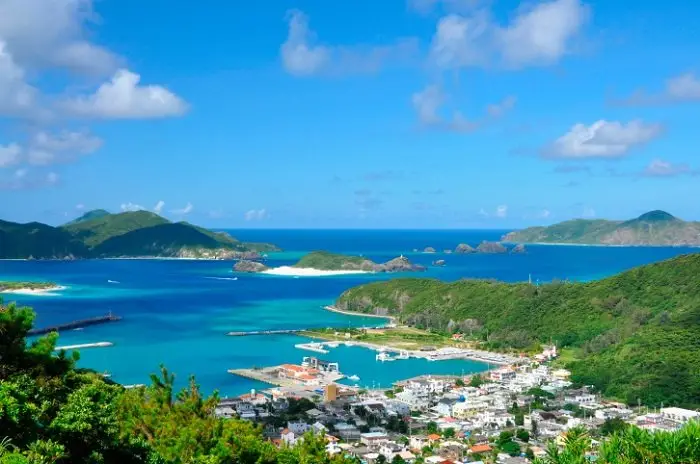
July and August often push past 30°C in major cities. Hokkaido and higher ground stay more livable; August also stacks fireworks and major festivals, with mid-month Obon packing trains and resorts as people return home.
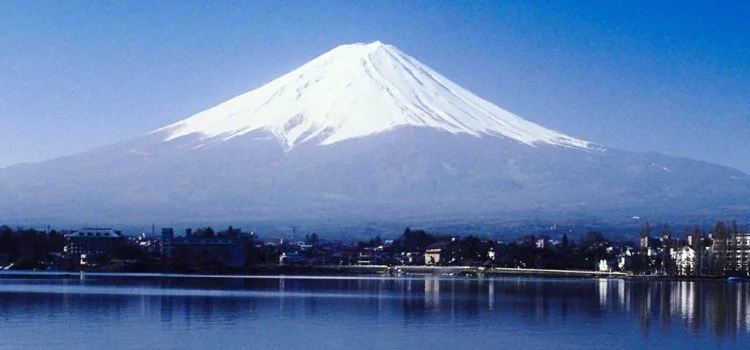
September can feel more comfortable after the peak heat, though typhoons still peak in late summer. Clouds can hide Mount Fuji for days. I traveled in this window once—it was fine, but I was sad not to see Fuji-san on that first try. I still prefer the second half of September when summer is letting go.
Autumn in Japan
By early October, leaves start to turn, temperatures settle into a comfortable band (about 10°C to 28°C depending on month and place), and Japan becomes one of the easiest countries to walk for hours. Personally, it is one of my favorite seasons.
Autumn is the honest alternative if spring dates or prices do not work. November often delivers the full color show before leaves drop; December still holds a thin edge of autumn in some places as winter arrives.
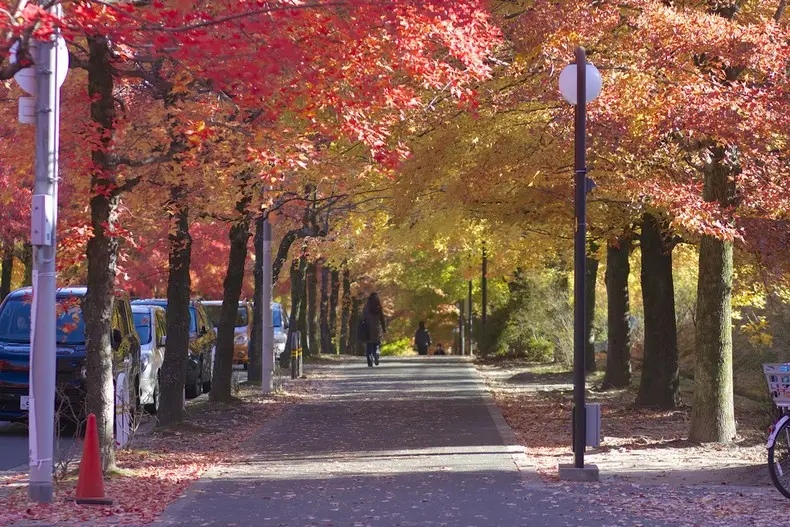
You can still visit an onsen and sit outside with the foliage as the backdrop. Kōyō (autumn leaf season) lasts longer than sakura week in many spots, which gives you a better chance of catching color without gambling on a single weekend.
Winter in Japan
By December, many trees stand bare, snow settles in the north and mountains, and city lows can sit between roughly −10°C and 10°C into February. The season rewards anyone who likes cold air and open views—and frustrates travelers who only feel at home in heat.
Between December and February you can ski, skate, and try snowboarding in mountain areas, soak in an outdoor onsen, and chase snow festivals—including the famous one in Sapporo—or simply spend New Year’s in Japan.
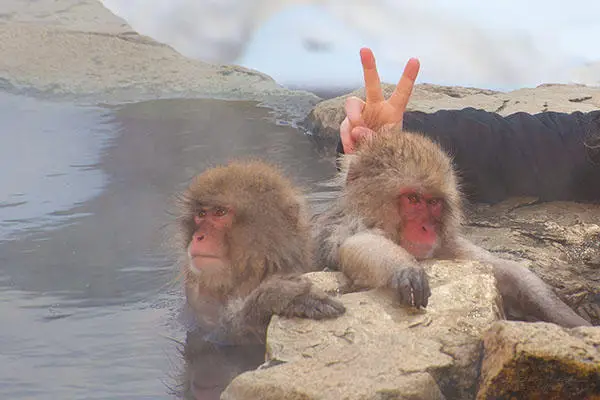
Winter can be as beautiful as any other season. The real limit is whether you accept short days, cold wind, and the occasional day when outdoor sightseeing is miserable enough to waste a slot on your itinerary.
Peak weeks that change the calendar
Beyond the four seasons, a few domestic travel surges reshape prices and crowds more than the weather alone:
- Golden Week (late April into early May) — Japan’s biggest holiday cluster for domestic trips; book early or plan around it.
- Obon (around mid-August) — hometown travel packs transport nationwide; big cities can feel oddly quieter while resorts fill.
- New Year (late December into early January) — many shops and attractions pause; shrines throng for hatsumōde, the first shrine visit of the year.
If your priority is empty temples and lower hotel rates, late January and February often help—cold air, fewer queues, and less scenic “color,” unless snow is what you want.
What time of year to visit Japan?
Other micro-seasons and traditional calendars can nudge the date of a visit. For a deeper cut into Japan’s seasonal divisions, see our guide to the seasons and periods of Japan.
There is no single winner. Each season trades comfort, cost, color, and festivals differently. Seasonal foods and regional weather still matter as much as the national postcard image.
In my opinion, the best months to travel are February, March, May, October, and November—enough of each season’s character without always colliding with peak crowds, peak prices, and the most uncomfortable weather.
And in your opinion? What is the best time to travel? We appreciate the comments and shares.

Community
Comments
0 comments
There are no published comments in this language yet.
Send comment