
Mount Takao, or Takaosan (高尾山), is one of the easiest mountain day trips from Tokyo without feeling like a city attraction in disguise. In Hachiōji, west of central Tokyo, a short train journey leads to forest paths, Yakuoin Temple, tengu figures and a summit that can look toward Mount Fuji when the air is clear.
Its appeal is not a single viewpoint. Takao works because the walk changes character as you climb: station crowds give way to cedar shade, then temple gates and stone steps, then a summit ridge. You can hike from the base or use the cable car or chairlift to shorten the first ascent. The best choice depends on how much walking, time and weather you have.
Contents 12
Where is Mount Takao?
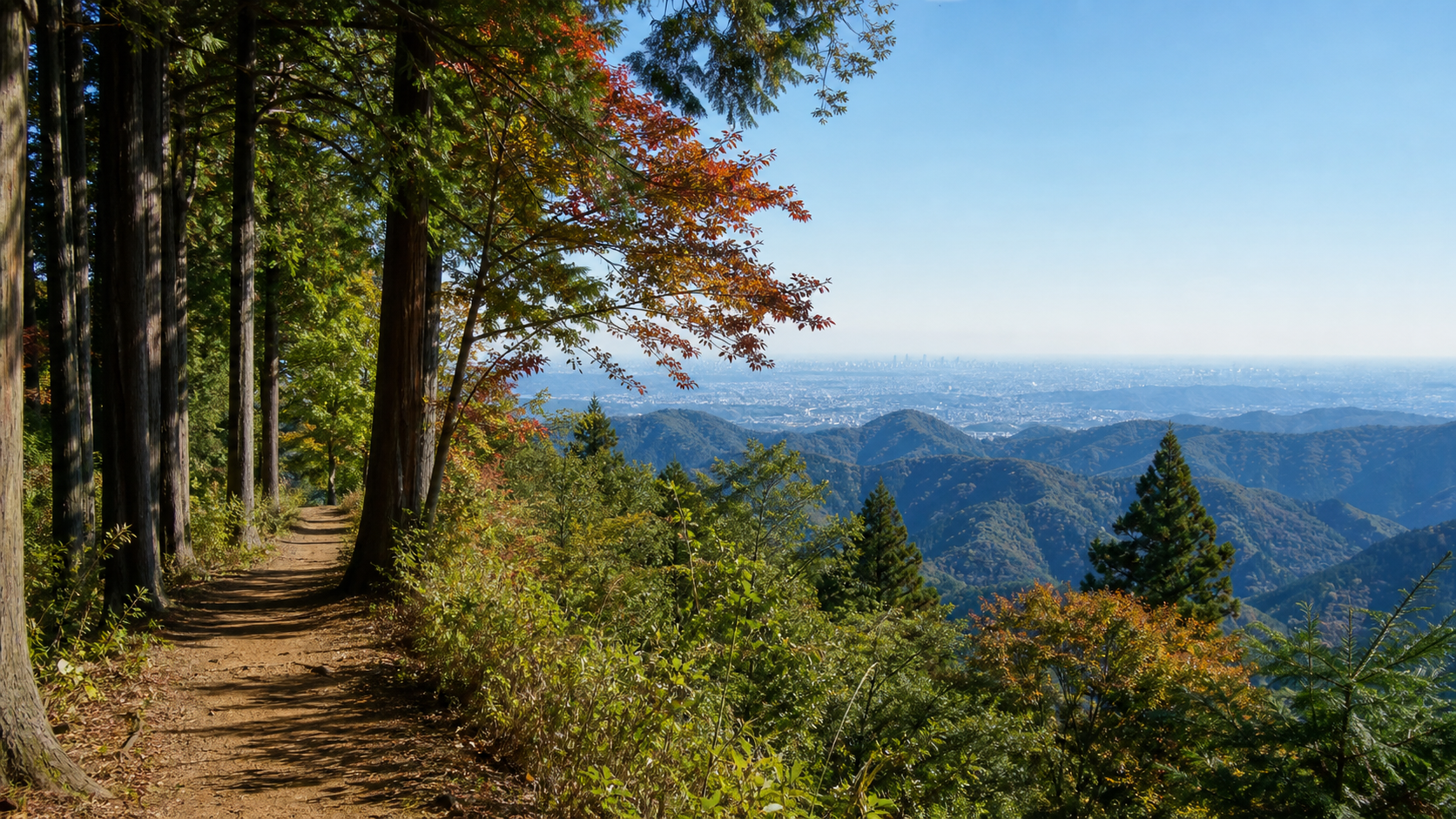
Mount Takao sits in Hachiōji, western Tokyo. It is close enough for a day out from Shinjuku, yet the shift in scenery is immediate: rail platforms become cedar trees, maple leaves and mountain paths. The summit is 599 metres high, and a clear day can bring views over Tokyo and toward Mount Fuji.
Do not plan the trip around Fuji alone. Visibility depends on cloud, humidity and the time of day. Go for the forest and temple first; treat a Fuji view as a welcome extra. Weekdays are usually calmer than weekends, especially during the autumn colour season.
A sacred mountain with a long history
Takaosan Yakuōin Yūkiji was founded in 744 by imperial order, with the monk Gyōki associated with its opening. The temple began as a prayer temple and became an important centre of shugendō, a mountain-based ascetic tradition. That history is why a visit to Takao feels different from a simple urban park walk.
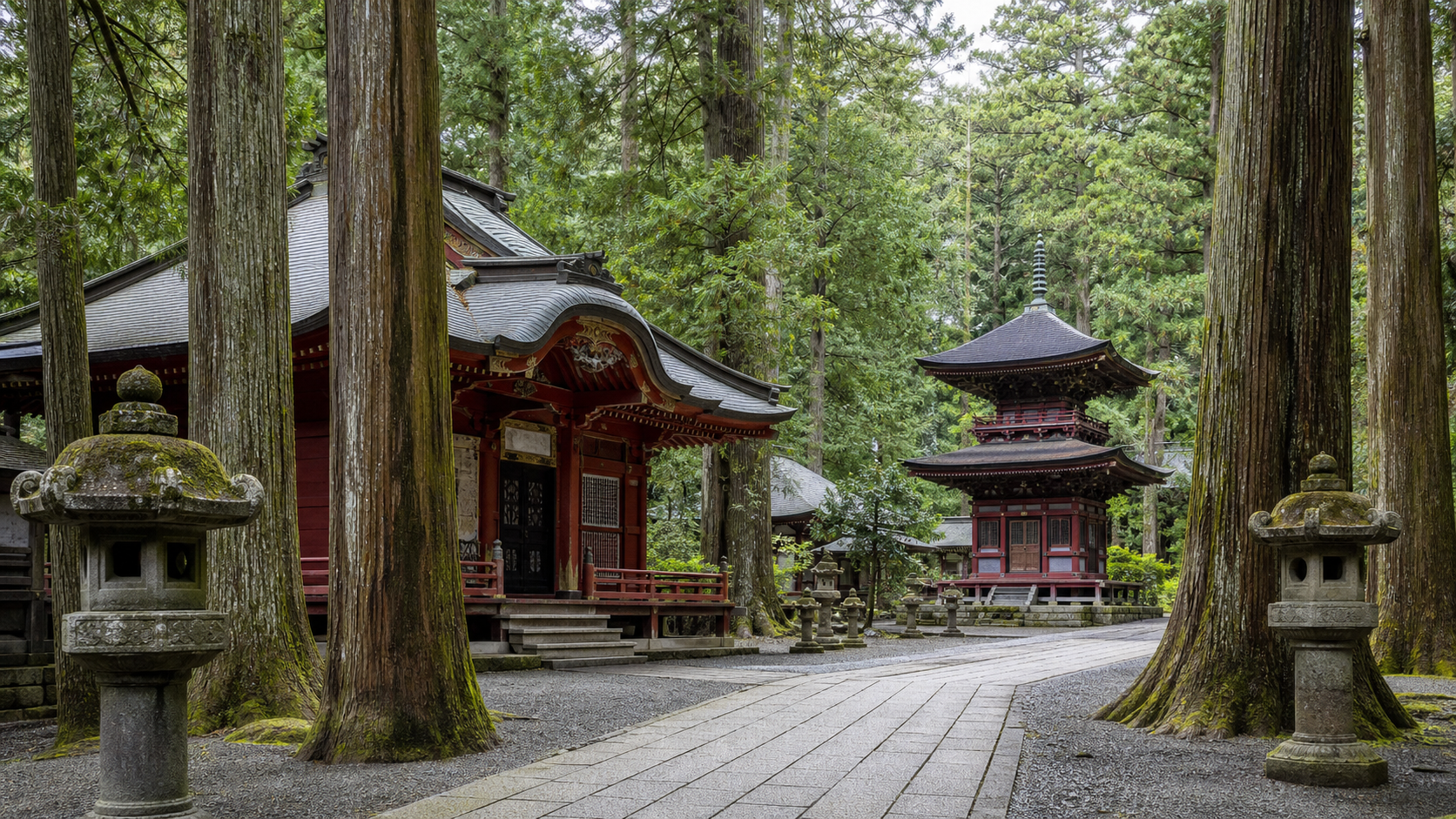
In the fourteenth century, Izuna Daigongen became central to Yakuoin. The temple grounds still carry that religious context, rather than using it as scenery. Notice the gates, ritual objects and carved figures as you walk through: they are part of an active place of worship, so give people praying space and follow signs around the buildings.
Yakuoin and the tengu tradition
Takao is closely associated with tengu. Popular stories often present them as mischievous mountain beings, but at Yakuoin they also appear as attendants and guardians connected with Izuna Daigongen and the mountain’s religious tradition. Look for both the long-nosed and crow-beaked forms around the temple grounds.
This is Takao’s defining contrast: a mountain path and a religious site share the same route. Tokyo has major temples too, including Sensō-ji in Asakusa, but the setting at Takao asks for slower attention. The walk is part of the visit, not merely the way to a photograph.
Walk, cable car or chairlift?
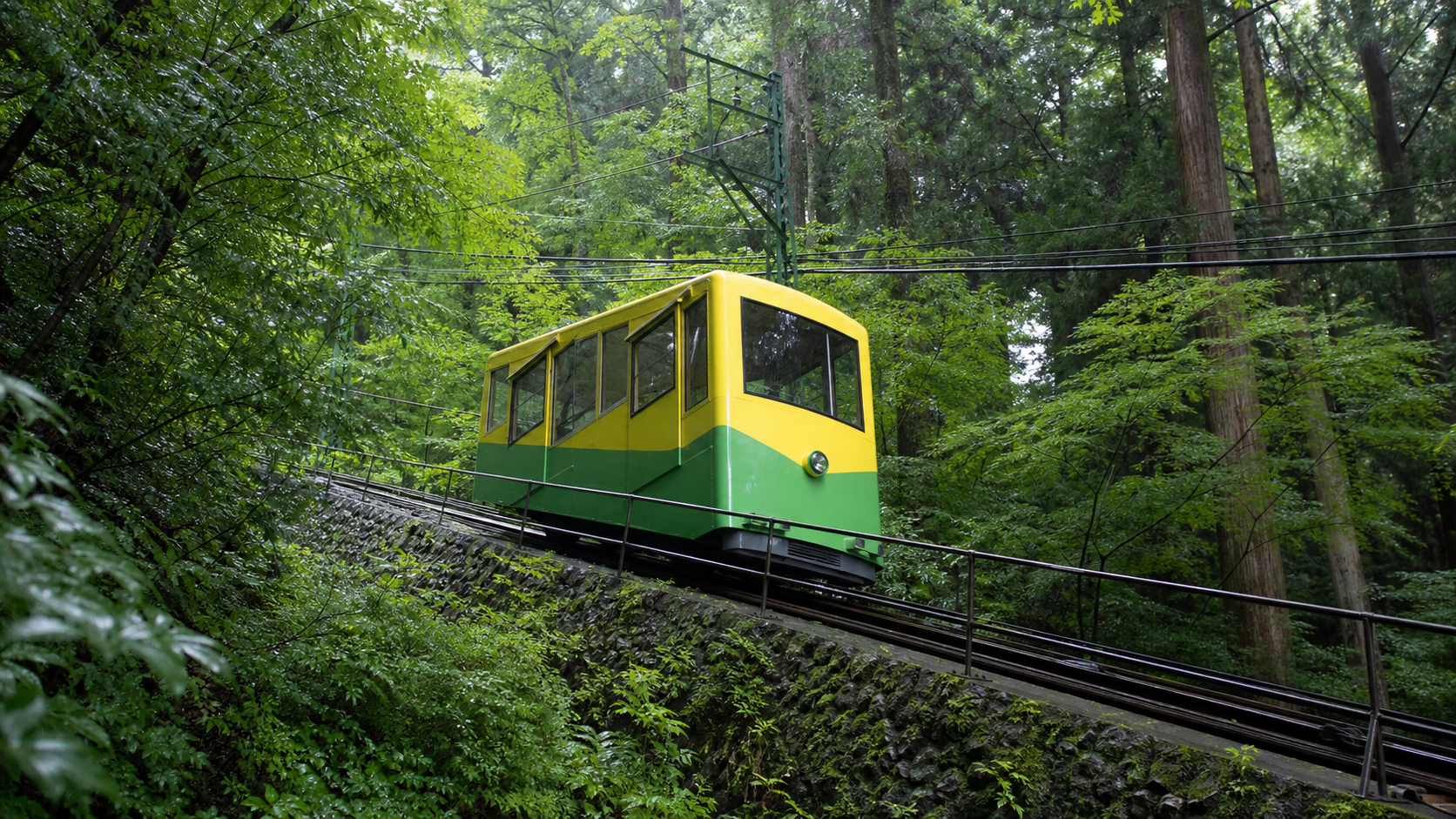
The cable car and chairlift both help visitors gain the first stretch of elevation. The cable car is the steadier option for travellers who prefer an enclosed ride; the chairlift is open to the trees and feels more exposed. Neither removes the upper walk to the temple and summit, so keep footwear and daylight in mind.
| Option | Best for | What to expect |
|---|---|---|
| Walk from the base | Visitors who want the full forest transition | More time, more elevation and freedom to pause |
| Cable car | Saving energy for Yakuoin and the upper paths | A quick enclosed ride to the upper area |
| Chairlift | Those comfortable with an open-air ascent | Tree-level views and a slower ride uphill |
Services can change with weather and season. Check the operator on the day of your visit, particularly if you are arriving late, travelling with children or hoping to descend by lift rather than on foot.
Which trail suits your day?
Trail 1 is the usual first choice for a first visit. It is broad, follows the main sights and passes Yakuoin on the way to the summit, which makes it practical when you want temple, forest and a clear route in one outing. It is also the busiest path, particularly in autumn.
Takao has other numbered trails for people who want a quieter or more natural-feeling walk. Those routes can be narrower, unpaved or slower after rain. If you leave Trail 1, check the current trail map, carry water and allow enough time to come down before dark. A route that feels easy in dry daylight can be unpleasant when shoes lose grip or the last lift has stopped running.
Why Takao feels different from other Tokyo day trips
- Forest meets city: the mountain lies within metropolitan Tokyo, yet its trails quickly feel removed from the city.
- Religion shapes the route: Yakuoin and the tengu tradition give the climb a living cultural context.
- There is more than one pace: visitors can make a full hike, combine a ride with the upper paths or focus on the temple area.
- Season changes the experience: fresh leaves, humid summer shade, autumn colour and clear winter air each alter the reason to go.
When should you visit?
Spring brings fresh leaves and later cherry blossoms than central Tokyo. Summer makes the forest dense, but rain and humidity can make paths feel heavier. Autumn is the famous season, with colour and crowds arriving together. Winter often offers the clearest long-distance views, though the mountain can feel colder than central Tokyo.
For a quieter visit, start early on a weekday and do not depend on the final cable car or chairlift. In every season, bring water, wear shoes that can handle steps and uneven ground, and check the forecast before you leave the city.
Frequently asked questions
Do I need mountaineering experience?
No. Trail 1 and the transport options make Mount Takao approachable for many visitors. Still, choose your route honestly: wet paths, poor shoes and little daylight can make a short hike uncomfortable.
Is Mount Takao religious?
Yes. Yakuoin is an important centre for Buddhist practice and shugendō, and the mountain has long been a place of pilgrimage.
Can I always see Mount Fuji?
No. Fuji appears only when conditions cooperate. The forest, temple and walk are enough reason to go; the view is a bonus.
More than a summit photo
Mount Takao shows a side of Tokyo that is easy to miss if you stay near the towers. Prayer, forest protection, railway access and local culture all meet on one mountain. Take the route that suits your day, leave enough time for the temple grounds and let the summit view be the final part of the walk rather than the only goal.



Community
Comments
0 comments
There are no published comments in this language yet.
Send comment