
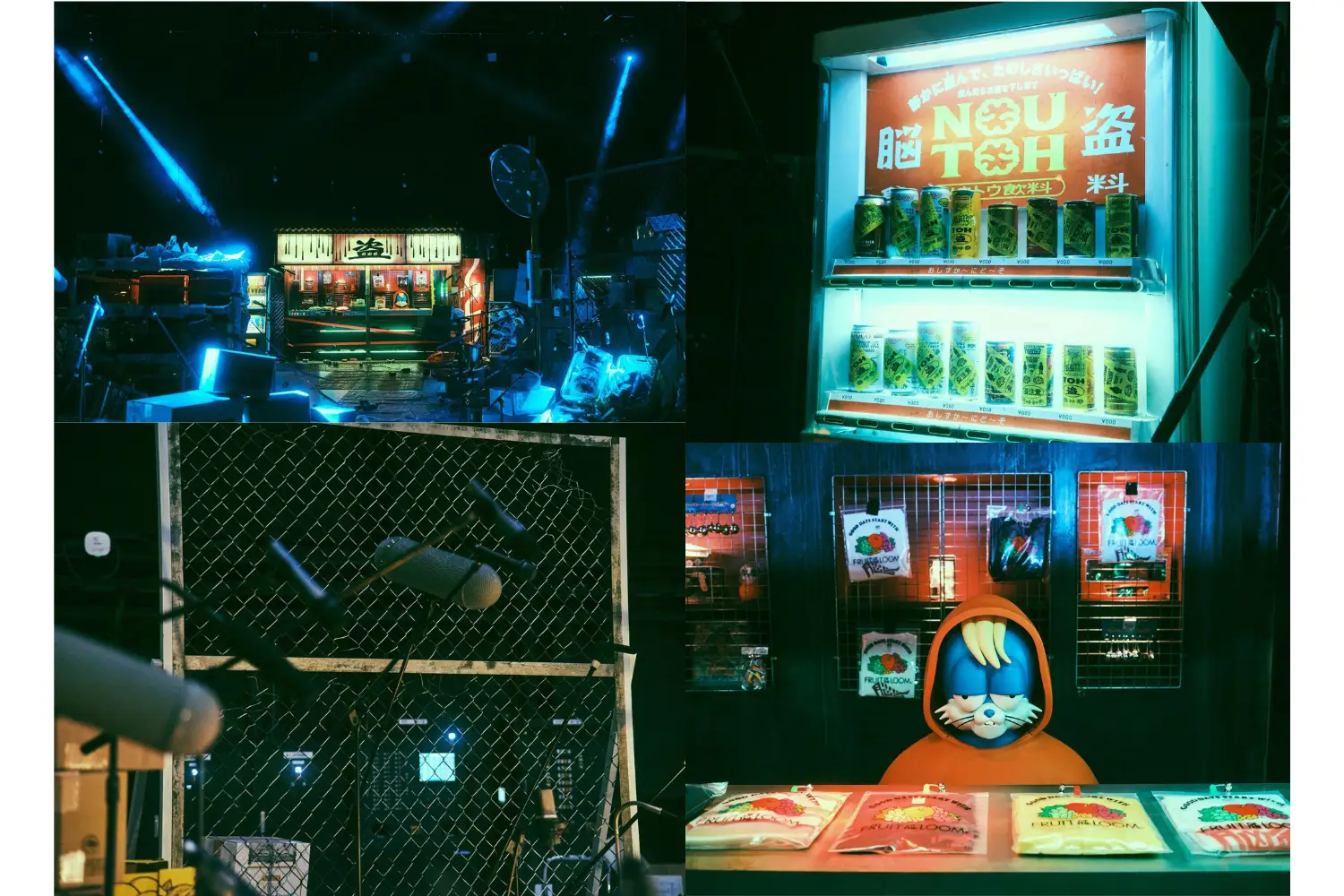
盗-TOH- was not an ordinary shop, nor permission to steal. It was a temporary Tokyo event created by TBS Radio’s program Nōtō (脳盗), where visitors could take home selected items only by following one strict rule: make no noise. The name uses the kanji 盗, meaning ‘steal,’ but the activity existed inside a controlled, ticketed event and did not excuse theft anywhere else.
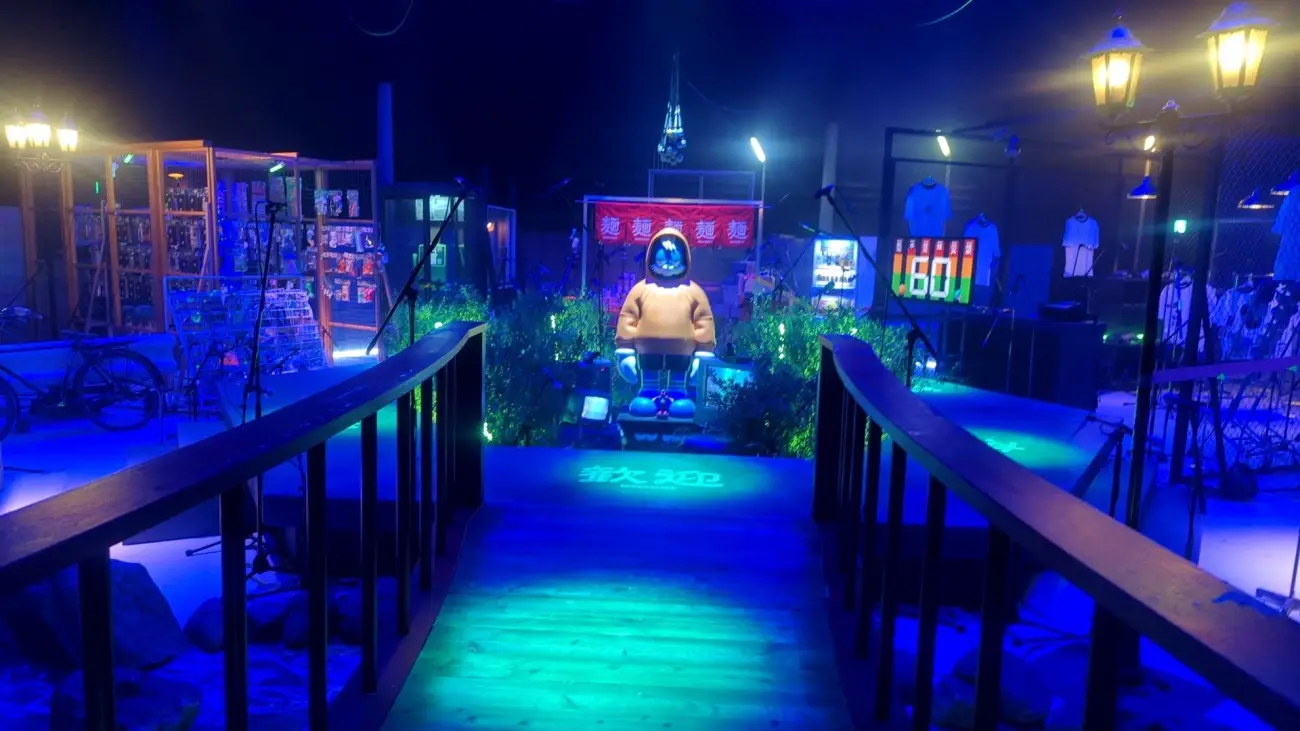
The best-known recent edition ran at TBS Akasaka BLITZ Studio from March 13 to 16, 2025. Participants entered alone or in groups, had 60 seconds to move through the venue, and had to leave quietly with the items they had chosen. It turned an everyday action—picking something up and carrying it away—into a short, nerve-racking challenge.
Contents 6
What was 盗-TOH-?
TOH was an experiential pop-up developed by the radio show Nōtō, hosted by TaiTan and Shūhei Tamaki of MONO NO AWARE. It borrowed the visual language of a market, then replaced normal shopping with a game of restraint. Visitors were allowed to take eligible goods, but only within the event’s own rules and time limit.
That distinction matters. The premise played with the word ‘steal’ precisely because everything had been arranged by the organizers: entry was booked in advance, the venue was monitored for sound, and the right to take an item ended the moment a participant broke the rules. Outside the event, shoplifting remains a crime.
How the silent challenge worked
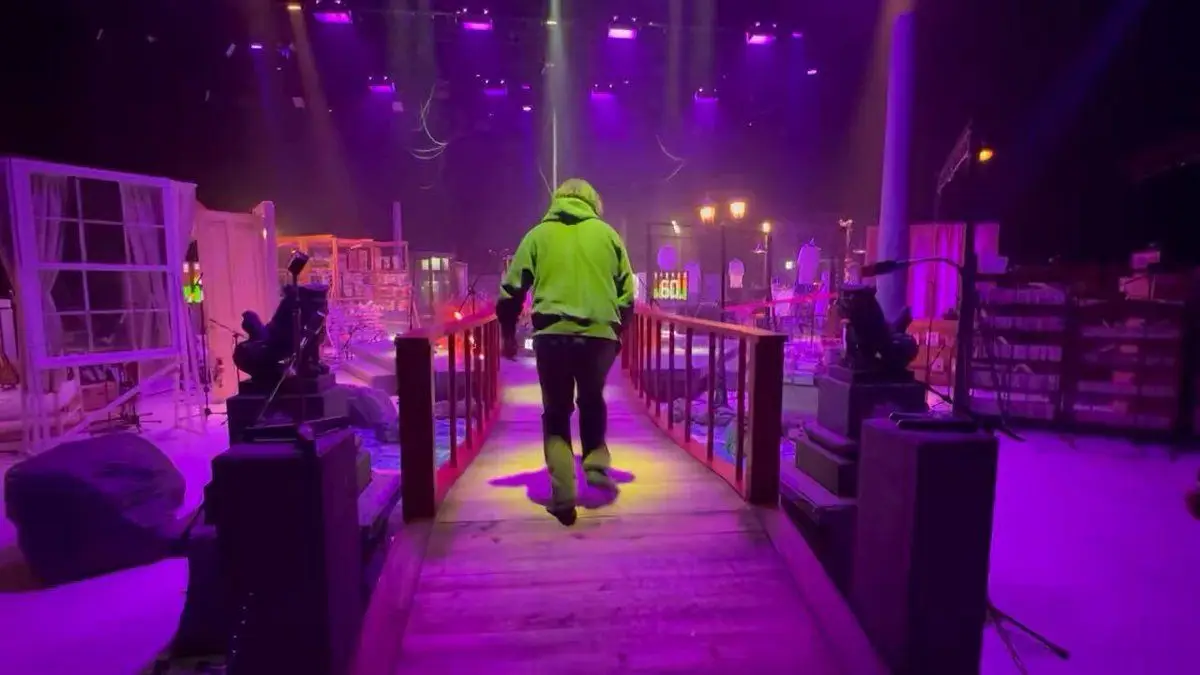
The 2025 edition gave each participant or group 60 seconds. TBS Radio described more than 200 highly sensitive microphones placed throughout the venue. A noticeable sound meant immediate removal from the game; participants needed to get out before time expired as well.
- Reserve a slot: the 2025 event used timed, advance tickets rather than walk-in shopping.
- Enter alone or with a group: groups of one to four could participate, which made larger items a shared risk.
- Choose carefully: taking an item was allowed only while the event timer was running.
- Stay silent: footsteps, handling an object carelessly, or any other detected noise could end the attempt.
- Leave on time: silence alone was not enough; the exit was part of the challenge.
The rule sounds simple until speed enters the picture. A participant had to judge weight, packaging, distance, and the path back to the exit without turning the room into a race. That tension—not a loophole in the law—was the point of TOH.
What could participants take home?
The 2025 theme was a ‘stealable market.’ Instead of a fixed shop catalog, the space mixed categories such as sleep products, used books, snack foods, apparel, toys, noodles, and everyday goods. That variety made strategy part of the experience: something small might be easy to carry, while a larger or awkward object could cost precious seconds.
Organizers also set limits on the number of items participants could take. The exact selection, participation rules, and ticket arrangements belonged to that particular edition, so they should not be treated as a standing offer. A new TOH event could use a different layout, product mix, or entry system.
Why did the event draw attention?
The first edition had already drawn long queues, and TBS Radio reported roughly 1,000 visitors. The concept later received two awards at the 2024 ACC TOKYO CREATIVITY AWARDS, a notable result for a project born from a radio program. Its appeal is easy to understand: it makes the visitor notice every small movement that regular shopping usually hides.
TOH also worked because the challenge had clear stakes. A loud object, a rushed step, or poor coordination could undo an otherwise good plan. The result was closer to a live game or performance than a conventional retail visit, with the reward tied directly to the participant’s control.
Can you visit TOH now?
The March 2025 edition is over. TOH is a limited event, not a permanent Tokyo store, so travelers should not build an itinerary around old dates or ticket pages. If another edition is announced, check the organizer’s current notice for the venue, dates, eligibility, ticket method, and rules before making plans.
If you come across videos or posts calling it a place where people can ‘steal legally,’ read that phrase as a description of the staged challenge—not as advice to imitate. The unusual name is part of the performance; the permission existed only inside the event and only on its stated terms.
What made TOH different from a normal pop-up?
Most pop-ups ask visitors to browse, photograph products, or buy limited goods. TOH made the act of moving through the space the attraction. Silence, a short clock, and microphones transformed ordinary objects into decisions: is this worth carrying, can it be moved without a sound, and is there enough time to get out?
That is why the event became memorable without needing a permanent storefront. It was a temporary game built around attention and self-control—one whose rules were as important as its prizes.




Community
Comments
0 comments
There are no published comments in this language yet.
Send comment