
Nagatoro is the kind of place that seems to have stopped in time. Nestled in the mountains of Saitama, it blends crystal-clear rivers, rocks sculpted by nature, and a pace of life that invites you to slow down. Despite being only about two hours from Tokyo, the feeling on arrival is as if you have crossed into a completely different world.
Many visitors go there in search of adventure, others for tranquility. And believe me, you can find both on the same day. Whether gliding in a boat on the Arakawa River, exploring trails to the top of Mount Hodosan, or simply sitting to watch the autumn leaves fall, Nagatoro always has a way of leaving a mark in your memory.
Now let us take a closer look at what this destination offers, and why it deserves a place on your travel list in Japan.
Contents 8
How to get to Nagatoro
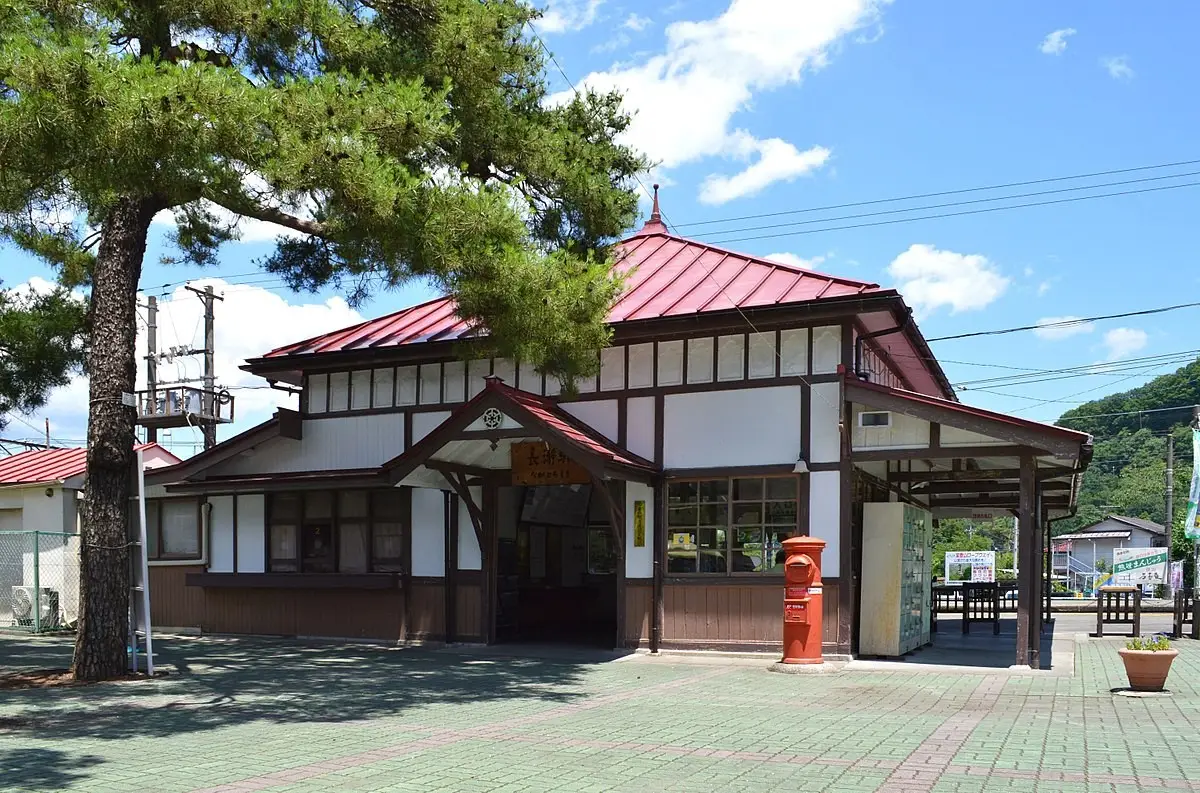
Getting to Nagatoro is simple, and this is one of the reasons the place is so beloved by people living in Tokyo. Leaving the capital, you can take a direct train or one with a short connection. The journey, which takes about two hours, is already part of the charm: as the train moves forward, the urban landscape gives way to fields, hills, and rivers that prepare the spirit for what lies ahead.
Nagatoro station is only a few minutes' walk from several attractions, which makes it much easier for those who prefer to explore without relying on local transport. Even so, it is not uncommon to see tourists renting bicycles to get around the town, a practical and pleasant way to move about.
Boat ride on the Arakawa
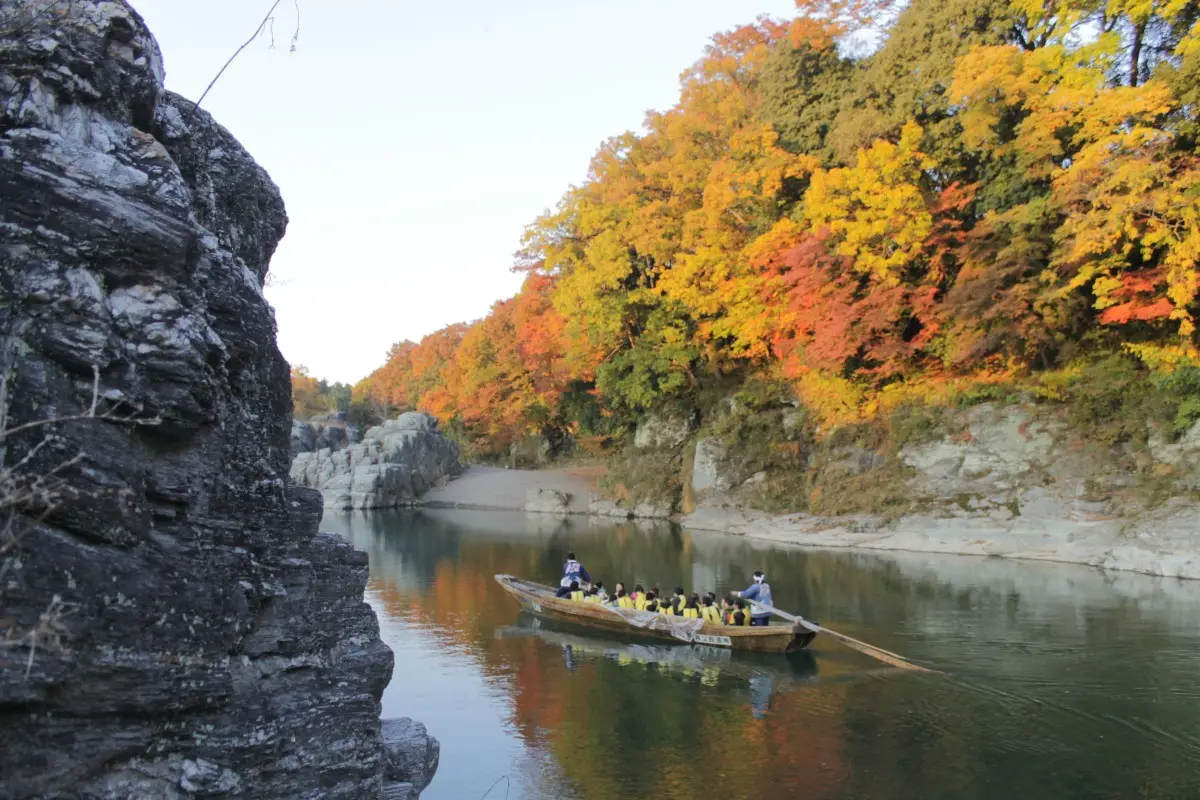
The boat ride is undoubtedly one of the most emblematic experiences in Nagatoro. The traditional wooden boats, steered by guides using long poles, glide along the Arakawa River along a route that alternates between tranquil stretches and brief bursts of excitement in the small rapids.
The most striking feature is the natural frame formed by the famous Iwadatami rocks. These formations, with their clearly visible geological layers, create an almost cinematic view. In autumn, the trees along the riverbanks dress in golden and reddish tones, and the reflection in the water makes the experience even more special.
If your visit is in summer, the warm weather makes the ride refreshing, with splashes of water helping to relieve the heat. In winter, the more austere landscape and the mist over the river give a mysterious air that also has its charm.
Hodosan and its panoramic view
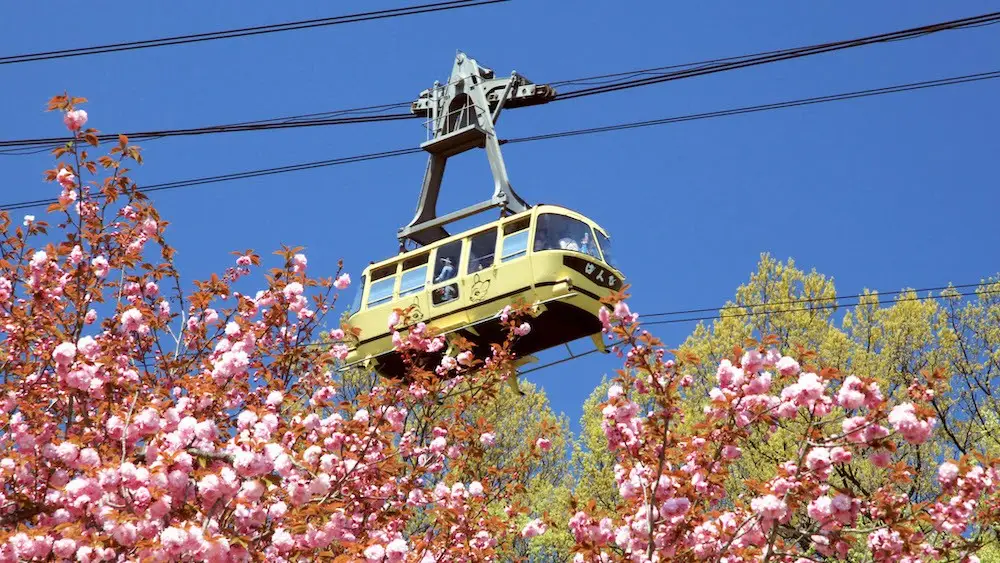
Mount Hodosan is another highlight, literally, of Nagatoro. You can choose to hike up the trails or take a cable car that drops you close to the top. From the summit, the view opens up to a sea of mountains and valleys, shifting completely in color with each season.
At the summit stands Hodosan Jinja, a small shrine known for its detailed architecture and serene atmosphere. Local legend has it that the mountain was protected from fire by a divine force, which still draws visitors in search of good energy. In spring, the path to the top is lined with plum and cherry blossoms, while in winter small cold-resistant flowers catch the eye.
On the mountainside, a flower park changes with the seasons: azaleas in spring, hydrangeas in summer, and chrysanthemums in autumn. It is a quieter spot, ideal for those who want to escape the busiest areas.
Interesting points in Nagatoro
Beyond the river and the mountain, a few smaller stops are worth weaving into your day in Nagatoro.
Tsuki no Ishi Momiji Park (Lunar Stone Maple Park)
This park is one of the most photogenic places in Nagatoro in autumn. Its name, "Moon Stone," comes from a large flat rock in the center, which, under the night lighting of November, reflects light and creates an almost magical effect. During the autumn festival, lanterns and spotlights highlight the red and golden leaves of the trees, drawing both photographers and local families. It is a short walk, but very memorable for anyone visiting in this season.
Saitama Prefectural Museum of Nature
Located near the Arakawa River, this museum is perfect for anyone who wants to learn more about the geology and biodiversity of the region. It displays fossils, rock samples, taxidermy animals, and even life-sized models of dinosaurs that lived in prehistoric Japan. It is educational, but also surprising for adults, since it directly connects the rock formations seen at Iwadatami with the natural history told inside.
Onsen and local inns
Although Nagatoro is not a classic onsen destination, there are small inns and hot spring bathhouses in the surrounding area, especially in the wider Chichibu region, just a few minutes by train. For anyone who wants to relax after a day of hiking and sightseeing, it is a perfect complement.
Seasonal plantations and harvests
Around Nagatoro, small farms let visitors pick fruit according to the season, such as strawberries in spring and grapes at the end of summer. These rural experiences bring tourists closer to the agricultural side of the region and are highly valued in Japanese domestic tourism.
Would you slot Nagatoro and its surroundings into your next trip to Japan?






Community
Comments
0 comments
There are no published comments in this language yet.
Send comment