
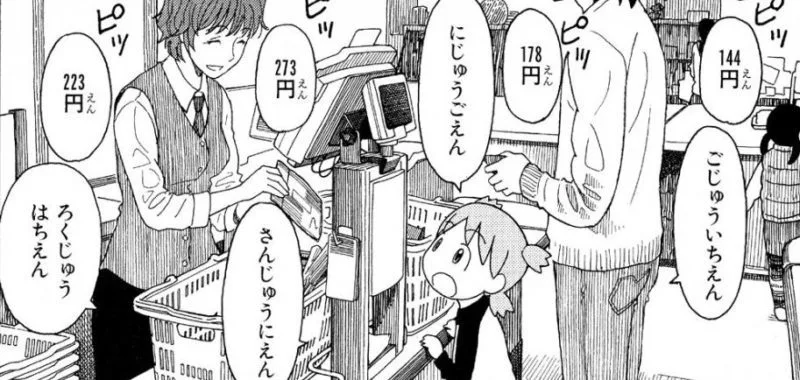
Many believe that the Japanese language is very difficult to learn. And it really can be intimidating because of its thousands of ideograms. However, the reality is that the Japanese language is much more accessible than that reputation suggests; in this article, you will see in what sense Japanese is more straightforward to learn than the first impression implies - and where the genuine hurdles still sit.
Before getting into the details, one important caveat: every language asks for dedication and patience. Speakers of English, French, or Portuguese meet in Japanese a structure that looks alien on the surface, yet follows clearer patterns than most European languages once you settle in. Japanese grammar is built on consistent rules, the writing system is made of well-defined pieces, and pronunciation is closer to the syllable system of Romance languages than English spelling ever manages to be.
Contents 7
Simplicity in grammar and verbs
Unlike Portuguese or French, Japanese does not carry thousands of verb conjugations or a sprawling pronoun system. While Portuguese has ten indicative tenses and six in the subjunctive, Japanese has only two tenses: present and past. What English, French, or German would render as future perfect, conditional, or subjunctive is expressed in Japanese by an ending, by context, or by a dedicated auxiliary verb - not by a fully inflected form of its own.
A second major difference: Japanese verbs do not conjugate according to the subject. The person - I, you, he, she, we, they - never changes the verb. A learner only needs to memorize the plain form, the past form, the negative, and the polite ending, and that is essentially the full picture. Compare the verb to go in both languages:
- English - to go - I go, you go, he goes, we go, they go, I went, you went, he went, we went, they went, I will go, I would go, I have gone, I had gone, I had been going, going, gone, goes, went, going to go;
- Japanese 行く - iku - iku, iki(masu), ikanai, itta, ikanakatta, ikou, ikeba, ittara, ike, ikeru, ikaseru, ikaseta.
Most everyday situations are covered by a single base form, iku. The other endings only add nuance - past, negative, polite, conditional, potential, or causative. There is no agreement with the subject and no person-based change, which is one of the largest sources of difficulty removed.
No gender, no articles, no plural
Japanese also does not mark gender on nouns. There is no masculine or feminine form on a word like bridge or student, the way French, Spanish, Portuguese, or Italian demand a choice between le/la or o/a. The same applies to adjectives and verbs: there is no agreement between subject and adjective, and no need to remember that a table is feminine in one language and masculine in another.
Japanese does not mark plural either. 猫 (neko) means cat and cats at the same time, and the same is true for virtually every noun. If the count matters, the speaker adds a counter word or a number, but the noun itself never changes shape.
There is also no definite or indefinite article. Nothing like the or a exists in the language. A single word covers singular, plural, specific, and generic, and the listener fills the rest from context. This single feature removes one of the largest sources of small errors that learners of English, Spanish, French, or German produce in their first years.
Pronunciation and syllables
Pronunciation is one of the easiest parts of Japanese for English speakers to pick up, and even easier for those who already speak a Romance language. Unlike English, Japanese syllables are similar to those of Portuguese, Spanish, or Italian, so pronunciation is rarely a real obstacle. Japanese has fewer syllables than most languages (around 109), and pitch accent is light and predictable compared with tonal languages.
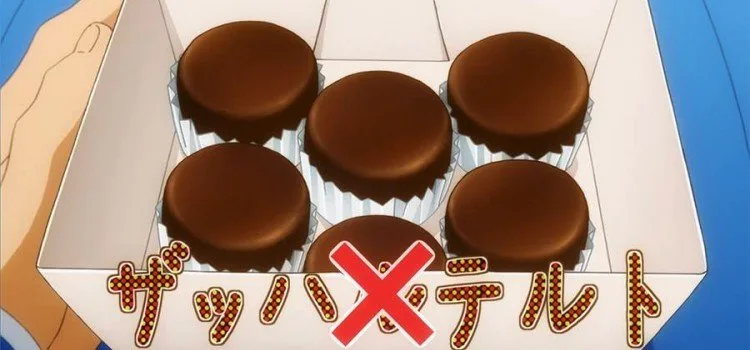
Another point that helps: although Japanese has 109 syllables, there are only 46 basic kana (characters) that represent them. Japanese uses two alphabets made of these 46 kana that together produce 71 different sounds. This is possible because some kana gain an extra sound through two small marks called dakuten (the two dots) or handakuten (the small circle). A few examples:
| か ka | き ki | は ha | ば ba | へ he |
| が ga | ぎ gi | ぐ gu | ぱ pa | ぺ pe |
Master these 46 kana (hiragana and katakana) and the 71 sounds, and you can read aloud any Japanese text that does not contain kanji - or that is paired with furigana, the small kana printed above kanji to show the reading. For most learners, both kana sets are learnable in a few weeks of steady practice.
Word formation and loanwords
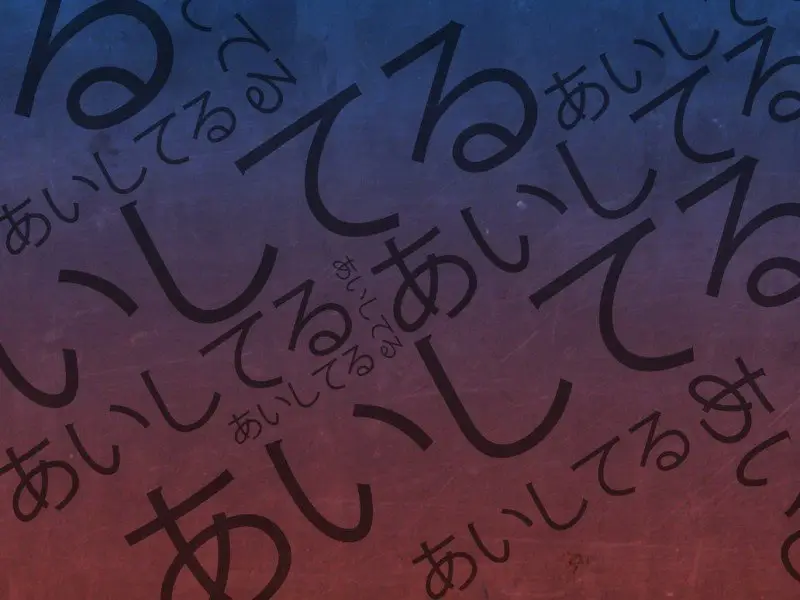
Another reason Japanese is more accessible than it looks: many everyday words are loanwords from English and Portuguese. Nouns for objects, animal names, and even a number of verbs have their origin in another language or exist in a recognisable foreign form. These loanwords are written in katakana, which makes them visually distinct and easy to spot in a sentence.
Common examples include コーヒー (kōhī, coffee), コンピューター (konpyūtā, computer), パン (pan, bread, from Portuguese pão), タバコ (tabako, tobacco, also from Portuguese), and テスト (tesuto, test). When you already know English, you can recognise a large part of modern Japanese vocabulary on the first read, which shortens the path to reading newspapers, menus, and websites.
Even kanji, often described as the scariest part of Japanese, follow a logic worth knowing. Japanese becomes much easier and more intuitive once you start to see that kanji are built from smaller pieces that carry meaning. Many characters are composed of radicals and shapes that hint at the meaning, as if the writing were a small picture. Just as in German you can see that Fernseher is fern + sehen + -er, in Japanese words are often built by combining two or more kanji into a single compound:
- 手 (te, hand) + 紙 (kami, paper) = 手紙 (tegami, letter). Two kanji forming one word;
- 木 (ki, tree) = 林 (hayashi, grove) = 森 (mori, forest). The same element repeated, becoming a new word at each step;
- 木 (ki, tree) + 几 (tsukue, table) = 机 (tsukue, desk). Two distinct kanji combined into a single character that means desk.
Kanji: the real frontier
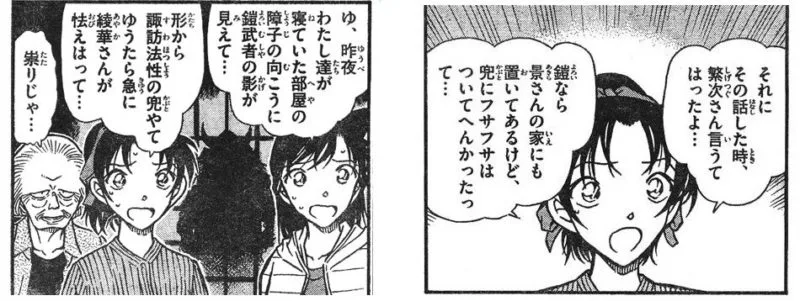
If grammar is the part of Japanese that is friendlier than expected, kanji is the part that genuinely takes time. There are several thousand kanji in use, and an educated adult typically reads around 2,000 of them in newspapers and books. The good news is that you do not need all of them to start reading. The JLPT N5 level asks for about 100 kanji, and the official Jōyō Kanji list for everyday use sits at 2,136 characters, taught gradually across the school years.
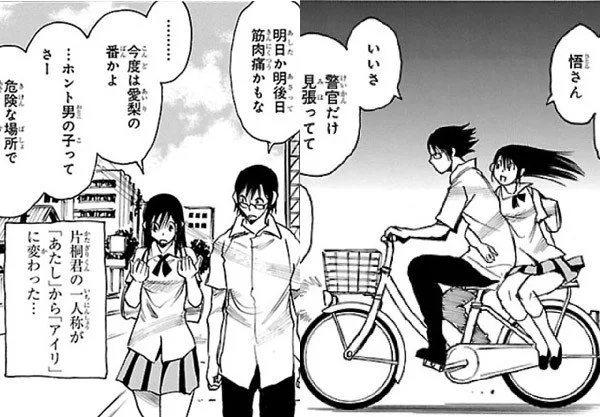
For a learner, the practical target is to learn kanji in context rather than as isolated symbols, and to rely on furigana whenever a text is too dense. With consistent practice, reading speed builds up: a beginner can handle simple manga with furigana within a year, and a reader who goes through graded readers can reach short novels in two to three years. Kanji is a long climb, not a wall, and each new character makes the next one easier to remember because of the radicals they share.
Subjects can be omitted
One habit that surprises new learners is that the subject of a Japanese sentence is often left out. Japanese marks who is doing the action through context, particles, and verb endings, so it is normal to read a string like 昨日、友達と映画を見に行った (kinou, tomodachi to eiga o mi ni itta, yesterday went to watch a movie with a friend) without any pronoun for "I." The listener or reader simply understands the subject from the situation.
This is a structural feature, not a sloppy omission. It also explains why Japanese feels concise in writing and why direct translation into English often produces sentences that look incomplete. Once you adjust to it, the freedom to drop the subject makes the language feel lighter to use, and it removes the need to memorise subject pronouns in the way English, Spanish, or Portuguese demand.
A balanced view
Japanese is not "very easy." The grammar is simpler than its reputation suggests, and the kana system is friendly to pick up, but the language is genuinely demanding in other places. Memorising kanji takes years of patient exposure. Politeness levels, regional dialects, and the variety of counters for objects, people, and time slots can all catch learners off guard. Word order is the opposite of English, which takes a real adjustment period.
And yet, when you compare Japanese to a Romance or Germanic language, the area where most adult learners give up - irregular verb forms, grammatical gender, articles, and plural agreement - is precisely the area where Japanese is lightest. The trade-off is real: you trade verb tables and noun genders for kanji and counters. For a learner who enjoys reading, visual memory, and steady practice, the trade is more even than the popular reputation suggests.
So, is Japanese difficult to learn? The honest answer is that it is easier to start than people think, and harder to master than a beginner expects. With patience, a clear method, and daily contact with the language, the path is more accessible than its intimidating reputation makes it sound.



Community
Comments
0 comments
There are no published comments in this language yet.
Send comment