
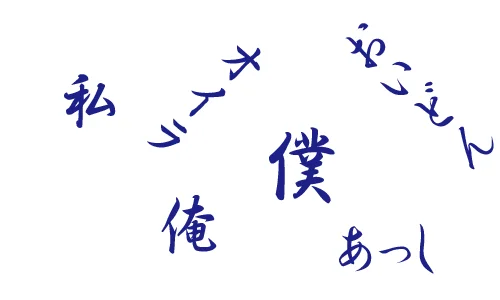
There is no single perfect reason to study Japanese. Some people begin because of anime, some because of work, some because of travel, and many stay with the language because it gradually changes how they see communication, culture, and their own discipline.
This list brings those motivations together in a practical way. Instead of pretending every reason matters equally, it shows how Japanese can reward curiosity, consistency, and long-term effort in very different parts of life.

Contents 5
Reasons that make Japanese rewarding from the start
- You gain access to a different worldview. Japanese expresses politeness, distance, and nuance in ways that do not map neatly onto English, so the language itself teaches you to notice context.
- The writing system feels like a real milestone. Learning hiragana and katakana gives you an early win, and every new kanji after that feels earned.
- Pronunciation is approachable. Japanese has a smaller sound inventory than many learners expect, which helps you start speaking earlier.
- Progress is visible. The moment you read a menu, a train sign, or a short social post without help, you feel the language becoming real.
- It turns passive fandom into active understanding. Instead of consuming translated fragments, you begin to understand how people actually phrase things.
- It teaches patience. Japanese rewards steady repetition more than brute force, which makes it a good language for building durable study habits.
- It makes listening more intentional. You stop hearing Japanese as a blur and start catching particles, sentence endings, and familiar patterns.
- You learn to value precision. Small shifts in wording can change tone, humility, or confidence, and that sharpens your attention.
- It gives structure to your curiosity. If you already like Japan, the language keeps that interest from staying superficial.
- It feels genuinely different from English. That difference is exactly what makes the process memorable instead of routine.
Even familiar expressions become richer once you know the language. A phrase like itadakimasu stops being a stock subtitle and starts carrying cultural weight.
Reasons tied to culture, stories, and media

- You experience anime and manga with less filtering. Jokes, honorifics, wordplay, and emotional tone land differently in the original language.
- You hear character voices more clearly. Speech patterns in Japanese reveal age, attitude, closeness, and personality in ways subtitles often flatten.
- You understand why some translations feel strange. Studying Japanese teaches you where cultural gaps appear and why literal translation often fails.
- You can enjoy songs beyond the chorus. Lyrics become more personal when you stop relying on rough fan translations.
- You get more from food culture. Menus, ingredient notes, regional dishes, and restaurant etiquette become easier to follow.
- You appreciate everyday customs with more depth. Set phrases, gift etiquette, and social rituals start making sense from the inside.
- You can read more than subtitles and summaries. Even a short article, product page, or interview opens a wider cultural window.
- It makes reading a long-term adventure. If you want to work toward novels, essays, or a light novel, Japanese gives you a clear path.
- You decode internet culture more accurately. Slang, abbreviations, and casual phrasing tell you a lot about how people actually interact online.
- It helps you understand untranslatable ideas. Social terms such as hikikomori carry more meaning when you know the language around them.
Reasons connected to study, work, and travel
- Travel becomes less transactional. Asking simple questions in Japanese often leads to warmer and more useful interactions.
- You handle practical situations with more confidence. Stations, hotels, forms, convenience stores, and small restaurants become less intimidating.
- It helps you study in Japan with less friction. Even intermediate Japanese makes daily life, paperwork, and local communication much easier.
- You stand out in a crowded field. Japanese is still far less common than English, Spanish, or French on a resume.
- It can complement work in tech, education, tourism, research, and media. Language skill alone is not a career, but it can strengthen an existing specialty.
- You understand business etiquette more naturally. Politeness levels, indirect phrasing, and meeting culture make more sense when you know the language.
- It improves your research range. You can compare English-language explanations with Japanese sources instead of depending on one side only.
- You can build friendships that do not depend on translation. Even imperfect Japanese shows respect and often changes the tone of a conversation.
- It helps with study-abroad and scholarship goals. Language ability gives you more options and helps you use them well once you arrive.
- You become more independent in Japan. The less you need to outsource every small task, the more confident and observant you become.
Japanese also opens doors to language-specific corners of the internet, from learning communities to interviews, local blogs, and niche hobby spaces that never get translated.
Reasons that sharpen your mind and study habits

- It trains your memory. Vocabulary, kanji, and sentence patterns give you constant low-stakes memory practice.
- It strengthens pattern recognition. You start noticing radicals, verb groups, sentence frames, and recurring structures everywhere.
- It encourages cognitive flexibility. Research on bilingualism often links language learning with stronger attention control and task switching.
- You learn to tolerate ambiguity. Japanese regularly asks you to infer the subject, mood, or relationship from context.
- It rewards consistency more than talent. That is motivating because steady effort usually beats bursts of enthusiasm.
- You build better listening discipline. To follow Japanese well, you learn to focus on rhythm, particles, and endings instead of isolated words.
- It improves your reading stamina. Working through unfamiliar text teaches you how to keep going without understanding every line immediately.
- You become more comfortable making mistakes in public. That matters in any skill, not only language learning.
- It gives you a measurable long-term project. JLPT goals, reading targets, and conversation milestones make progress easier to track.
- It reconnects study with curiosity. Japanese can feel demanding, but it rarely feels empty when the material interests you.
Small joys that keep people learning for years
- You notice details other learners miss. A shop sign, lyric, joke, or packaging line suddenly becomes readable.
- Japanese makes rewatching and rereading fun. The same series or song can feel new again once you understand more.
- You can explore humor more directly. Puns, deadpan delivery, and playful phrasing are much easier to appreciate from inside the language.
- You discover how rich everyday vocabulary is. Even common expressions can reveal social nuance, warmth, or restraint.
- You understand pop culture references faster. Memes, catchphrases, and recurring expressions stop feeling random.
- It helps you understand language attitudes in Japan. Dialects, politeness, and loanwords all tell stories about identity and change.
- You can enjoy learning words that do not have neat English twins. That includes social labels, emotional shades, and seasonal terms.
- It makes dictionaries interesting instead of intimidating. Looking up one word often leads you to five more worth learning.
- You build a skill that stays with you. Even after breaks, the language often comes back faster than expected.
- The process changes you. After enough time with Japanese, you usually become more observant, more patient, and more deliberate than when you started.
If you are still unsure, you do not need to commit to mastering everything at once. Start with kana, a few daily phrases, and material you genuinely enjoy. Japanese becomes much more sustainable when your reason is personal, specific, and strong enough to carry you through the slower weeks.
And if curiosity is what brought you here, that is already a good reason. Japanese is one of those languages that keeps rewarding learners long after the first spark wears off.







Community
Comments
0 comments
There are no published comments in this language yet.
Send comment