
Have you heard of Kofun (古墳)? This term means ancient tomb. These tombs, in particular, were made as graves for influential and high-ranking individuals in Ancient Japan.
This period lasted from the second half of the third century to the middle of the seventh century. These tombs are even considered great architectural works and are indications of the rise of a country with so many resources.
Contents 4
Historical Context
The formation of the Japanese State occurred during the Kofun era (250-538 AD). This period has a name that literally means "tombs" because it was during this time that several tombs in different shapes were constructed, which eventually expanded.
During this period, it is estimated that more than 160,000 Kofun were built, according to data from UNESCO (United Nations Educational, Scientific and Cultural Organization).
The Kofun period is characterized by a Shinto culture that existed before the introduction of Buddhism. These influences also affected the construction of the tombs in some way.
Structure and Characteristics
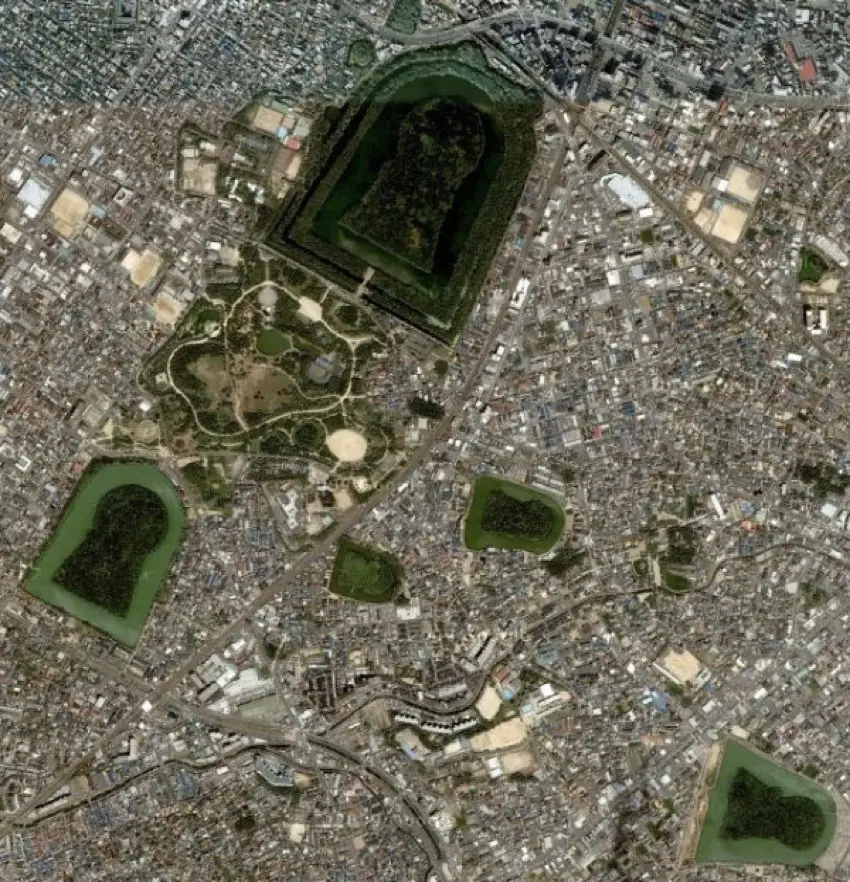
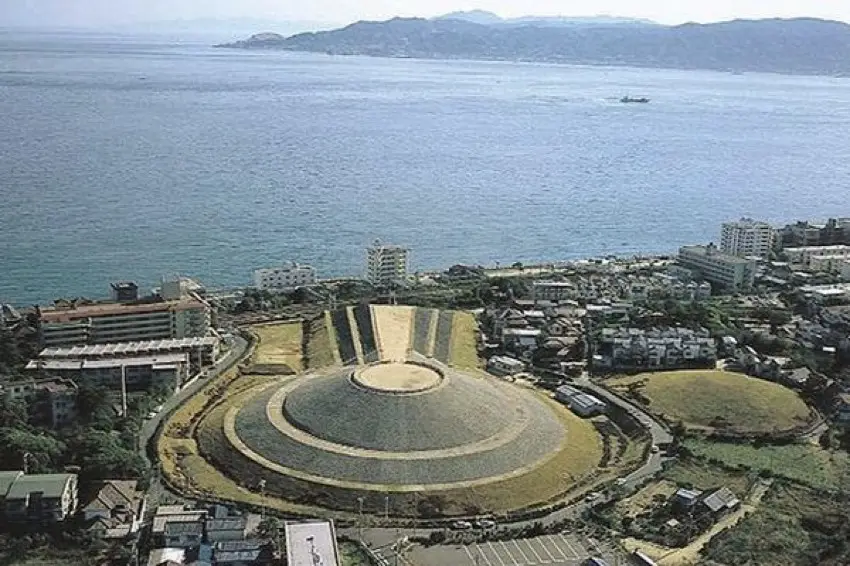
The Kofun had different shapes, the first was circular (円墳), then rectangular (前方後方), square (方墳), and the most well-known is the Kofun in the shape of a keyhole (前方後円).
The latter has a square front and a rounded back. But it is not the only one with this shape; however, it is the largest. The keyhole-shaped Kofun is named Daisen Kofun, a tomb dedicated to Emperor Nintoku (仁徳天皇), who was the 16th Emperor of Japan.
The tomb in honor of the emperor ranks first among the three largest in the world. Next is the Mausoleum of the first emperor Qin in China, and third is the Great Pyramid of Giza in Egypt.
Shinto Influence
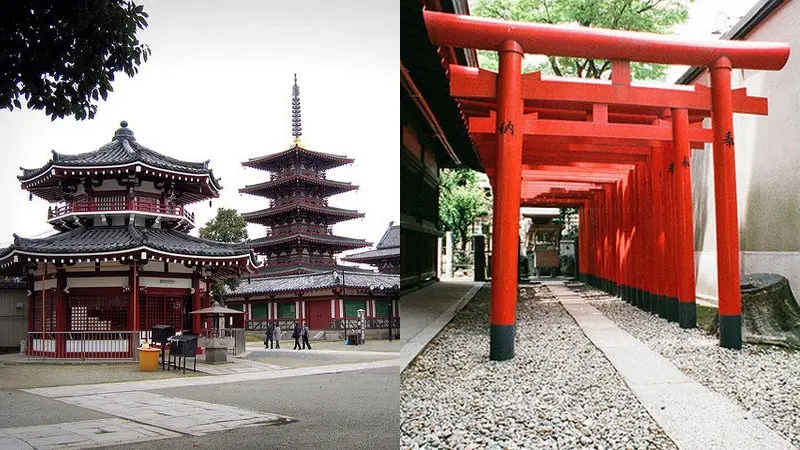
Shintoism is closely linked to Japanese society and culture. Shinto has no founder, no official sacred writings, and no fixed creeds, but it has preserved its main beliefs and rituals over time, including those directed at the dead.
At the beginning of the construction of Japanese culture as it is today, there was a significant influence regarding very specific ceremonies and rituals, among them rituals for the dead.
These rituals became more organized as more followers appeared, and thus Shintoism was born.
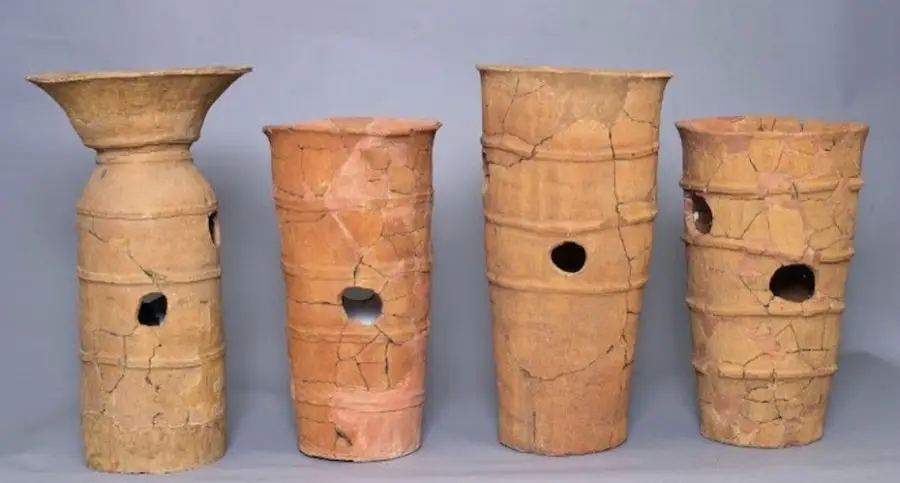
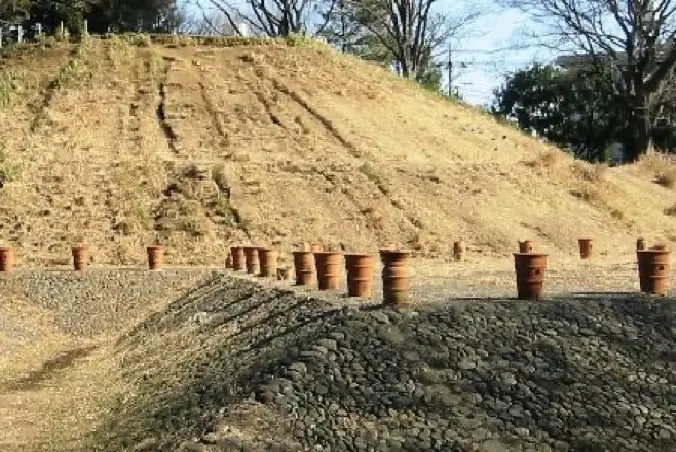
Some common practices in these rituals included the use of Haniwa (埴輪), which were generally buried with the dead as funerary objects.
To make the Haniwa, the wazumi technique is used, which consists of mounds of clay that are rolled, shaped, and stacked to create the figure, layer by layer.
These Haniwa could take the shape of vases, people, and simply abstract forms. These small sculptures were placed around and on top of the tombs to mark and protect the sacred area. After the burial was completed, these objects were burned within the marked area.
The Kofun culture was more prominent during this Shinto period in Japanese history. However, Shintoism came to an end around the seventh century, which opened the doors for the entry of Buddhism.
One of the Buddhist beliefs relates to the transience of life, which teaches that "Everything is impermanent." In other words, everything that is born has a phase of death.
This idea prohibited the construction of Kofun in 646, by Emperor Kōtoku. But in any case, the practice of tombs also fell out of use due to the increased use of cremation.
They did not have much 'attachment,' so to speak, to the person who had already died; it was seen merely as something natural and inevitable.
Ancient peoples had the habit of glorifying themselves, believing they would always be remembered even after their death. Therefore, these tombs were highly valued.
The Kofun served to preserve the memory of important personalities, so these elaborately constructed sites served to ensure that the stories of these people would not fall into oblivion.
Keyhole Tombs
The largest tomb is the Daisen Kofun, as the keyhole-shaped tomb is called, was developed in the fifth century around the year 399 BC and is located in the city of Sakai, Osaka Prefecture.
The total length of this unusual tomb is 486 meters and 36 meters high. The area is well wooded, and when observed closely, it resembles irregular hills.
The concern to build in higher places was a factor taken into consideration.

However, it is only possible to have a good view of the keyhole shape with a drone or seen from some other way from above, to get an overall view.
The oldest tomb that has the same shape is the Hashihaka Kofun, located in the Makimuku district, in Sakurai, Nara Prefecture.
This tomb was built at the end of the third century and is 280 meters long. It is still not possible to state with complete certainty, but it probably belongs to Himiko (the shaman queen of Yamatai in ancient Japan) or her successor Iyo.
Although there are tombs of various shapes, the keyhole shape is the most common. This shape appeared between the third and seventh centuries. This shape evokes the idea of power and authority.
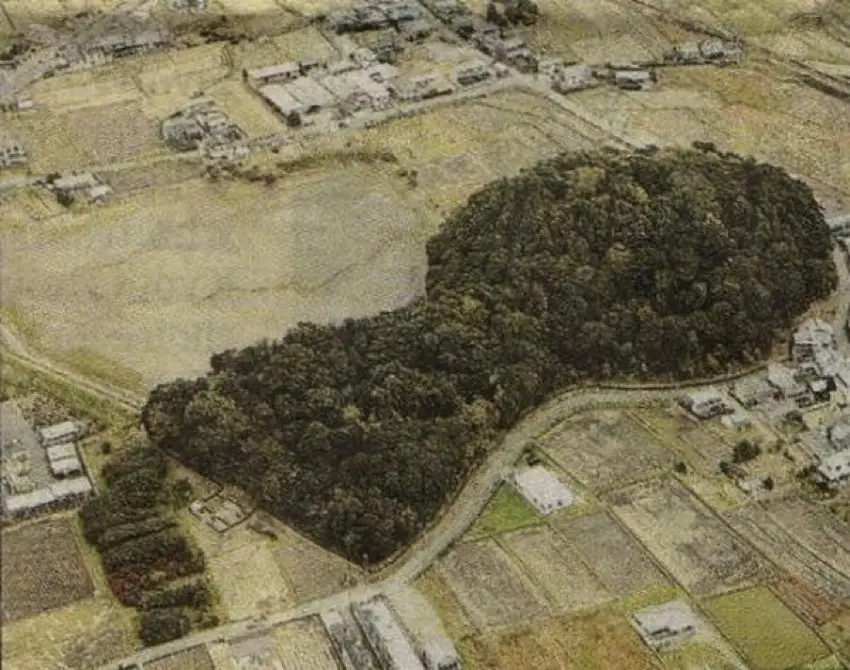
The rounded part is where the coffins are located, and the square part was where the rituals took place.
These keyhole shapes have been found in photos of Mars released by NASA. A team of researchers spent 3 years studying to understand the formation of this hole, which they believe is so perfect that it cannot be due to natural erosion.
When looking for terrestrial references for the opening, the only similarity was with these tombs from the Kofun period.
So, what do you think? Do these two images have a connection or is it just a coincidence?


Community
Comments
0 comments
There are no published comments in this language yet.
Send comment