
Did you know that the Japanese language loves onomatopoeias? Want to know all the onomatopoeias used in Japan? In this article, we will see more than 500 sounds made with words in the Japanese language.
Unlike many Western languages, onomatopoeias are very important and frequent in the Japanese language. They are used much more than in any other language.
Onomatopoeias can be written in both hiragana and katakana. They are also commonly used in informal phrases and everyday conversations. It is not considered childish or unusual to speak, but it is part of the Japanese vocabulary and daily life.
The Japanese can use the inherited version from foreign languages “onomatope” [オノマトペ]. Onomatopoeias in Japanese are divided into 5 categories; we will examine each of them and see a list of each.
We also recommend reading:
- KANA: Definitive Guide to Hiragana and Katakana – Japanese Alphabet
- Similar Katakanas – シ ツ / ツツ e ノ
- Types of Anime Characters
Table of Contents
Types of Japanese Onomatopoeias
Japanese onomatopoeias are separated into different categories that we will see throughout the article. Some of them are:
- Giongo: Sounds made by non-living things, like cars or the wind.
- Gitaigo: Sounds that describe states of being, like feeling sweaty.
- Giseigo: Sounds of living beings, like people and animals.
- Giyougo: Sounds that express descriptive movement.
- Gijougo: Describes feelings, like a shiver down the spine.
In addition to always being written in “hiragana,” onomatopoeias also tend to follow a pattern that helps identify them. The patterns are:
- Double Form – The word is usually repeated [ワクワク].
- Form と – Represents a short and quick sound [ハット];
- Form り – Represents a slow and soft sound [のそり];
It is worth remembering that katakana is always used when we want to give more emphasis to the sound of something. It is common, for example, for manga authors to express sound using katakana; there is no rule for this.
There are some onomatopoeias with ideograms, but they are rarely used, and when used, they may be written with kana. An example is “sansan” [燦燦] which means bright, sunlight.
We also recommend reading:
- What does Nico Nico nii mean? Why did it go viral?
- The most beautiful and charming characters in anime
- What Does Ara Ara Mean?

Giseigo [擬声語]
The onomatopoeias called “giseigo” refer to the sounds that people and animals make. Below are some onomatopoeias in Japanese:
Animal Noises
| Animal | Kana | Romaji |
|---|---|---|
| Bird | ピチュピチュ | Pichu pichu |
| Cat | ニャン | nyan |
| Cow | モーモー | mōmō |
| Crow | カーカー | kākā |
| Dog | ワンワン | wan wan |
| Duck | がーがー | ga- ga- |
| Frog | ゲロゲロ | gerogero |
| Monkey | キャキャ | kyakya |
| Pig | ブーブー | būbū |
Other Sounds
| Sound | Kana | Romaji |
|---|---|---|
| Chewing | むしゃむしゃ | Musha musha |
| Stomach ache | ごろごろ | Goro goro |
| Speaking quickly | ペラペラ | Pera pera |
| Heart beating | ドキドキ | Doki Doki |
| Baby crawling | はいはい | Hai hai |
| Staggering | ふらふら | Fura fura |
| Noise footsteps | ばたばた | Bata bata |
| Sneezing | はくしゅん | Hakushun |
| Opening and closing mouth | パクパク | Paku Paku |
| Dragging feet | ズルズル | Zuru Zuru |
| Crowd noise | ガヤ ガヤ | Gaya gaya |
| Jumping | ぴょん ぴょん | Pyon pyon |
| Napping | うとうと | Uto uto |
| Clapping | パチパチ | Pachi Pachi |
| Yawning | フワア | Fuwaa |
| Rolling | グルグル | Guru guru |
| Hiccuping | ひくひく | Hiku hiku |
| Coughing | ごほごほ | Goho goho |
| Blurred vision | しょぼしょぼ | Shobo shobo |
| Stomach growling | ペコペコ | Peko peko |
| Eating ramen | するずる | Zuru zuru |
| Making noise | ゲラゲラ | Gera gera |

Giongo [擬音語]
Noises that are not covered by giseigo. Sound effects, like the wind blowing, an explosion, or precipitation.
Action Noises
| Action | Kana | Romaji |
|---|---|---|
| Explosion | どん | don |
| Screech | きい | kii |
| Sparkle | ぴかぴか | pika-pika |
| Heartbeat | どきどき | doki-doki |
| Knocking on the door | どんどん | don-don |
| Silence | しいん | shiin |
Food Sounds
| Action | Kana | Romaji |
|---|---|---|
| Crunch | ピリピリ | piri piri |
| Lick | ペロペロ | pero pero |
| Full stomach | パンパン | pan pan |
| Swallow | コグコグ | kogu kogu |
| Chomp; Munch | パクパク | paku paku |
| Chewing noisily | ズーズー | Zūzū |
| Swallowing | ごくごく | gokugoku |
Nature Sounds
| Action | Noise | Romaji |
|---|---|---|
| Pouring rain | ザーザー | Zāzā |
| Rain | パラパラ | parapara |
| Wind | ぴゅう | pyuu |
| Heat | かんかん | kankan |
| Thunder | ごろごろ | gorogoro |
Gitaigo [擬態語]
Onomatopoeias “gitaigo” are words that describe actions and emotions that do not necessarily make noises. They describe more abstract things like a facial expression or a feeling.
Some technically do not consider gitaigo as onomatopoeia, but rather a type of mime conducted with words. The onomatopoeias Gijougo and Giyougo fall within this category.
See some examples below:
Feelings
| Sound | Kana | Romaji |
|---|---|---|
| Fuming with anger | いらいら | iraira |
| Brooding | くよくよ | kuyokuyo |
| Hesitant / bland | うじうじ | uji uji |
| Being angry | プンプン | Punpun |
| Impatience | じりじり | jirijiri |
Qualities
| Sound | Kana | Romaji |
|---|---|---|
| Noisy; rattling; hoarse | ガラガラ | garagara |
| Methodical | きびきび | kibikibi |
| Quickly | どんどん | dondon |
| Abundant / ample | タップリ | Tappuri |
| Carefree | ノウノウ | Nōnō |
Actions
| Sound | Kana | Romaji |
|---|---|---|
| Staring | マジマジ | Majimaji |
| Muttering; grumbling | ぶつぶつ | Butsubutsu |
| Chit-chat (especially from old ladies) | ぺちゃくちゃ | Pechakucha |
| Trembling; getting excited | ワクワク | Wakuwaku |
| Smiling / happy | ニコニコ | nikoniko |
| Isolated; mumbling | ポツリ | Potsuri |

Other Onomatopoeias in Japanese
Want more onomatopoeias? Then here you go!
| Sound | Kana | Romaji |
| Irritated | イライラ | Ira ira |
| Laughing | ほほほほ | Hohoho |
| Idle | ぶらぶら | Burabura |
| Exhausted | クタクタ | Kuta kuta |
| Staring | じろじろ | Jiro jiro |
| Distracted | うか うか | Uka uka |
| Laughing | ハハハ | hahaha |
| Soft crying | シクシク | Shiku shiku |
| Loud crying | ギャギャ | Gya gya |
| Sharp pain | きりきり | Kirikiri |
| Chuckling | クスクス | Kusu kusu |
| Laughing | へへへ | Hehehe |
| Laughing | ヒヒヒヒ | Hihihi |
| Laughing | フフフフ | Fufufufu |
Learning Onomatopoeias with Video
There are thousands of other onomatopoeias, an extensive list, but this is something you will discover in your daily life and interaction with Japanese people. Below is a video with more onomatopoeias and their sounds being performed:
Some of the onomatopoeias mentioned in the video:
- カツカツ – Shoe noise;
- がああ – Opening;
- チャリン – Putting a coin in the machine;
- こと – Putting shoes in the shoe rack;
- かちゃん – Opening door;
- パタパタ – Walking in socks;
- カタカタ – Typing on keyboards;
Onomatopoeias that end with [ん] are pronounced with a nasal sound, giving a feeling of “prolonged resonance” or rhythm. See some examples below:
- ごほん – a strong cough
- こんこん – something knocking on something
- じゃぶん – bubbling strongly
- ぼーん – an explosive fire bursting into flames
- しん – cold deeply penetrating your body
Onomatopoeias of Sound Effects
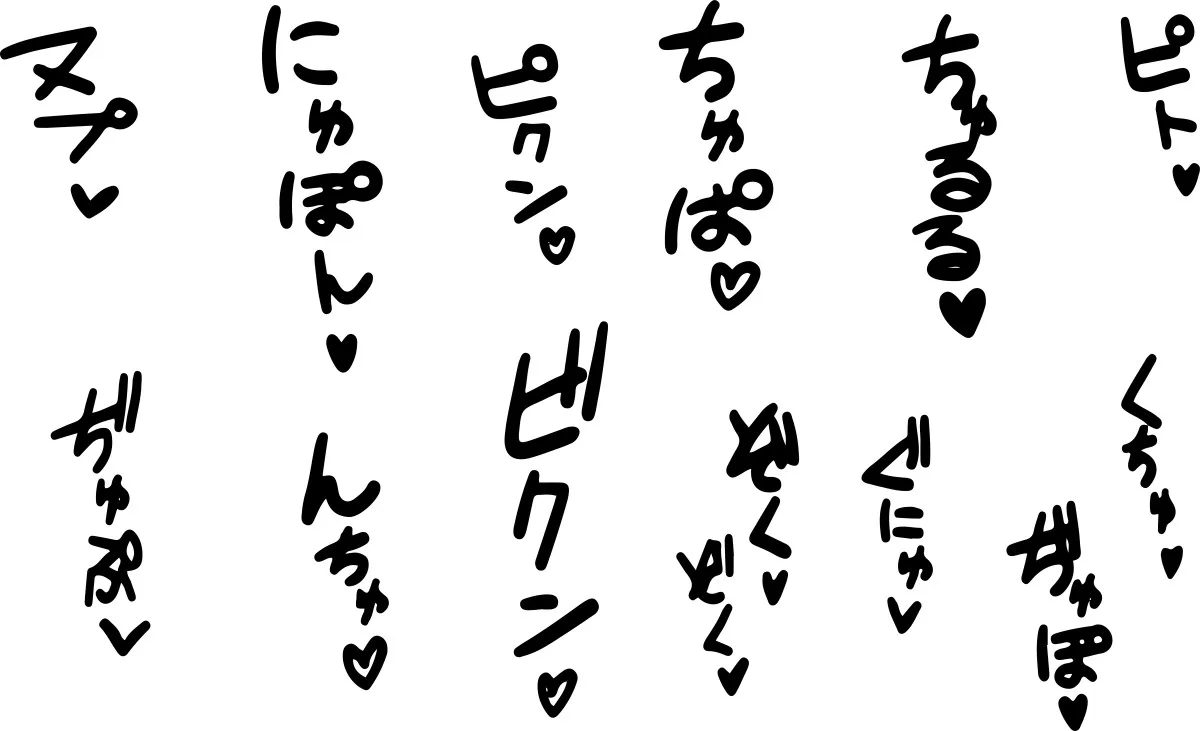
Onomatopoeias are endless and are often found in sound effects in manga. Artists even end up inventing sounds using words, so it is something without limits.
To finish, we will leave another list of Onomatopoeias, but this time focusing on common sound effects in manga:
- ギャア – aaaah!
- キャア – aaah!
- ハックション – achoo
- あははは – ahahaha
- ラブラブ – love
- ゲッソリ – to shoot
- メエメエ – baa
- バキ – thud (sound of a hit)
- ガシャンッ – crash
- どきっ – thump (heartbeat)
- ブチュー – kiss
- ピピピピピ – beep beep
- ベラベラ – blah blah
- ピョンピョン – boing-boing
- ブクブク – bubble
- ブルブル – brrrr (shivering from cold)
- ブフーツ – puffing
- どっかーん – boom!
- ビリビリ – bzzzt
- ジュージュー – sizzling
- チチチ – chirping
- グラグラ – rattling
- ザー – heavy rain
- ガタンガトン – clack-clack
- カタカタ – click-click
- カリ – crunchy / crispy
- ズウウウウン – depressed/condemned
- チン – ding
- ジリリリリ – Ding Ding
- ピンポン or ぴんぽん – ding dong
- キリキリ – stabbing pain
- どろ どろ – dripping
- グチャ – squish
- キラキラ – sparkling
- カチカチ – snap
- ドーン – bang
- ガガガ – bang/ratatat
- ハタハタ – flutter
- バラバラ – flutter
- サワサワ – rustling
- ぐにゃり – bend
- ちらほら – float / drift
- ふわふわ – fluffy
- ポ キッ – pop
- ゴクゴク – gulp
- ぐうきゅるるる – gurgle/stomach growling
- ぼたぼた – dripping dripping
- ホホホ – hahaha
- ニヤニヤ – heh heh
- もじもじ – fidgeting
- ハラハラ – anxious
- ピカッ – instant
- こちょこちょ – tickle
- コロ コロ – roll
- ガツガツ – munch
- もぐもぐ – munch
- にゃあ – Meow
- ギリギリ – grind
- びしょびしょ – wet
- ブツブツ – mutter
- もおー – moo
- ちゅっ – mwha (kiss)
- イヤア – no (shouted)
- ブヒブヒ – oink-oink
- ちらっ – glance
- じーっ – staring
- キキー – oohoohahah (monkey)
- おっとっと – oops
- ダダダダ – feet running
- ペこペこ – person bowing
- ソロリソロリ – tiptoe
- だらだら – lazy
- ヒリヒリ – throb
- カサカサ – burn (as in sunburn)
- バキッ – crack
- チュウチュウ – squeak
- ガ ー – whirl
- ヒヒーン – neigh/neighing
- ピチャン – splash
- グルルグルル – purring
- がおー – growl
- シワシワ – wrinkles
- ガチガチ – shake
- カラカラ – dry
- コスコス – secretly
- ちょこんっ – silence
- フーツ – whistle
- ブカブカ – loose / baggy
- ニヤニアヤ – ironic smile
- ちゅるちゅる – slurp
- コト – clink
- ドンドン – knock knock
- ぐるぐる – dizzy
- ズズウウ – sip
- ゾクゾク – shiver
- バリバリ – crush
- コケッ – trip
- バタバタ – wowww!
- ヒュオオオオオ – howl
- べたべた – stick (as in sticky)
- ブロロロロ – vroom / zoom
- パタパタ – whooooosh
- ボー – woosh
- パチッ – zap/zzzt
- ブーン – buzz
- こっくり – zzzz
You have learned all the onomatopoeias! If you want to learn more Japanese, keep following our site and sharing with friends.
Leave a Reply