

Have you ever stopped to think about how the Japanese converse? What are their dialogues like? Each language has its own way of communication. Japanese is a very original language; many people think that the Japanese are particularly polite because of this. In today's article, we will look at some factors that show how the dialogues of the Japanese are original.
Contents 7
No Swear Words
There are no swear words or sexual slang in most Japanese dialogues. In reality, there are almost no swear words in Japanese; there are some insults like: idiot, die, shit, crazy, etc. There are also immoral conversations like jokes known as shimoneta (下ネタ). But for the most part, Japanese dialogues are pure, polite, and free of any immorality or insult.
In Japanese, there are various slang, abbreviations, and nicknames, but most of them are polite and respectful. To turn the case around, even a way of saying you (teme) can become an insult in the language.
San, Kun, Chan
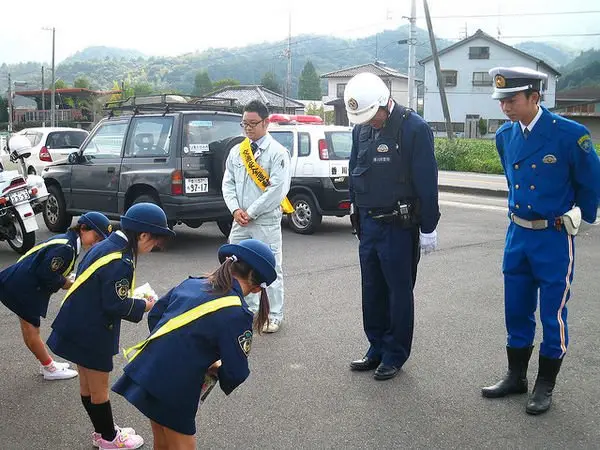
The Japanese use honorific suffixes after names as a sign of respect, just like Mr. or Mrs. in Portuguese. However, the Japanese always use this; it is disrespectful not to use a suffix after a name. See an article that talks more about these honorific suffixes.
How are you?
Japanese people do not usually ask every time they meet someone "ogenki desuka"; sometimes a simple greeting is more than enough.

Yes or No?
In casual Japanese conversations, yes is un (うん), and no is uun (ううん). Hai and iie are formal. The casual yes and no are very similar, and this can end up confusing some people; you must pay close attention to how the person is speaking.
Keigo
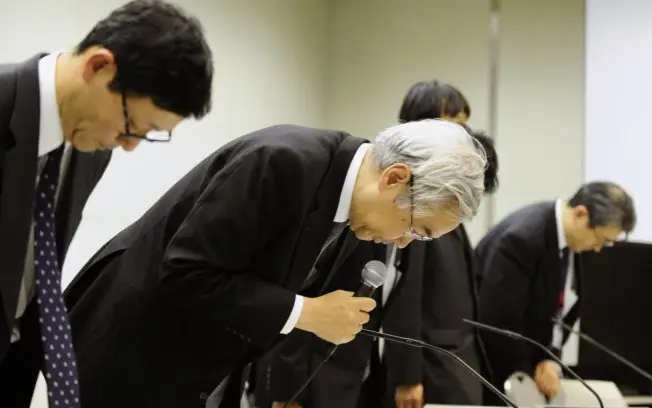
One of the things that differentiates the Japanese language from the rest is its formality. Keigo refers to levels of formal conversations. Keigo is divided into 3 categories: Polite, Respectful, and Humble. There is a different way of speaking for each occasion or class of people.
Similar Words
Japanese is full of similar words making it quite difficult to understand the language, and causing a conversation in Japanese to be amusing to foreign eyes.
Meaningless Words
The Japanese often say words that do have a meaning but that we in our language would not say. Some words for us are something that if we say will seem childish and simple. But really, the Japanese language is simple, using onomatopoeias in formal conversations, or repeating a word to indicate another. These are small things that make the language strange to the eyes of foreign students.
There are several other factors that we notice when studying Japanese. Comment here on a factor that catches your attention the most.




Community
Comments
0 comments
There are no published comments in this language yet.
Send comment