
Japanese sandwiches, usually called sando, show how Japan takes familiar foods and refines them through texture, balance and presentation. Some are quick konbini staples, while others are bakery specialties that look almost too neat to eat.
What makes them stand out is not size or excess. It is the care given to soft bread, clean cuts, balanced fillings and the way each sandwich is built to feel light but satisfying.
Contents 12
What makes Japanese sandwiches different?
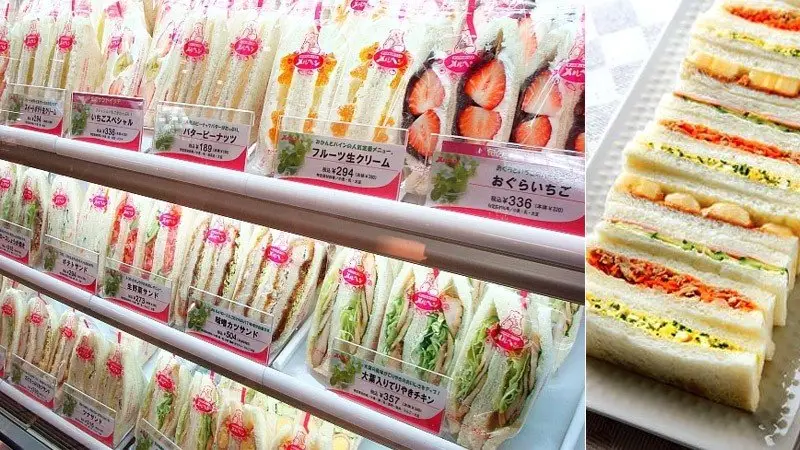
Most start with shokupan, the soft milk bread known for its gentle sweetness and tender crumb. Crusts are often removed, the filling is spread evenly and the cross-section matters almost as much as the taste.
You can find simple everyday versions in konbini convenience stores, but kissaten cafes, bakeries and specialty counters usually offer more elaborate takes.
Popular savory Japanese sandwiches
Tamago sando
Tamago sando is the sandwich many visitors remember first. It uses a creamy egg filling, very soft bread and a restrained flavor profile that lets the eggs and bread do most of the work. Good versions feel rich without becoming heavy.
Katsu sando
Katsu sando pairs shokupan with a breaded cutlet, usually pork, plus tonkatsu sauce and sometimes shredded cabbage. It can appear as everyday comfort food or as a premium snack when made with thicker cuts and a cleaner finish.
Yakisoba pan
Yakisoba pan is one of Japan's most playful bread combinations: stir-fried noodles tucked inside a bun. It sounds odd at first, but the contrast between savory noodles, sauce and soft bread makes perfect sense once you try it.
Koppe pan
Koppe pan uses a long, soft roll that can be filled with croquettes, egg salad, jam, cream or other simple combinations. It is a school-lunch classic and a reminder that Japanese sandwiches are tied to daily life, not only to trend-driven food culture.

Popular sweet Japanese sandwiches
Fruit sando
Fruit sando is one of the best-known sweet versions. Fresh fruit, lightly sweet whipped cream and milk bread create a dessert that looks precise, colorful and surprisingly delicate instead of overly sugary.
Mixed fruit and cream sandwiches
Shops often rotate fillings with strawberries, kiwi, mandarin, melon or seasonal combinations. The visual arrangement matters here: the fruit is placed so the cut surface looks clean and appealing.
Other sweet fillings
Some bakeries move beyond fruit and use red bean paste, custard or chocolate cream. Not every sweet bread in Japan is a strict sandwich, but many follow the same idea of softness, symmetry and tidy presentation.

Where to try Japanese sandwiches in Japan
If you want a reliable first taste, start with a konbini tamago sando. After that, look for bakery counters with katsu sando, fruit parlors known for fruit sando and neighborhood shops selling koppe pan or seasonal specialties.
The easiest way to judge a good Japanese sandwich is simple: the bread should feel soft, the filling should stay balanced and the cut surface should look intentional rather than overloaded.
Why Japanese sandwiches stand out
Japanese sandwiches are memorable because they turn ordinary ingredients into something more precise. Bread texture, portion size, visual balance and filling control all matter, which is why even a simple egg sandwich in Japan can feel more distinctive than a larger sandwich elsewhere.





Community
Comments
0 comments
There are no published comments in this language yet.
Send comment