
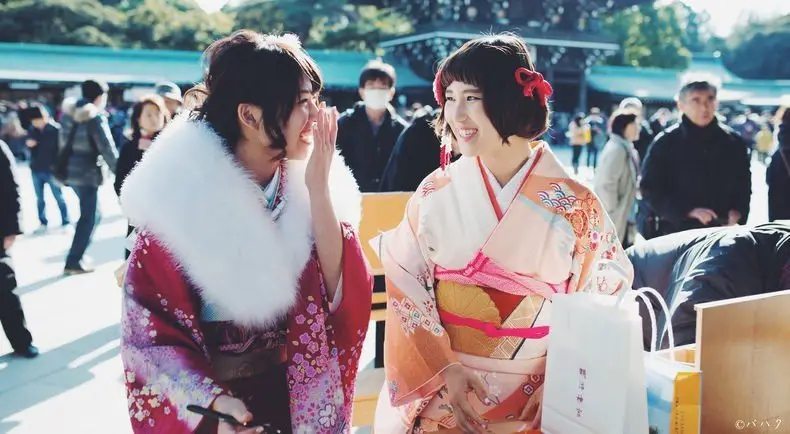
A kimono is Japan's traditional wrapped garment: a T-shaped outfit made from straight panels of fabric, crossed over the body and secured with an obi. The word is familiar worldwide, yet it covers far more than a single ceremonial costume. Fabric, sleeve length, pattern, family crests and accessories all help signal the occasion.
Today most people in Japan wear Western clothes day to day, but kimono remain part of weddings, coming-of-age ceremonies, graduations, tea gatherings, funerals, traditional arts and seasonal events. This guide explains what the garment is, how it differs from a yukata, and why the right kimono depends on context.
Contents 9
What does kimono mean?
Kimono is written 着物: ki (to wear) and mono (thing). In earlier usage, it could mean clothing in a broad sense. As Western dress became everyday wear in the Meiji era and after, the word became more closely associated with traditional Japanese clothing.
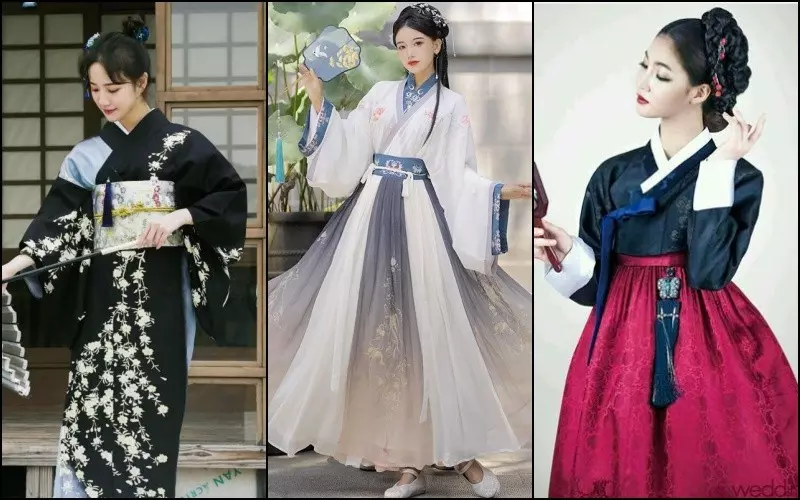
That history explains a common source of confusion. A kimono is not a generic name for every East Asian traditional garment. China's hanfu and Korea's hanbok have their own histories, construction and dress customs. They may share some visual traits, but they are not interchangeable names.
How a kimono is put together
The familiar silhouette comes from rectangular fabric panels rather than a close-fitted Western cut. The collar is the eri, the sleeves are sode, and the wide sash is the obi. A formal outfit may also include an under-kimono called nagajuban, ties, a decorative collar, socks called tabi, and footwear.
Kimono are normally wrapped with the left side over the right. Reversing that order has a specific funerary association in Japan, so it is worth learning before dressing for an event. Details vary by region, school and occasion; a rental shop or dresser can help when the setting calls for formal attire.
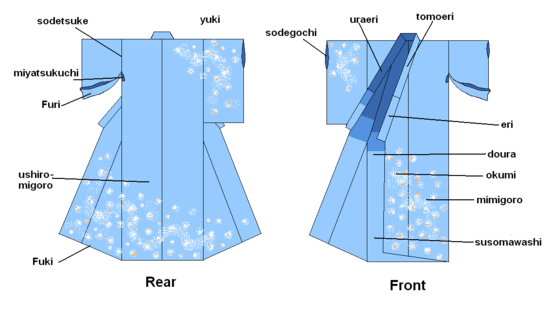
The kamon, or family crest, is another useful clue. One or more crests can raise the formality of a garment, so the pattern alone never tells the whole story.
Kimono is not a martial arts uniform
In Portuguese and in some martial arts communities, the training uniform is often called a kimono. In Japanese, a judo, karate or jiu-jitsu uniform is usually discussed as a dōgi or keikogi, depending on the art. It may be wrapped and belted, but its heavy fabric and practical cut serve training rather than kimono dress conventions.
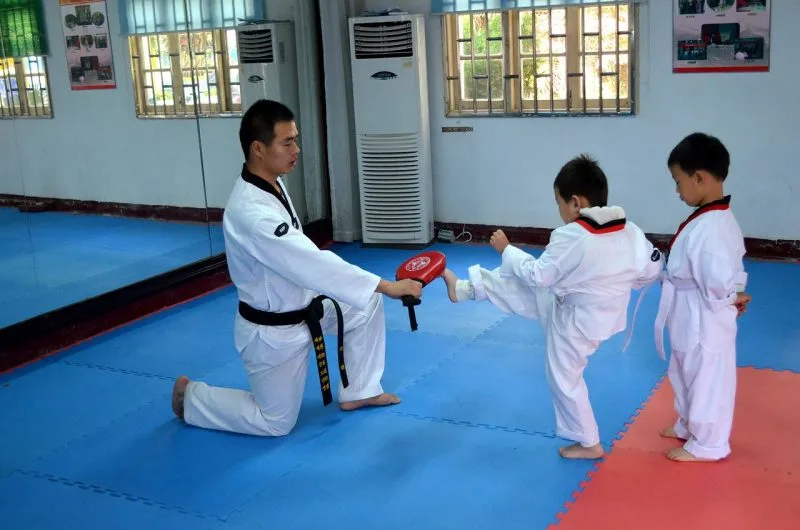
For another view of clothing used in Japanese disciplines, see Japanese martial arts.
Common types of kimono
There is no single best kimono. The appropriate choice depends on formality, season, age, personal circumstances and the event. These names are a useful starting point, not a substitute for a host's dress code.
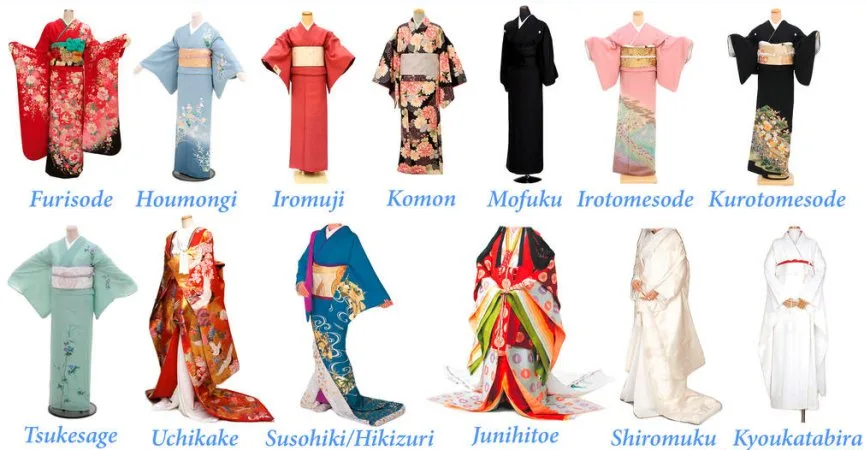
- Furisode (振袖): a highly formal style with long swinging sleeves, commonly associated with young unmarried women and events such as the coming-of-age ceremony.
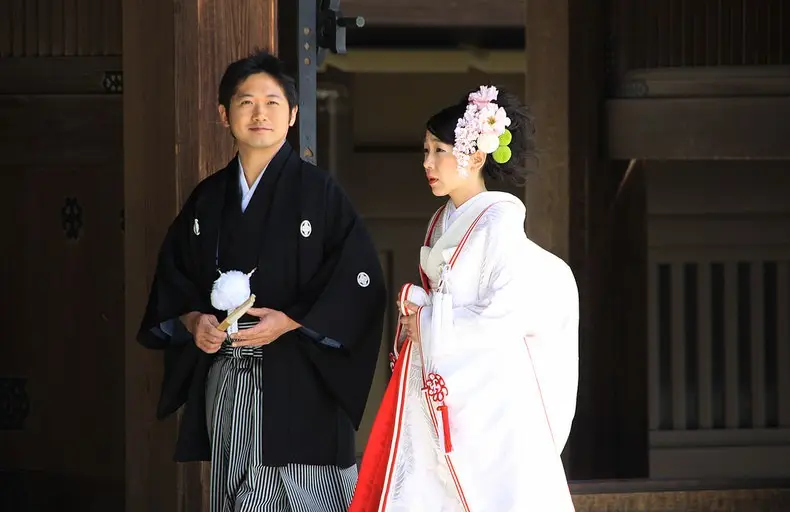
- Tomesode (留袖): a formal kimono often seen at weddings. Kurotomesode is black, while irotomesode uses colors other than black; family crests and patterns help determine formality.
- Hōmongi (訪問着) and tsukesage (付下げ): patterned styles used for visits, parties and semi-formal occasions. The placement and continuity of their designs differ.
- Iromuji (色無地): a single-color kimono that can suit occasions such as tea gatherings, depending on the fabric and crests.
- Komon (小紋): a more casual patterned kimono for outings and informal social settings.
Men's kimono often use more restrained colors and patterns. For particularly formal settings, a man may combine a kimono with haori, a short jacket, and hakama, the pleated garment worn over the lower half of the outfit.
Kimono versus yukata
A yukata (浴衣) is a lighter, more casual garment in the kimono family. It is commonly made for warm weather, uses fewer layers and is familiar at summer festivals, fireworks displays, hot-spring inns and casual outings. A formal kimono is usually more structured, may require more layers and is chosen with stricter rules about fabric, motifs and accessories.
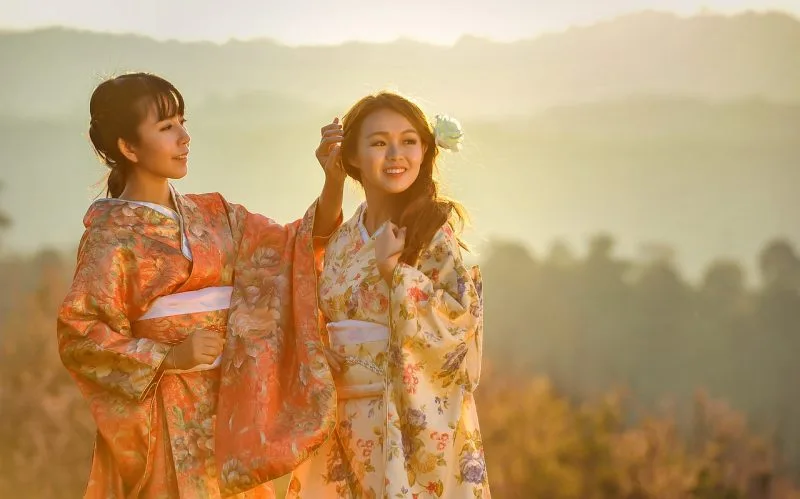
The distinction matters when packing for a trip or accepting an invitation. A yukata can be perfect for a matsuri or a stay in a ryokan, while a wedding, tea event or formal photograph may call for a different garment. Our guide to Japanese yukata goes deeper into the summer style.
Accessories that complete the outfit
The obi is the visual center of many outfits, but it is not the only accessory. Koshihimo and other cords keep layers in place; kanzashi decorate the hair; and an eri-sugata can create the look of an extra collar. The choice is guided by the level of formality, not by adding as many ornaments as possible.
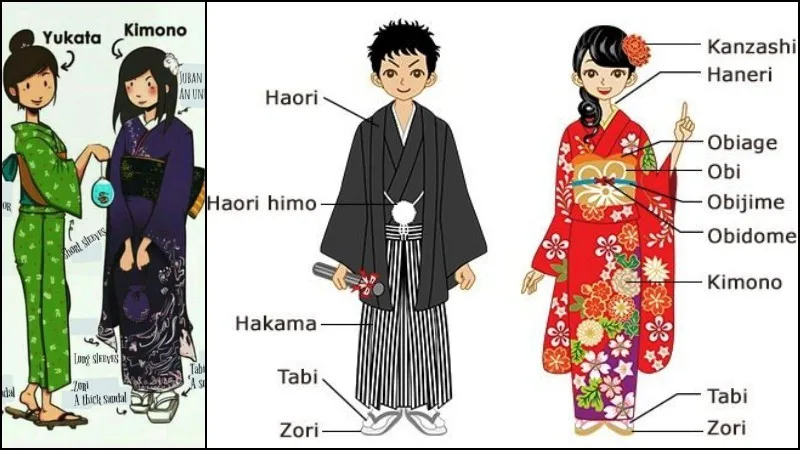
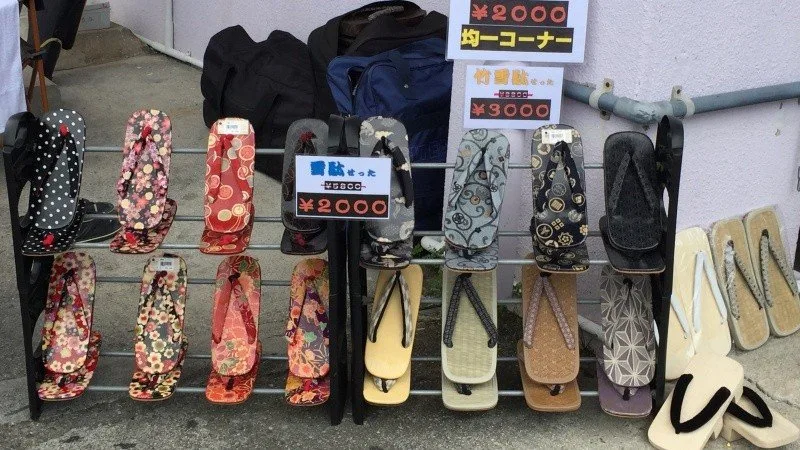
For footwear, zōri are sandals often paired with more formal kimono, while geta are wooden sandals frequently worn with yukata. Read more about zōri and geta; this guide to Japanese wooden geta shows why the two are not identical.
When do people wear kimono?
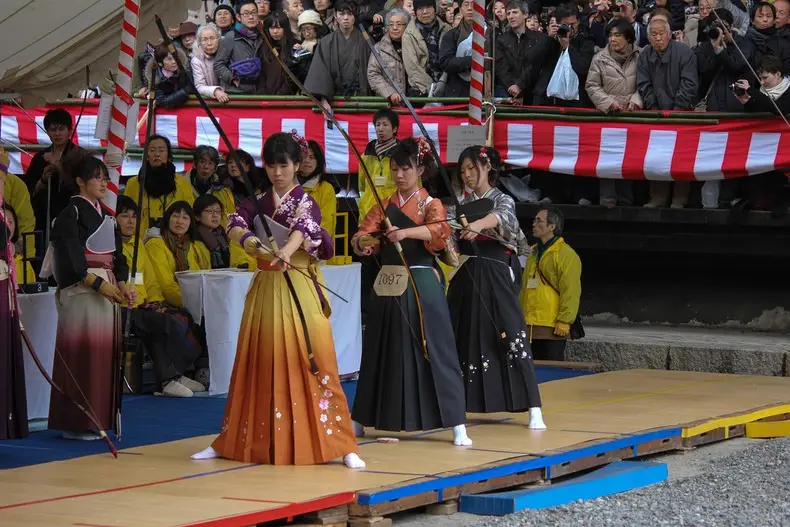
Kimono are still visible at life milestones and places where traditional dress adds formality. A furisode is familiar at Coming of Age Day celebrations; graduates may pair kimono with hakama; and families choose different formal styles for weddings. Funeral dress has its own conventions, so guests should follow the family's guidance rather than reuse a festive outfit.
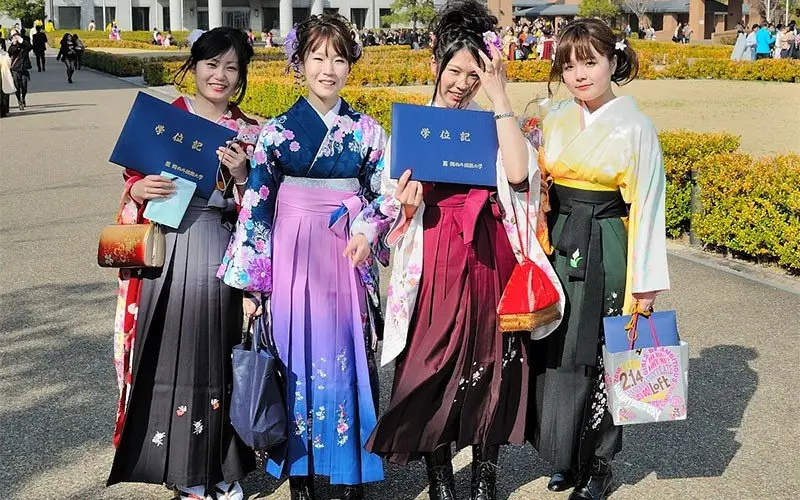
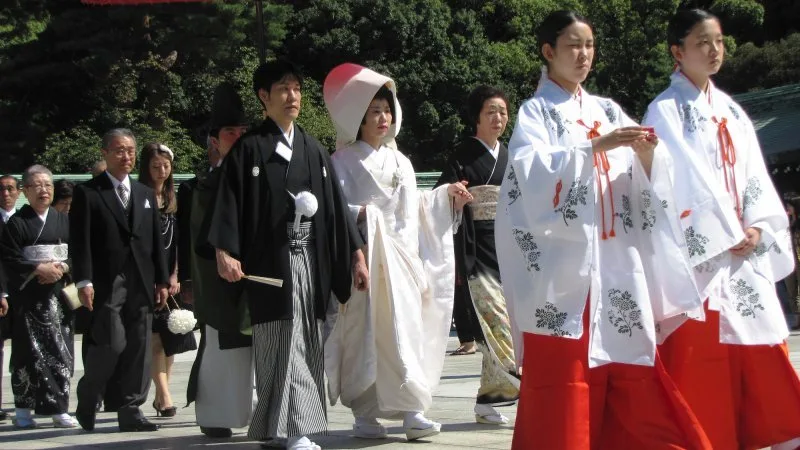
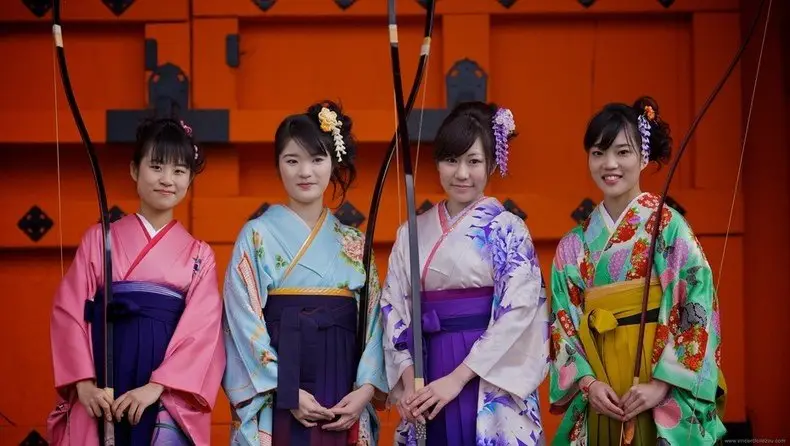
Traditional arts offer other occasions. Kimono and hakama can appear in kyūdō, the way of the bow, while tea, flower arrangement and stage arts may have their own expectations. The related articles on ikebana and hanami provide useful context for seasonal and cultural gatherings.
Patterns, season and personal taste
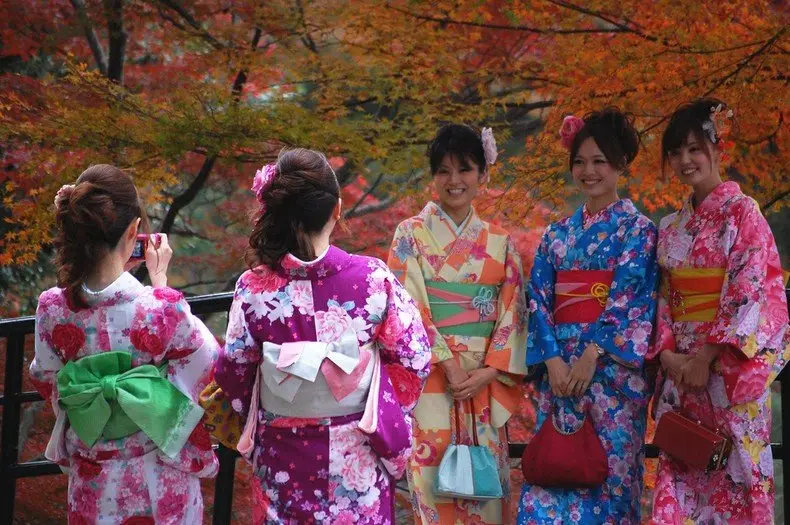
Kimono fabrics often carry seasonal motifs: plum and cherry blossoms for spring, waves and dragonflies for summer, maple leaves and chrysanthemums for autumn, or pine and snow imagery for winter. Cranes, turtles, fans and pine-bamboo-plum combinations can also convey celebratory wishes. A pattern is not a strict universal rule, but it is part of the conversation between garment and occasion.
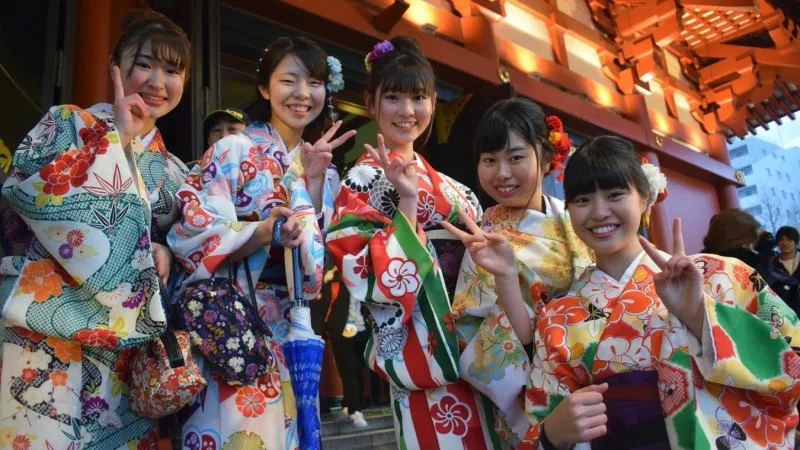
That attention to detail is one reason dressing can take time. A rental experience is a practical way for visitors to wear kimono without guessing at each layer. Choose a garment suited to the season, follow the dresser's guidance, and treat it as clothing with context rather than a costume.
Traditional craft, living clothing
Kimono are sometimes presented as if they belonged only to the past. In reality, they remain part of ceremonies, craft traditions, rental culture and personal wardrobes. Some people wear vintage pieces with contemporary accessories; others keep a formal outfit for family milestones. Both approaches can coexist with the care given to fabric, fit and occasion.
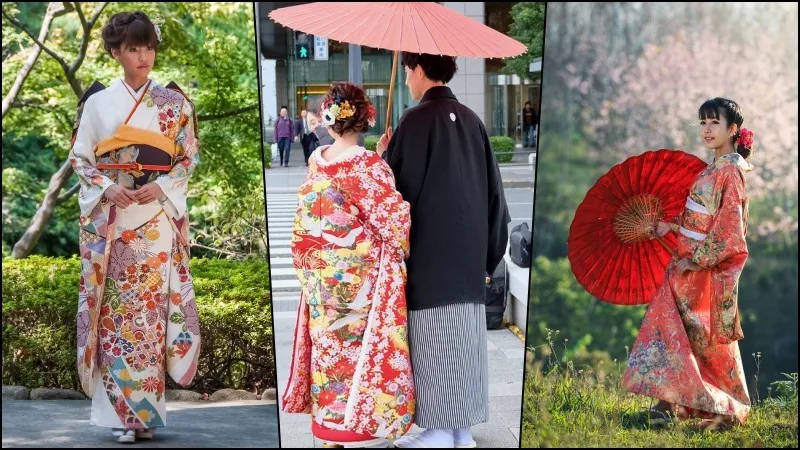
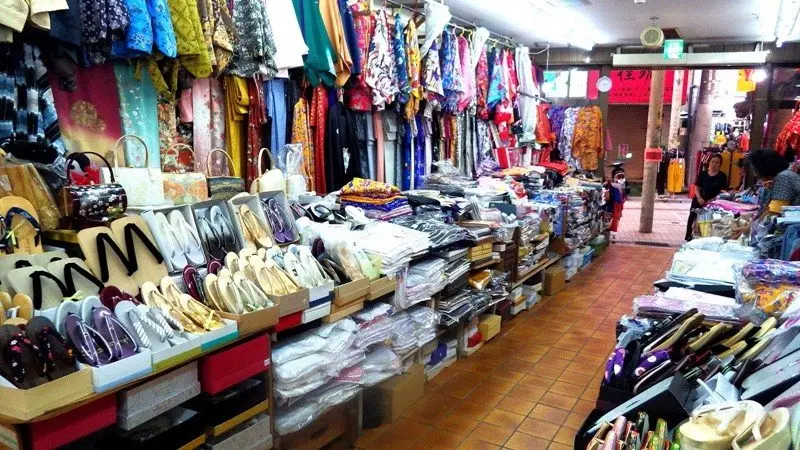
Whether you are learning the names, planning a festival visit or choosing what to wear for a ceremony, start with the occasion. That one question makes the differences between kimono, yukata, obi, hakama and accessories much easier to understand.


Community
Comments
0 comments
There are no published comments in this language yet.
Send comment