
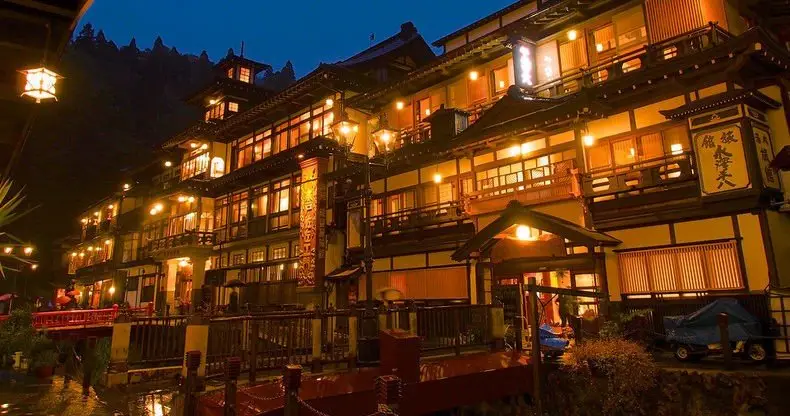
If you stay at a hotel or ryokan in Japan, a few short phrases can save time at the front desk and make the whole stay smoother. Big city hotels often have some English support, but smaller places, older inns, and budget stays may keep the conversation mostly in Japanese. That is why it helps to know the phrases you are most likely to use from check-in to check-out.
This guide focuses on practical Japanese hotel phrases, simple pronunciation, and the vocabulary that appears again and again during a stay. If you are still deciding where to stay, start with our guide to types of accommodation in Japan. If you want a broader travel base first, our lists of Japanese words for tourists and basic greetings also help.
Contents 6
Japanese hotel phrases for check-in
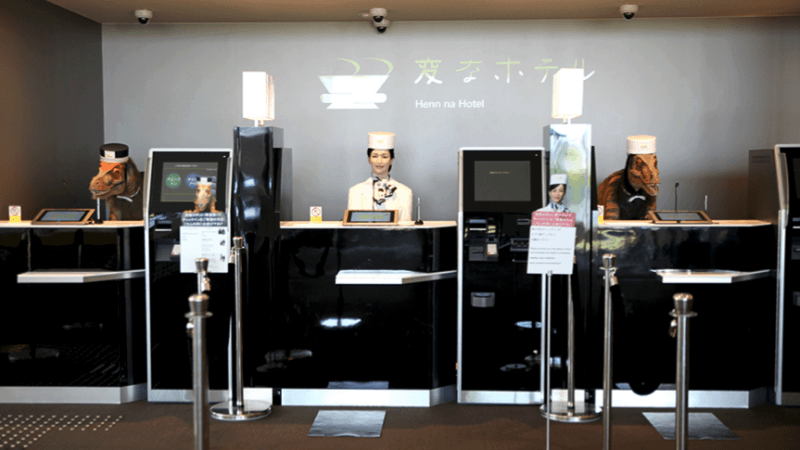
The first minutes at the front desk usually follow the same pattern: reservation, name, passport, payment, breakfast, and check-out time. You do not need long sentences. In many cases, one short phrase is enough.
- 予約しています。
Yoyaku shite imasu.
I have a reservation. - チェックインをお願いします。
Chekku in o onegai shimasu.
Check-in, please. - 名前は___です。
Namae wa ___ desu.
My name is ___. - パスポートです。
Pasupooto desu.
Here is my passport. - 朝食は付いていますか?
Choushoku wa tsuite imasu ka?
Is breakfast included? - チェックアウトは何時ですか?
Chekku auto wa nanji desu ka?
What time is check-out? - カードは使えますか?
Kaado wa tsukaemasu ka?
Can I pay by card? - この料金には税金とサービス料は含まれていますか?
Kono ryoukin ni wa zeikin to saabisu-ryou wa fukumarete imasu ka?
Does this rate include taxes and service fees? - 予約をしていませんが、今晩泊まれますか?
Yoyaku o shite imasen ga, konban tomaremasu ka?
I do not have a reservation. Can I stay tonight?
If you arrive early, do not assume the room will be ready. Japanese hotels often keep strict check-in hours, especially business hotels and ryokan. In that case, the most useful phrase is about luggage.
- 荷物を預けてもいいですか?
Nimotsu o azuketemo ii desu ka?
May I leave my luggage here?
Useful phrases during your stay
Once you are in the room, the next questions are usually practical: Wi-Fi, towels, breakfast time, a taxi, or one more night. These are the requests travelers actually use, so they matter more than a long list of rare expressions.
- Wi-Fiは使えますか?
Waifai wa tsukaemasu ka?
Can I use the Wi-Fi? - パスワードはありますか?
Pasuwaado wa arimasu ka?
Do you have the password? - タオルをお願いします。
Taoru o onegai shimasu.
Towels, please. - タクシーを呼んでいただけますか?
Takushii o yonde itadakemasu ka?
Could you call a taxi for me? - あと1泊できますか?
Ato ippaku dekimasu ka?
Can I stay one more night? - 領収書をお願いします。
Ryoushuusho o onegai shimasu.
A receipt, please. - キャンセル料はいくらですか?
Kyanseru-ryou wa ikura desu ka?
How much is the cancellation fee? - セーフティーボックスの使い方がわかりません。
Seefutii bokkusu no tsukaikata ga wakarimasen.
I do not know how to use the safe.
If you stay at a ryokan or at a hotel with a shared bath, one extra question becomes useful:
- 大浴場はどこですか?
Daiyokujou wa doko desu ka?
Where is the public bath?
If that part of the stay is new to you, our guide on how to bathe in a Japanese onsen helps you avoid the most common mistakes.
Phrases hotel staff may say to you
Understanding the staff matters as much as speaking. Even when your Japanese is limited, hearing a familiar phrase at the front desk helps you follow the situation without stress.
- パスポートをお預かりしてもよろしいでしょうか?
Pasupooto o oazukari shite mo yoroshii deshou ka?
May I take your passport? - こちらにご記入ください。
Kochira ni gokinyuu kudasai.
Please fill this out here. - お荷物はこちらでお預かりいたします。
Onimotsu wa kochira de oazukari itashimasu.
We will keep your luggage here. - ご滞在をお楽しみください。
Gotaizai o otanoshimi kudasai.
Enjoy your stay. - かしこまりました。
Kashikomarimashita.
Certainly. - 予約確認書はお持ちですか?
Yoyaku kakunin-sho wa omochi desu ka?
Do you have your reservation confirmation? - 外出の際は、鍵をフロントにお預けください。
Gaishutsu no sai wa, kagi o furonto ni oazuke kudasai.
Please leave your key at the front desk when you go out.
Hotel and ryokan vocabulary worth knowing
You do not need to memorize every hotel word in Japanese, but a few terms appear often on signs, forms, or quick explanations from staff. These are the ones that make a real difference.
- 鍵 (kagi) - key
- 朝食 (choushoku) - breakfast
- 金庫 (kinko) - safe
- 荷物 (nimotsu) - luggage
- 領収書 (ryoushuusho) - receipt
- 大浴場 (daiyokujou) - public bath
- 浴衣 (yukata) - light robe often provided by ryokan and some hotels
- フロント (furonto) - front desk
- 宿泊代 (shukuhakudai) - room charge or lodging cost
- 追加ベッド (tsuika beddo) - extra bed
- 毛布 (moufu) - blanket
- シャワー (shawaa) - shower
Video: hotel check-in and check-out in Japanese
If you prefer to hear these phrases before your trip, this lesson is a good quick review. It helps with rhythm, pronunciation, and the order in which the expressions appear at the front desk.
Final tip before your stay in Japan
You do not need perfect Japanese to handle a hotel stay well. Short, clear phrases work better than trying to build long sentences under pressure. Start with reservation, check-in, breakfast, Wi-Fi, luggage, and check-out time. Those cover most situations in hotels, hostels, and ryokan across Japan.
Once those basics feel natural, the stay becomes much less intimidating. Even a simple yoyaku shite imasu or chekku in o onegai shimasu can change the whole tone of the interaction.

Community
Comments
0 comments
There are no published comments in this language yet.
Send comment