
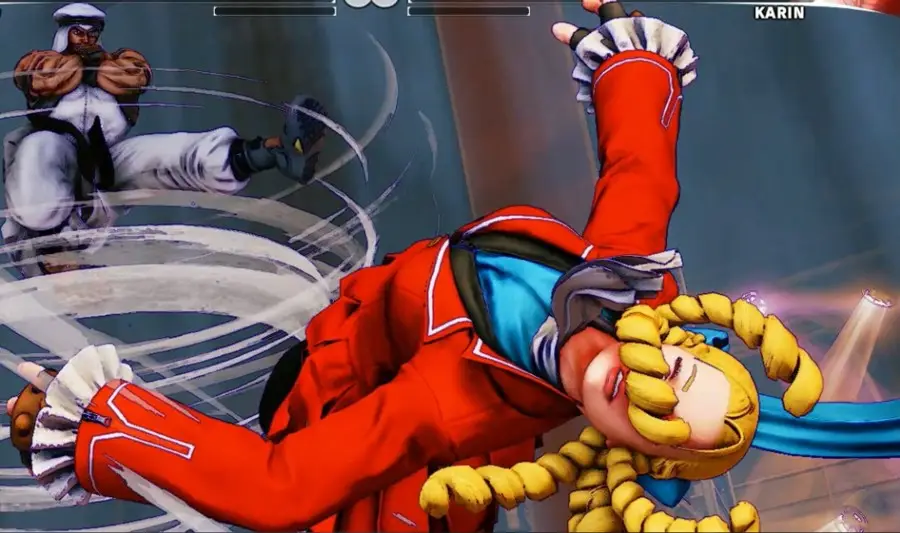
Street Fighter is one of the most iconic and globally recognized fighting game franchises. Released by Capcom, the series is famous not only for its charismatic characters and intense battles but also for the names of its moves, which often have deep meanings and cultural roots, especially in the Japanese language. In this article, we will explore the meaning of the names of the moves of the main characters in Street Fighter with a focus on learning Japanese.
Contents 15
Names of Ryu's Moves
Ryu is one of the main and most iconic characters in the Street Fighter series. Trained in martial arts since he was young, he constantly seeks to improve his skills and understand the true meaning of fighting. The name "Ryu" (リュウ) means "dragon" in Japanese, symbolizing power and strength. His moves are known and admired by fans around the world.
The main moves of Ryu are:
- Hadouken (波動拳)
- Shoryuken (昇龍拳)
- Tatsumaki Senpukyaku (竜巻旋風脚)
What does Hadouken mean?
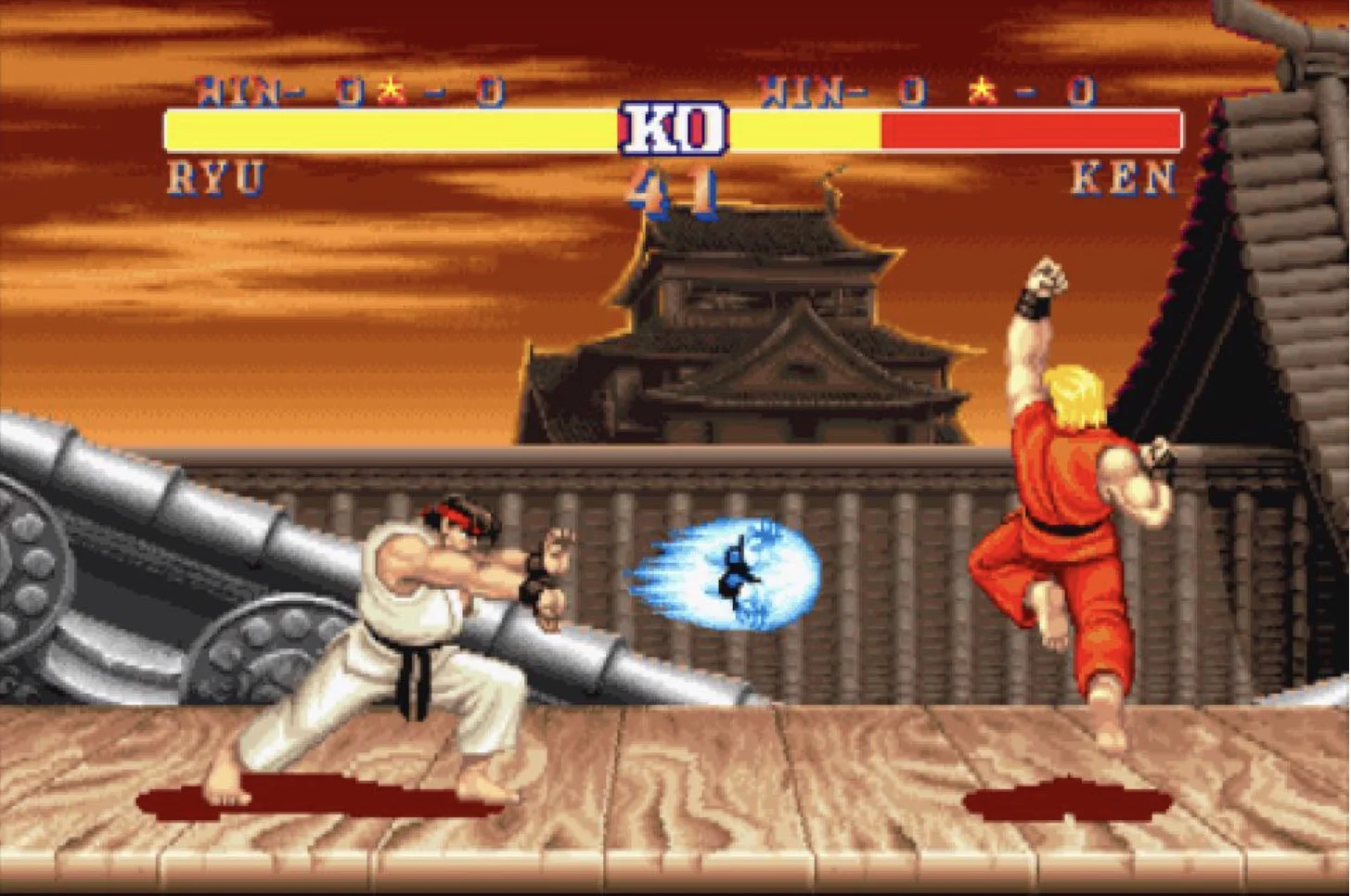
Hadouken is composed of three kanji: 波 (ha) means "wave", 動 (dou) means "movement", and 拳 (ken) means "fist". Together, "Hadouken" can be translated as "Fist of the Energy Wave". This move is represented by a sphere of energy launched from Ryu's hands, which has become one of the most recognizable moves in the world of fighting games.
The concept of Hadouken goes beyond just a physical movement; it encapsulates the idea of channeling internal energy and manifesting it externally. This is deeply rooted in martial arts practices and Eastern philosophy, where control and manipulation of ki (vital energy) are essential.
What does Shoryuken mean?
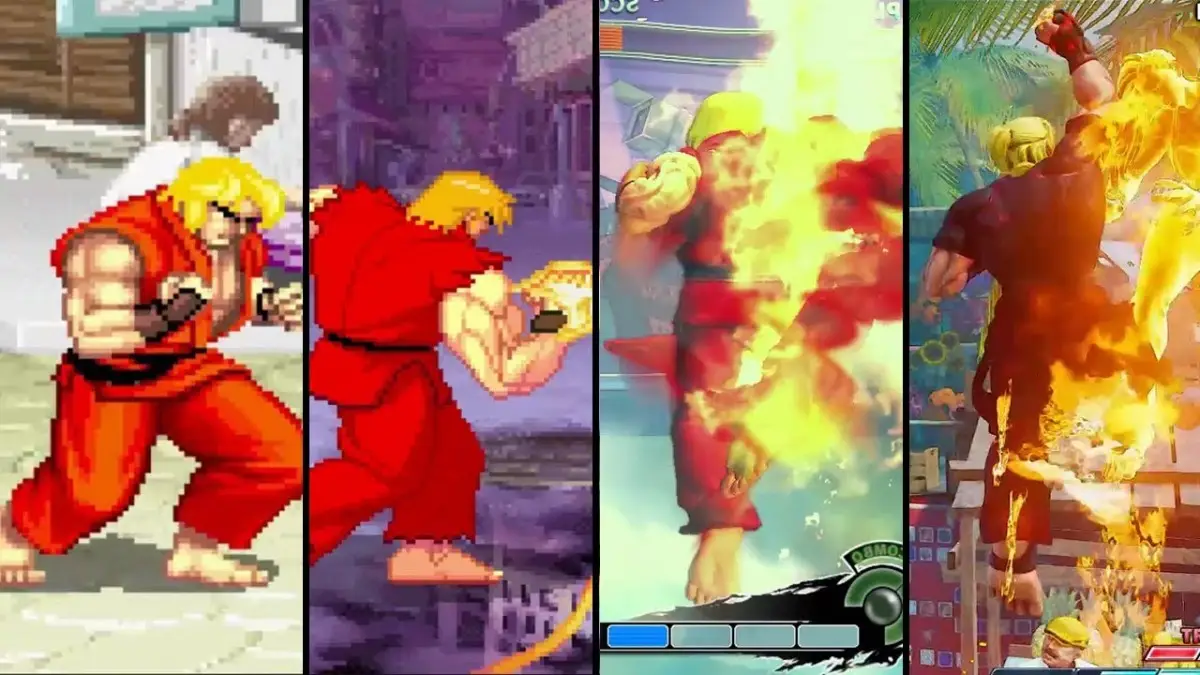
Shoryuken is composed of 昇 (shou) which means "ascend" or "rise", 龍 (ryuu) which means "dragon", and 拳 (ken) which means "fist". Thus, "Shoryuken" can be translated as "Fist of the Ascending Dragon". This move is characterized by an upward punch, often executed as an anti-air move.
The image of an ascending dragon is symbolic of power and strength in Eastern folklore, and Ryu's Shoryuken embodies that power. The move requires precision and timing, reflecting the discipline and skill necessary to master martial arts.
What does Tatsumaki Senpukyaku mean?
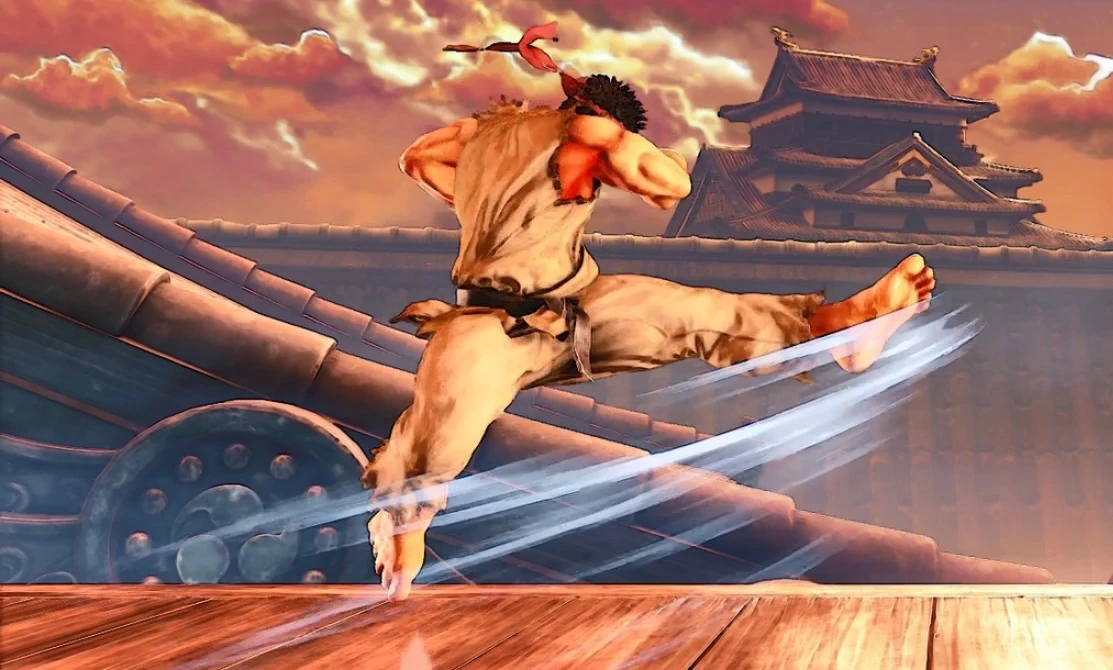
Tatsumaki Senpukyaku is composed of 竜巻 (tatsumaki) which means "tornado", 旋風 (senpuu) which means "whirlwind" or "hurricane", and 脚 (kyaku) which means "leg" or "kick". Therefore, the move can be translated as "Kick of the Whirlwind Tornado". This move is marked by a spinning kick that causes the character to twirl in the air.
The Tatsumaki Senpukyaku demonstrates the fluidity and dynamic strength of martial arts. The ability to generate devastating spinning power symbolizes the harmony between control and chaos, something often explored in Japanese martial traditions.
Names of Ken's Moves
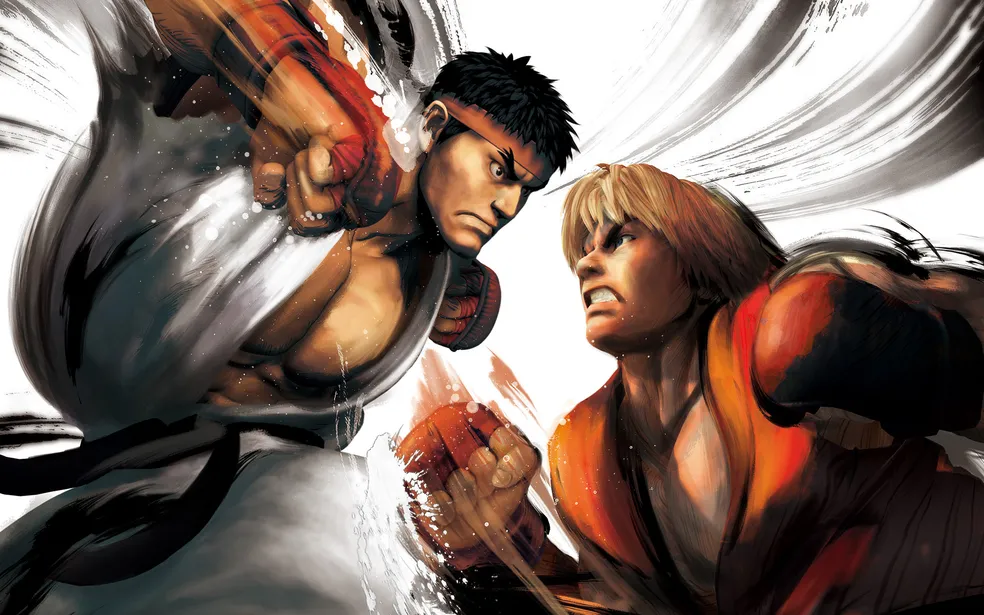
Ken is Ryu's best friend and rival. Although he shares many of the same techniques, Ken adds his own style and flair to the moves, reflecting his more extroverted and aggressive personality. The name "Ken" (ケン) means "fist" [拳] in Japanese, which is fitting for a martial arts fighter. Ken is known for his speed and intensity, which is reflected in the names and execution of his moves.
We will not repeat the moves here, as they are the same as Ryu's; if you haven't had a chance to read it, just scroll back a bit. It is worth noting that ken can also mean sword [剣] in Japanese.
Names of Chun-Li's Moves
Chun-Li is the first female character in the Street Fighter series and is known for her speed and agility. The name "Chun-Li" (春麗) means "beautiful spring" in Chinese, reflecting her grace and beauty. Her moves are fast and powerful, often focused on kicks.
List of Chun-Li's Moves:
- Kikoken (気功拳)
- Hyakuretsukyaku (百裂脚)
What does Kikoken mean?
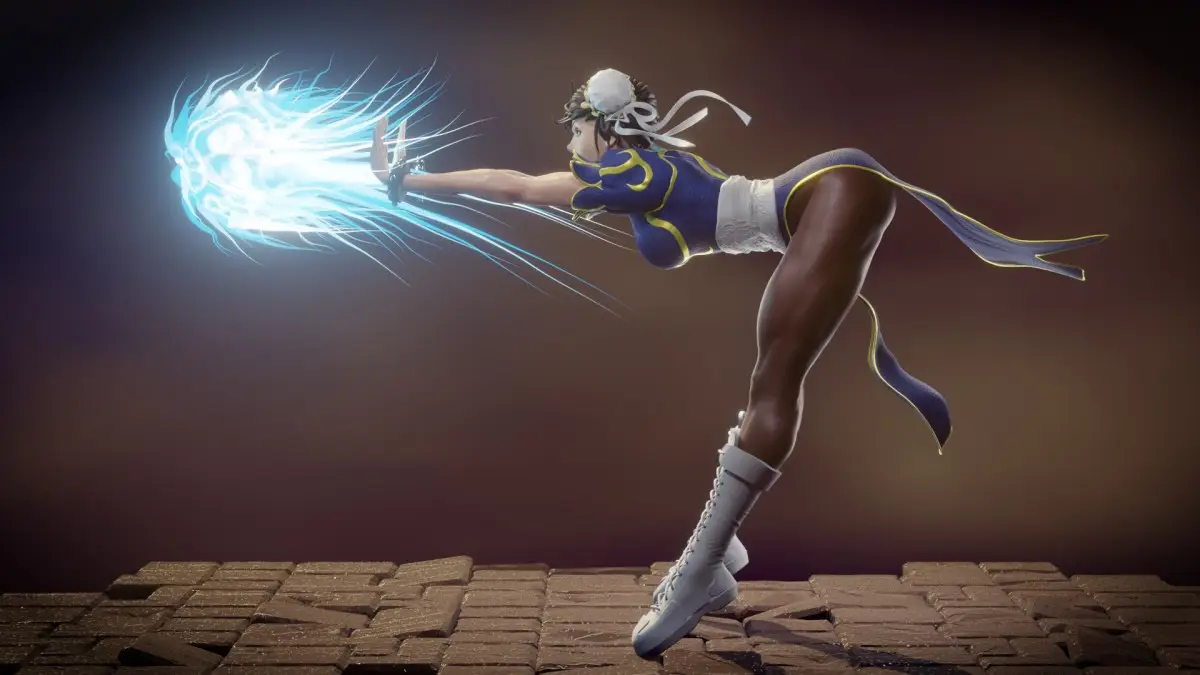
Kikoken is composed of 気 (ki) which means "energy" or "spirit", 功 (kou) which means "work" or "achievement", and 拳 (ken) which means "fist". Thus, "Kikoken" can be translated as "Fist of Spiritual Energy". This move is represented by a sphere of energy launched from Chun-Li's hands.
The Kikoken demonstrates Chun-Li's ability to channel her internal energy into a powerful attack. This move reflects the importance of ki in Eastern martial arts, where spiritual and physical energy are used together to create powerful movements.
What does Hyakuretsukyaku mean?
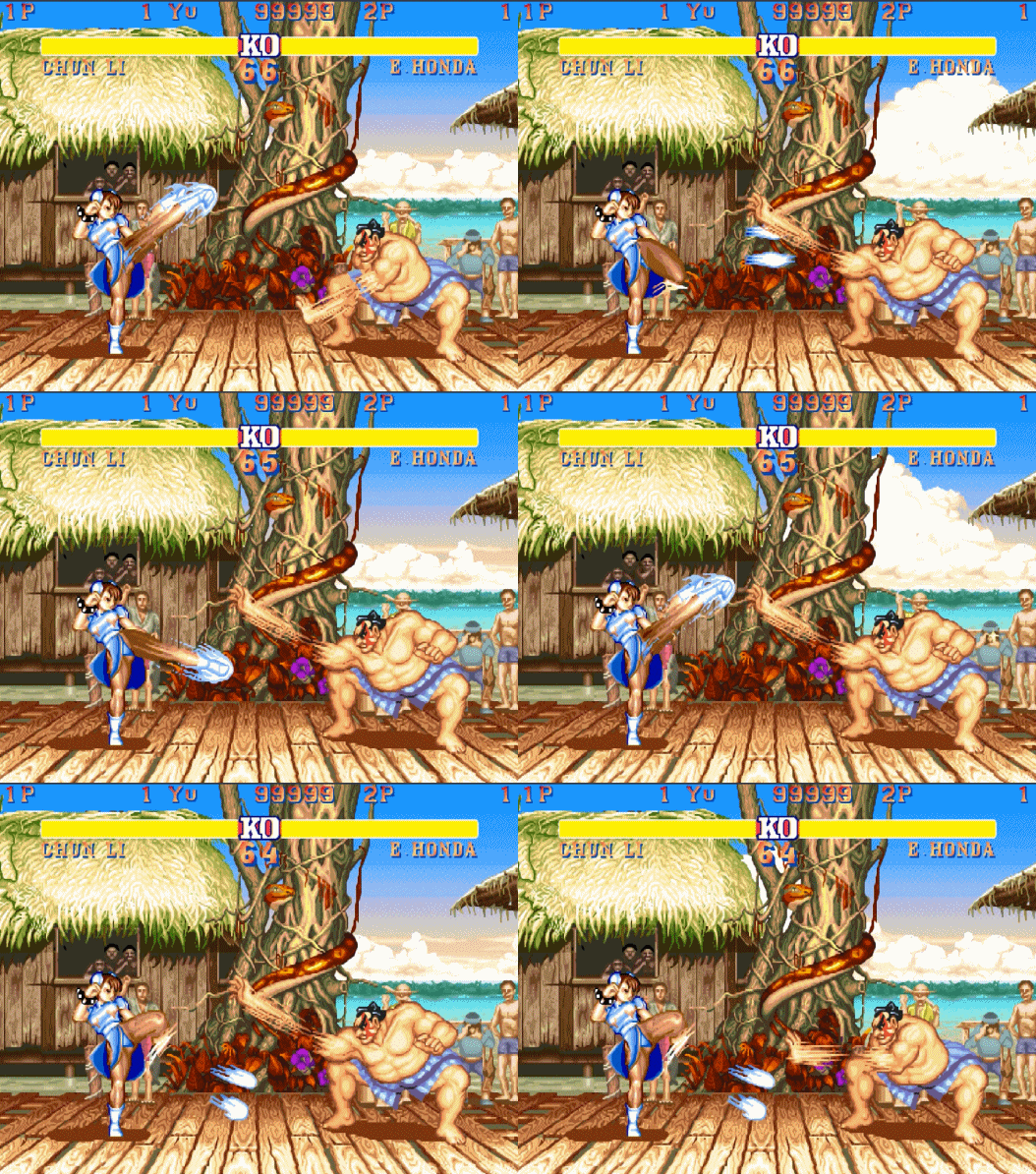
Hyakuretsukyaku is composed of 百 (hyaku) which means "hundred", 裂 (retsu) which means "to split" or "to tear", and 脚 (kyaku) which means "leg" or "kick". Together, "Hyakuretsukyaku" can be translated as "Kick of the Hundred Splits", referring to the speed and strength of Chun-Li's kicks.
This iconic move of Chun-Li showcases her incredible speed and ability to deliver multiple kicks in a short span of time. The technique requires both speed and control, reflecting the agility and dexterity of the character.
Names of E. Honda's Moves
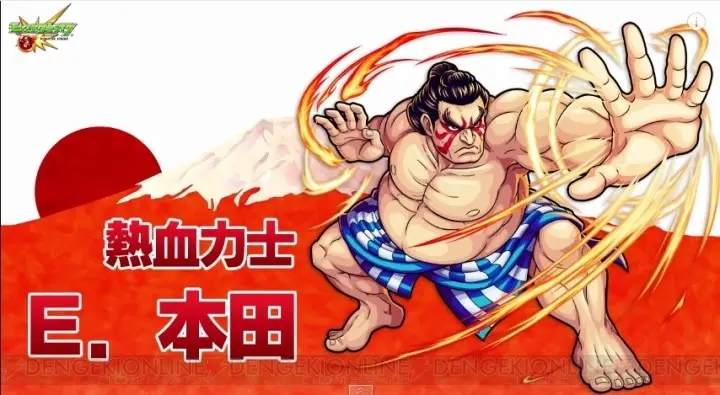
E. Honda is a sumo wrestler who seeks to prove that sumo can be a respectable martial art worldwide. The name "Honda" (本田) means "main field" or "true field". He is known for his powerful and fast moves, which often surprise his opponents with their speed.
The name of Honda's move is Hundred Hand Slap in English, but in Japanese it is called Hyakuretsu Harite [百裂張り手]. Another move we will mention from the character is the Oicho Throw [大銀杏投げ].
What does Hyakuretsu Harite mean?
百 (hyaku) means "hundred", 裂 (retsu) means "to split" or "to tear", and 張り手 (harite) refers to a "slap" or "strike with the palm of the hand". Thus, the move can be translated as "Slap of the Hundred Splits".
The Hundred Hand Slap is a move that reflects the brute strength and speed of E. Honda's arms, delivering multiple quick strikes with the palms of his hands. This move demonstrates the efficiency and power of sumo strikes, adapted for a more dynamic and aggressive fighting style.
What does Oicho Throw mean?
Oicho Throw is known in Japanese as 大銀杏投げ (Oicho Nage). 大 (dai) means "big", 銀杏 (icho) refers to the top knot in a sumo wrestler's hair, and 投げ (nage) means "throw". Thus, the move can be translated as "Throw of the Big Knot".
This move demonstrates E. Honda's ability to use traditional sumo techniques to grab and throw his opponent with impressive force. The move is a combination of technique and brute strength, reflecting Honda's unique fighting style.
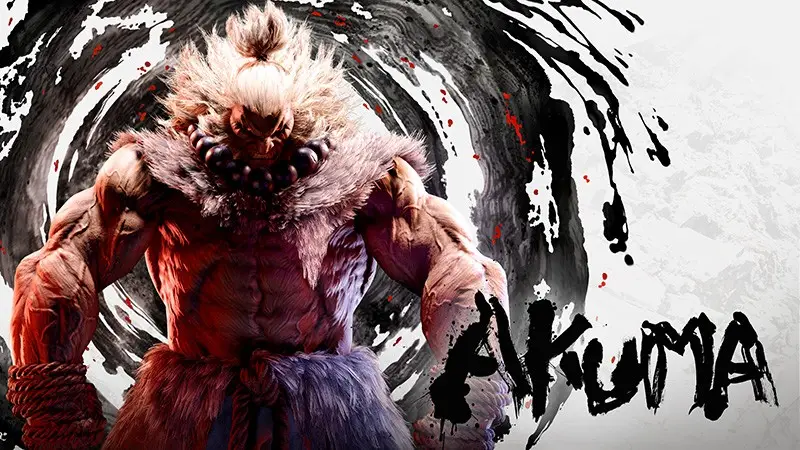
List of Akuma's Moves:
- Gou Hadouken (豪波動拳)
- Shakunetsu Hadouken (灼熱波動拳)
- Zanku Hadouken (斬空波動拳)
- Gou Shoryuken (豪昇龍拳)
- Tatsumaki Zankukyaku (竜巻斬空脚)
- Metsu Shoryuken (滅昇龍拳)
What does Gou Hadouken mean?
Gou Hadouken (豪波動拳)
Gou Hadouken is composed of 豪 (gou) which means "strong" or "magnificent", 波動 (hadou) which means "energy wave", and 拳 (ken) which means "fist". Thus, "Gou Hadouken" can be translated as "Fist of the Magnificent Energy Wave". This move is a more powerful variation of Ryu and Ken's Hadouken.
What does Shakunetsu Hadouken mean?
Shakunetsu Hadouken (灼熱波動拳)
Shakunetsu Hadouken is composed of 灼熱 (shakunetsu) which means "scorching heat", 波動 (hadou) which means "energy wave", and 拳 (ken) which means "fist". Thus, "Shakunetsu Hadouken" can be translated as "Fist of the Scorching Energy Wave". This move is a fiery version of Hadouken.
What does Zanku Hadouken mean?
Zanku Hadouken (斬空波動拳)
Zanku Hadouken is composed of 斬 (zan) which means "cut" or "slice", 空 (kuu) which means "sky", 波動 (hadou) which means "energy wave", and 拳 (ken) which means "fist". Thus, "Zanku Hadouken" can be translated as "Fist of the Cutting Energy Wave of the Sky". This move is launched in the air, differentiating it from the traditional Hadouken.
What does Gou Shoryuken mean?
Gou Shoryuken (豪昇龍拳)
Gou Shoryuken is composed of 豪 (gou) which means "strong" or "magnificent", 昇 (shou) which means "ascend" or "rise", 龍 (ryuu) which means "dragon", and 拳 (ken) which means "fist". Thus, "Gou Shoryuken" can be translated as "Fist of the Magnificent Ascending Dragon". It is a more powerful version of the traditional Shoryuken.
What does Tatsumaki Zankukyaku mean?
Tatsumaki Zankukyaku (竜巻斬空脚)
Tatsumaki Zankukyaku is composed of 竜巻 (tatsumaki) which means "tornado", 斬空 (zanku) which means "cutting the sky", and 脚 (kyaku) which means "leg" or "kick". Thus, "Tatsumaki Zankukyaku" can be translated as "Kick of the Cutting Tornado of the Sky". This move is an aerial variation of Tatsumaki Senpukyaku.
What does Metsu Shoryuken mean?
Metsu Shoryuken (滅昇龍拳)
Metsu Shoryuken is composed of 滅 (metsu) which means "annihilation" or "destruction", 昇 (shou) which means "ascend" or "rise", 龍 (ryuu) which means "dragon", and 拳 (ken) which means "fist". Thus, "Metsu Shoryuken" can be translated as "Fist of the Annihilating Ascending Dragon". It is an extremely powerful Shoryuken, used as a devastating finishing move.
Names of Sakura's Moves
Sakura is a fighter who idolizes Ryu and uses moves similar to his, with Japanese names. Her name "Sakura" (さくら/桜) means "cherry blossom", a symbol of beauty and ephemerality in Japan.
List of Sakura's Moves:
- Hadouken (波動拳)
- Shouoken (昇桜拳)
- Sakura Otoshi (桜落とし)
- Shunpukyaku (春風脚)
What does Shouoken mean?
Shouoken is composed of 昇 (shou) which means "ascend" or "rise", 桜 (ou) which means "cherry blossom", and 拳 (ken) which means "fist". Thus, "Shouoken" can be translated as "Ascending Fist of the Cherry Blossom". This move is a variation of Shoryuken, adapted to Sakura's fighting style.
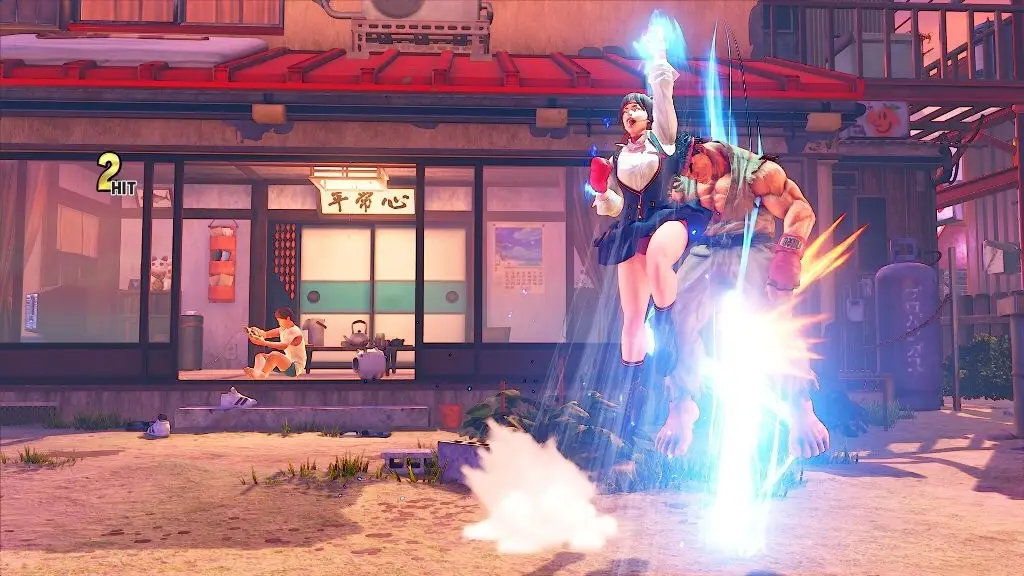
What does Sakura Otoshi mean?
Sakura Otoshi is composed of 桜 (sakura) which means "cherry blossom", and 落とし (otoshi) which means "fall". Thus, "Sakura Otoshi" can be translated as "Fall of the Cherry Blossom". This move involves an aerial attack where Sakura quickly descends upon her opponent, similar to the fall of cherry blossom petals.
Conclusion
The names of the moves of the characters in Street Fighter are not only eye-catching but carry deep meanings and often have roots in the Japanese language and culture. These names help enrich the player's experience, adding an extra layer of depth and authenticity to the characters and their abilities.
Unfortunately, not all characters in the game have names for their moves in Japanese; the vast majority have their names in English, so we will conclude this article with just these characters.



Community
Comments
0 comments
There are no published comments in this language yet.
Send comment