
Have you ever heard someone being called a "Koreaboo" on the internet and not fully understood what that really means? Is liking K-pop and dramas enough to earn that label? And more importantly: how do Koreans themselves view this type of behavior coming from Western fans?
In this article, we will clearly and without stereotypes explore what it means to be a Koreaboo, where this term came from, how it is used today — and why it is important to talk about this responsibly. After all, better understanding the boundaries between admiration and cultural obsession can help many people enjoy the Hallyu and Korean culture with more awareness and respect.
Contents 7
What is a Koreaboo?
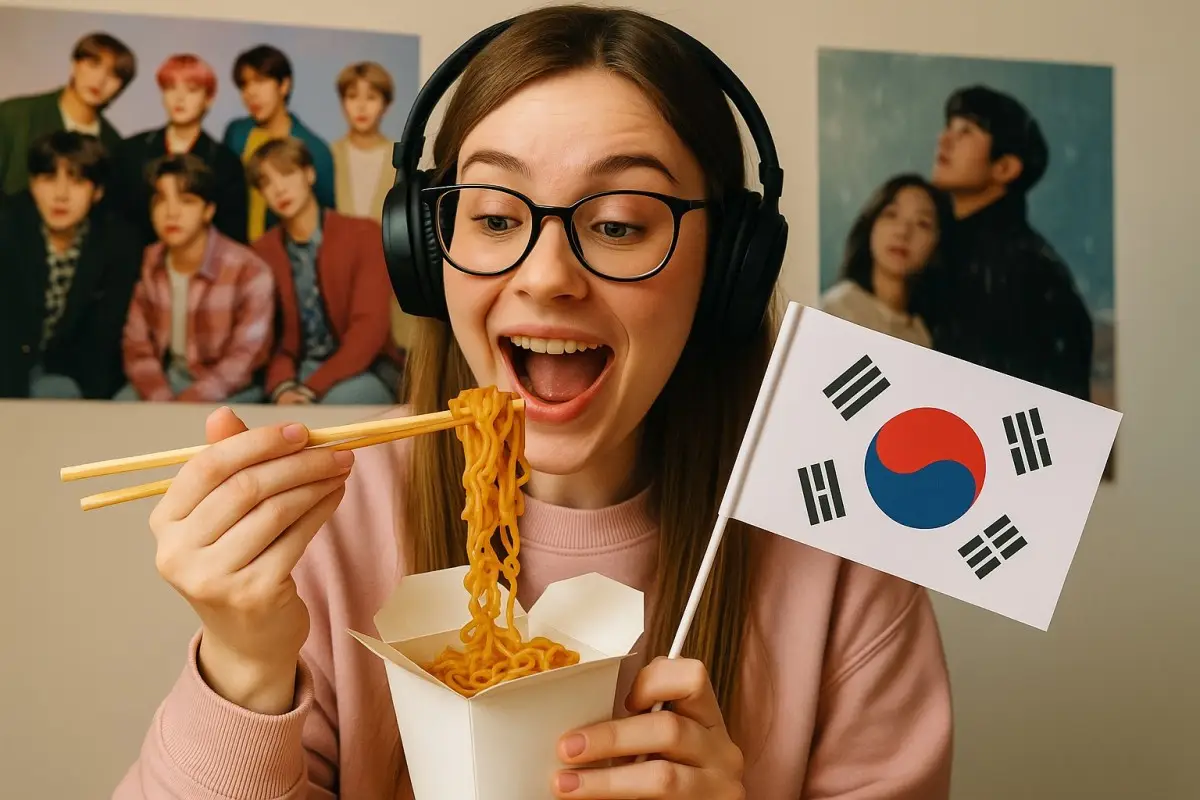
The word Koreaboo is used pejoratively to describe non-Koreans who demonstrate an exaggerated — and sometimes distorted — obsession with South Korean culture. The term originated as a direct adaptation of "weeaboo", which has a similar meaning but is associated with Japan.
In essence, a Koreaboo is someone who:
- Idealizes South Korea and its inhabitants based almost exclusively on entertainment products like K-pop, K-dramas, and reality shows;
- Adopts Korean behaviors and expressions in a forced or out-of-context manner;
- Often rejects their own culture in favor of a romanticized version of what they understand as “being Korean.”
Although interest in another culture is not a negative thing, the problem arises when admiration crosses the boundaries of common sense and becomes a denial of one's own identity — in addition to a superficial view of the admired culture.
What is the origin of the term Koreaboo?
The exact origin of the term Koreaboo is uncertain, but there are indications that it gained traction around 2011 on online forums such as Reddit and 4chan. The term is a clear derivation of the already known weeaboo, which initially appeared in 2003 as a joke on 4chan forums and was later associated with fans obsessed with Japanese culture.
An important milestone in the popularization of the term Koreaboo was the creation of the website koreaboo.com in 2014, which, although it did not coin the term, helped make it more visible by sharing content focused on the K-pop universe. The irony is that the very name of the site is used critically on the internet, even though it is now one of the largest sources of news about Korean entertainment globally, with over 40 million monthly visits.
How to know if you are a Koreaboo?
Liking K-pop, watching dramas, or studying Korean does not automatically make you a Koreaboo. What characterizes this behavior is excessive fanaticism, fanciful idealization, and disdain for other cultures (including one's own).
Below are some signs that are often associated with this profile:
- Claiming that you wish you had “been born Korean,” even without understanding the social and historical reality of Korea;
- Rejecting your nationality and trying to act as if you were a native Korean, without real mastery of the language or customs;
- Using Korean words out of context just to seem “cool” (e.g., oppa, saranghae) even without Korean interlocutors;
- Consuming Korean cultural content almost exclusively, ignoring other cultures, even Asian ones;
- Believing that all Koreans are like idols: polite, cute, and visually perfect;
- Idealizing relationships with Koreans based on drama scripts;
- Feeling anger or personal offense when hearing criticisms (even well-founded) about Korean society;
These behaviors not only reinforce stereotypes but also create an artificial image of Korea that is, in practice, far from reality.
What do Koreans think about Koreaboos?
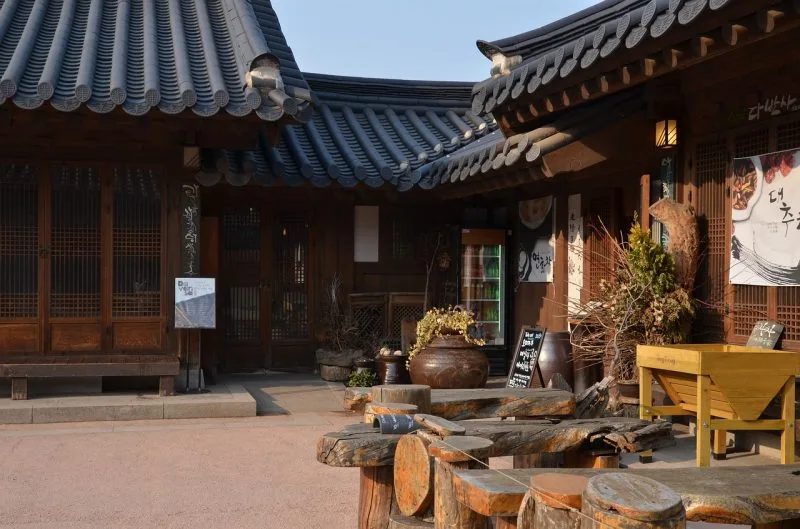
In general, many South Koreans feel happy to see their culture appreciated abroad. The phenomenon of Hallyu (Korean Wave) has generated a significant international appreciation of South Korea — especially in the fields of entertainment and aesthetics. However, not all types of admiration are well received.
Some Koreans may find it strange or uncomfortable when foreigners force typical behaviors of the country in a caricatured manner. Using the language out of context, adopting expressions with incorrect intonations, or imitating lifestyles based on media products are attitudes that, instead of honoring, end up sounding like superficial appropriation.
On forums like Quora and Reddit communities, it is possible to find testimonies from Koreans who feel uncomfortable with this type of behavior — especially when there is a total detachment from the social, political, and historical reality of the country.

Is being a Koreaboo a problem?
It depends on the intensity and impact it has on the person's life — and their interactions with others. Liking Korean culture, learning the language, admiring artists, and consuming content from Korea is absolutely healthy. But obsession, denial of one's own identity, and a romanticized view of Korea can be harmful both to the individual and to the perception of South Korean culture as a whole.
Moreover, fanaticism can lead to real frustrations: Korea is not a utopian paradise. The country faces serious challenges, such as intense academic and professional pressure, social pressure around appearance, and one of the highest suicide rates among developed countries, according to data from the OECD (2023).
In summary: there is nothing wrong with loving Korea. But overly idealizing a country you may never have visited can distance you from the real understanding of the culture you claim to admire.

How to appreciate Korean culture without going overboard?
Admiring a culture is one of the most beautiful ways to learn about the world. But it is essential that this admiration comes with respect, context, and balance. Here are some practical tips to enjoy South Korea consciously:
- Study the language with a focus on real communication, not just on drama slang;
- Read about the history and current challenges of Korea, not just the pop side;
- Avoid stereotypes and generalizations — not every Korean loves K-pop or resembles an idol;
- Be open to hearing criticisms and recognizing that every culture has positive and negative sides;
- Appreciate deeply: explore Korean cinema, literature, philosophy, and art beyond the mainstream.
Don't get lost in fantasy
Liking Korea is not a problem. Being a fan is not either. But it is important to remember that any exaggeration can lead to disconnection from reality — and even to unintentional disrespect.
If you identified with some characteristics of a Koreaboo, that doesn't have to be a source of shame. It can just be a warning to reevaluate your level of involvement and seek a healthier relationship with what you love. After all, respect is also a form of admiration.






Community
Comments
0 comments
There are no published comments in this language yet.
Send comment