
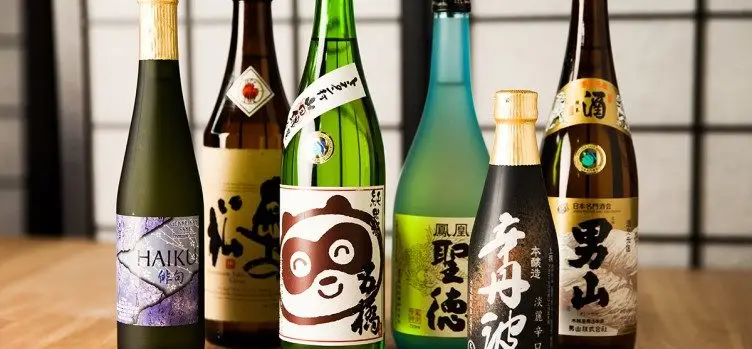
If you are looking at a sake label and do not know where to start, focus on the style first. Junmai means there is no added brewer's alcohol, Ginjo and Daiginjo usually lean more aromatic and refined, Nigori is cloudy and creamier, and Genshu feels bolder because it is not diluted after brewing.
That alone already makes choosing easier. This guide walks through 8 types of sake and shows which style tends to work best for a casual dinner, a gift, an aperitif, or a richer meal. Instead of chasing prestige terms, you will know what each bottle is likely to taste like before you buy it.
If you want a broader introduction first, our article on what sake is and how it became part of Japanese culture fills in the background. Here, the focus is practical: how to read the main styles and pick one that suits your taste.
Contents 13
A quick way to choose the right sake
Not every bottle uses the same clues, but three details usually help. First, check whether it says Junmai, Honjozo, Ginjo, or Daiginjo. Those terms tell you about ingredients, rice polishing, and brewing approach. Second, look for hints about sweetness, dryness, acidity, or aroma on the label. Third, think about the moment: a chilled sparkling sake feels very different from a warm cup of Junmai with food.
It also helps to remember that this list mixes two things: some names are special designations, while others describe style or finishing method. That matters because Nigori, Genshu, Sparkling, and Koshu can overlap with Junmai or Ginjo instead of replacing them.
8 types of sake at a glance
1. Junmai
Junmai is made without added brewer's alcohol, so it often shows more rice character, umami, and body. It is a strong starting point if you want something grounded, food-friendly, and less perfume-driven. Junmai usually works well with grilled dishes, hearty Japanese meals, and drinkers who prefer texture over fragrance.
2. Honjozo
Honjozo includes a small amount of added brewer's alcohol and rice polished to 70% or less. That addition is not there to make it harsh; traditionally, it helps give the sake a cleaner, lighter finish. If you want a bottle that is easy to sip with dinner and does not feel too dense, Honjozo is often a safe pick.
3. Ginjo
Ginjo uses more highly polished rice and slow, low-temperature fermentation. The result is commonly lighter, fruitier, and more fragrant, with notes that can remind you of apple, melon, or pear. For beginners who usually drink white wine or prefer elegant aromas, Ginjo is one of the easiest entries into sake.
4. Daiginjo
Daiginjo goes even further with rice polishing and tends to feel more delicate and precise. This is the bottle many people reach for when they want something refined for a special meal, a tasting, or a thoughtful gift. It is not automatically "better" for every situation, but it often shines when you want a cleaner and more aromatic experience.
5. Nigori
Nigori is roughly filtered, which leaves part of the rice texture in the drink and gives it a cloudy appearance. It usually feels creamier, softer, and sometimes a little sweeter than clear sake. If dry, sharp drinks are not your style, Nigori can be a friendlier place to begin.
6. Sparkling sake
Sparkling sake is lively, refreshing, and easy to picture at the start of a meal. The bubbles make it a natural aperitif, and it pairs nicely with small bites, fried snacks, and celebrations where you want something lighter than Champagne or prosecco. It is also a good bridge for people who are curious about sake but want a familiar texture first.
7. Genshu
Genshu is sake that has not been diluted with water after brewing, so it usually tastes fuller and carries higher alcohol strength. That extra intensity can bring more weight, more flavor concentration, and a warmer finish. Choose it when you want a more forceful style that can stand up to richer food or slower sipping.
8. Koshu
Koshu is aged sake, normally matured for several years. Instead of bright freshness, it leans into deeper notes that can suggest nuts, caramel, spice, or dried fruit. It is not the first bottle everyone should buy, but for drinkers who enjoy sherry-like complexity or want something unusual with strong flavors, Koshu is memorable.
How to choose a bottle for food and occasion
If you want one simple rule, match the style to the mood of the meal. Junmai and Honjozo are dependable with everyday food because they do not overpower the table. Ginjo and Daiginjo make more sense when aroma matters, such as sushi, sashimi, or a quieter tasting where you can pay attention to fragrance and finish.
For richer or bolder dishes, Genshu and Koshu hold their ground better. For parties, first-time tastings, or casual toasts, Sparkling sake and Nigori often feel more approachable. If you plan to keep exploring, our sake guide on styles, etiquette, and bottle choice expands on serving and pairing in more detail.
What labels and temperature can tell you
Sake labels often reveal more than people expect. Terms like Junmai, Ginjo, and Honjozo point to the production method, while items such as alcohol content, acidity, and sake meter value can hint at body, sweetness, or dryness. You do not need to memorize everything, but learning those few clues makes bottle shopping far less random.
Temperature changes the experience too. Aromatic Ginjo and Daiginjo styles are commonly enjoyed chilled, while Junmai and some Honjozo can become rounder and more expressive at room temperature or gently warmed. If you ever order sake in Japan, our article on izakaya culture and Japanese drinking spots helps put that experience into context.
Which sake should you start with?
If you like clean and easy-drinking styles, start with Honjozo or Ginjo. If you want more umami and presence at the table, try Junmai. If you usually enjoy softer or sweeter drinks, Nigori or Sparkling sake will probably feel more welcoming. For gifts or special dinners, Daiginjo is the safer elegant choice, while Genshu and Koshu make more sense when you already know you like stronger flavors.
The best bottle is not the most expensive one. It is the one whose style fits your palate, your food, and the occasion in front of you. Once you read sake that way, choosing stops feeling intimidating and starts becoming part of the fun.




Community
Comments
0 comments
There are no published comments in this language yet.
Send comment