
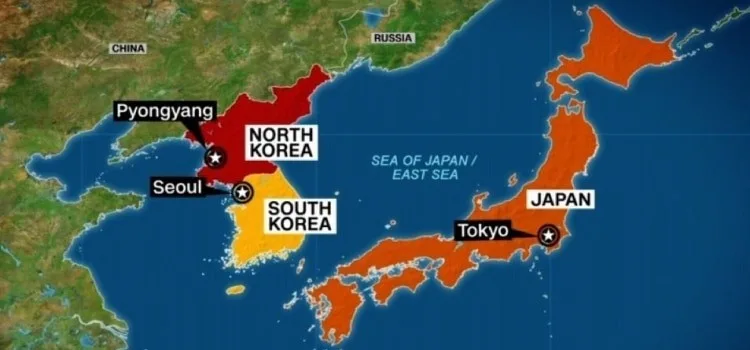
Open a map of Japan looking for states and the first surprise is the empty space where they should be. There is no Texas-sized chunk with its own constitution. What you get is forty-seven smaller pieces, each with a governor, an assembly, and a personality that shows up in the dialect, the food, and the way an address is written.
English keeps calling them states or provinces. Japanese folds four suffixes into one everyday word: todōfuken (都道府県). And some of the older names — Satsuma, Musashi, Yamato — never really left the conversation, even after they stopped being the government.

Contents 4
State, province, or prefecture?
Many people mix up state and province. In some countries a province is a slice inside a larger state, now or in the past. Japan is not a federation. The middle layer almost always translates as prefecture — not state, and not the old province either.
The historical provinces (kuni, 国) go back to the ritsuryō maps. They lost political power to the daimyō domains long before Meiji, then the prefectures replaced them as offices. The names stayed: on shop signs, in food, in dialect, in a sentence like “that’s still Shinshū” when someone is talking about Nagano.
Even though Japan is smaller than some single states elsewhere, the prefectures run like mid-level governments, with their own budgets and cultures. There are 47 of them between the national ministries and the city halls. In 1871, when the han were abolished (haihan-chiken, 廃藩置県), more than 300 prefectures appeared overnight. By 1888 the map had cooled down to the 47 still used today.
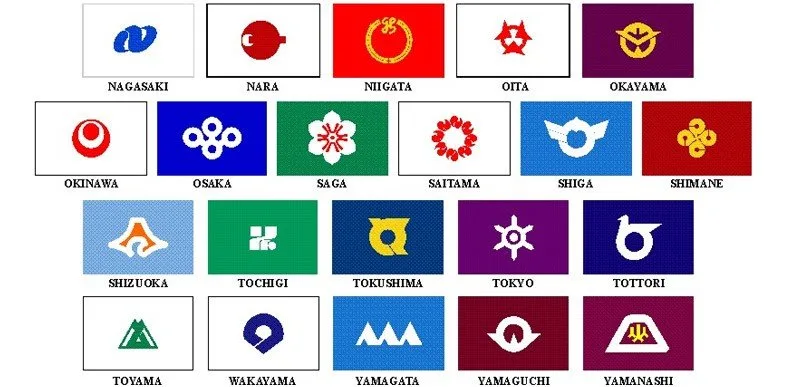
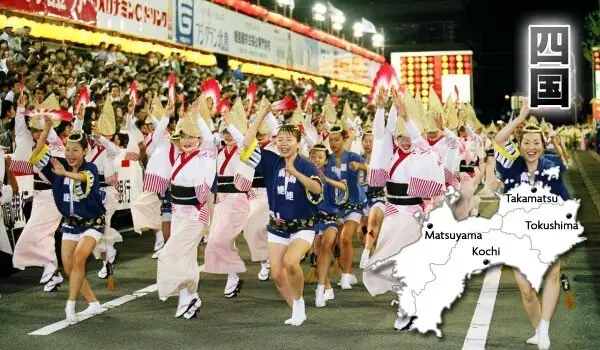
The eight big blocks — Hokkaidō, Tōhoku, Kantō, Chūbu, Kansai, Chūgoku, Shikoku, and Kyūshū with Okinawa — are regions, not offices. They help when you travel or watch the weather. Taxes, high schools, and the police run through the prefecture. If you want the colors and emblems, they live on the prefecture flags.
Todōfuken
Four administrative labels stack into the word todōfuken (都道府県). That is the generic name for “the prefectures.” The 47 units of Japan break down like this:
- 都 (to) — 1 metropolis: 東京都, Tōkyō-to
- 道 (dō) — 1 circuit: 北海道, Hokkaidō
- 府 (fu) — 2 urban prefectures: 大阪府, Ōsaka-fu, and 京都府, Kyōto-fu
- 県 (ken) — 43 prefectures, for example 愛知県, Aichi-ken
The curious bit is the former capital. Kyōto is written Kyōto-fu (京都府). Inside the city name sits 都 (to), the same “metropolis” character as 東京都 (Tōkyō-to) — yet the suffix is 府 (fu), the urban-prefecture ending. Tokyo’s metropolitan government sits in Shinjuku; there has been no separate “city of Tokyo” as a municipality since 1943.
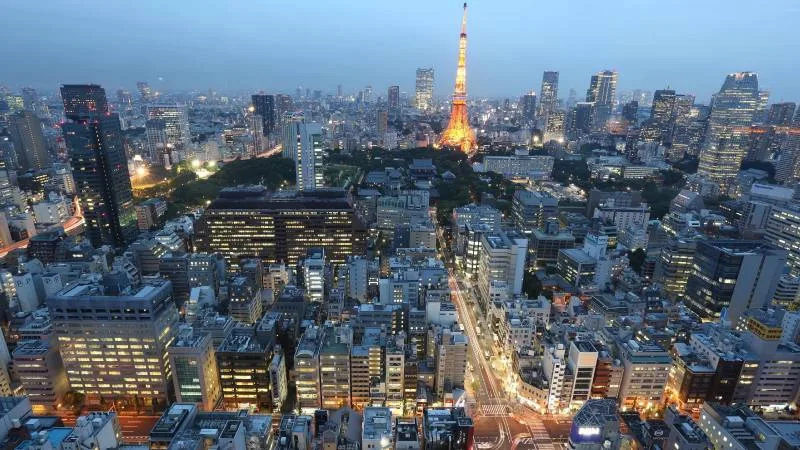
The 47 prefectures and their seats
Below are the 47 prefectures and the seat of each government, in kanji and hiragana. For Tokyo, Shinjuku is the office, not a classic prefectural capital.
| Kanji | Prefecture | Hiragana | Seat | Hiragana |
| 愛知県 | Aichi | あいち | Nagoya | なごや |
| 青森県 | Aomori | あおもり | Aomori | あおもり |
| 秋田県 | Akita | あきた | Akita | あきた |
| 石川県 | Ishikawa | いしかわ | Kanazawa | かなざわ |
| 茨城県 | Ibaraki | いばらき | Mito | みと |
| 栃木県 | Tochigi | とちぎ | Utsunomiya | うつのみや |
| 岩手県 | Iwate | いわて | Morioka | もりおか |
| 愛媛県 | Ehime | えひめ | Matsuyama | まつやま |
| 大分県 | Ōita | おおいた | Ōita | おおいた |
| 大阪府 | Ōsaka | おおさか | Ōsaka | おおさか |
| 岡山県 | Okayama | おかやま | Okayama | おかやま |
| 沖縄県 | Okinawa | おきなわ | Naha | なは |
| 香川県 | Kagawa | かがわ | Takamatsu | たかまつ |
| 鹿児島県 | Kagoshima | かごしま | Kagoshima | かごしま |
| 京都府 | Kyōto | きょうと | Kyōto | きょうと |
| 岐阜県 | Gifu | ぎふ | Gifu | ぎふ |
| 熊本県 | Kumamoto | くまもと | Kumamoto | くまもと |
| 群馬県 | Gunma | ぐんま | Maebashi | まえばし |
| 高知県 | Kōchi | こうち | Kōchi | こうち |
| 埼玉県 | Saitama | さいたま | Saitama | さいたま |
| 佐賀県 | Saga | さが | Saga | さが |
| 滋賀県 | Shiga | しが | Ōtsu | おおつ |
| 静岡県 | Shizuoka | しずおか | Shizuoka | しずおか |
| 神奈川県 | Kanagawa | かながわ | Yokohama | よこはま |
| 島根県 | Shimane | しまね | Matsue | まつえ |
| 千葉県 | Chiba | ちば | Chiba | ちば |
| 東京都 | Tōkyō | とうきょう | Shinjuku | しんじゅく |
| 徳島県 | Tokushima | とくしま | Tokushima | とくしま |
| 鳥取県 | Tottori | とっとり | Tottori | とっとり |
| 富山県 | Toyama | とやま | Toyama | とやま |
| 長崎県 | Nagasaki | ながさき | Nagasaki | ながさき |
| 長野県 | Nagano | ながの | Nagano | ながの |
| 奈良県 | Nara | なら | Nara | なら |
| 新潟県 | Niigata | にいがた | Niigata | にいがた |
| 兵庫県 | Hyōgo | ひょうご | Kōbe | こうべ |
| 広島県 | Hiroshima | ひろしま | Hiroshima | ひろしま |
| 福井県 | Fukui | ふくい | Fukui | ふくい |
| 福岡県 | Fukuoka | ふくおか | Fukuoka | ふくおか |
| 福島県 | Fukushima | ふくしま | Fukushima | ふくしま |
| 北海道 | Hokkaidō | ほっかいどう | Sapporo | さっぽろ |
| 三重県 | Mie | みえ | Tsu | つ |
| 宮城県 | Miyagi | みやぎ | Sendai | せんだい |
| 宮崎県 | Miyazaki | みやざき | Miyazaki | みやざき |
| 山形県 | Yamagata | やまがた | Yamagata | やまがた |
| 山口県 | Yamaguchi | やまぐち | Yamaguchi | やまぐち |
| 山梨県 | Yamanashi | やまなし | Kōfu | こうふ |
| 和歌山県 | Wakayama | わかやま | Wakayama | わかやま |
Cities, towns, and villages
Under every prefecture sits the municipal layer. Japan now has around 1,700 municipalities; of those, about 790 are cities (shi, 市). The count moves because towns and villages keep merging. A full roster of every place would be a book of its own — more useful is the suffix you see on signs and in addresses.
- 市 shi — a city. The largest are seirei shitei toshi (政令指定都市), cabinet-designated cities that take on some prefectural work and split into wards (ku, 区).
- 中核市 chūkaku-shi — core cities with extra duties, one step below the designated cities.
- 郡 gun — a district. Mostly a geographic label now; the office sits in the towns and villages inside it.
- 町 machi / chō — a town, usually inside a district.
- 村 mura / son — a village.
- 特別区 tokubetsu-ku — Tokyo’s 23 special wards, each with a mayor and an assembly.
- 支庁 / 振興局 — subprefectures, especially in Hokkaidō: branch offices of the prefecture, not a separate layer of government.
The old “special city” status (tokurei-shi, 特例市) was abolished in 2015. If an older map still shows it, that is a retired category, not a current office.
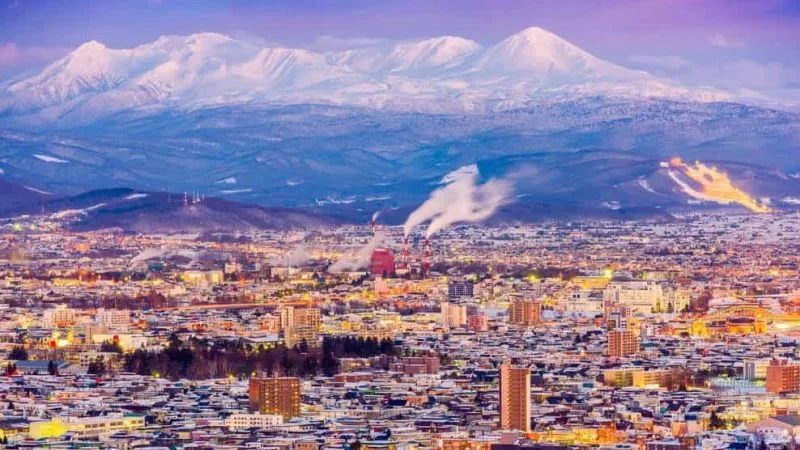
If you want the big urban names by size, start with the 20 cities in Japan worth visiting. For the opposite scale, the small cities and towns sit far from the cores — and in Hokkaidō a single prefecture is also a whole region, along the line through Sapporo, Hakodate, Otaru, and Asahikawa.



Community
Comments
0 comments
There are no published comments in this language yet.
Send comment