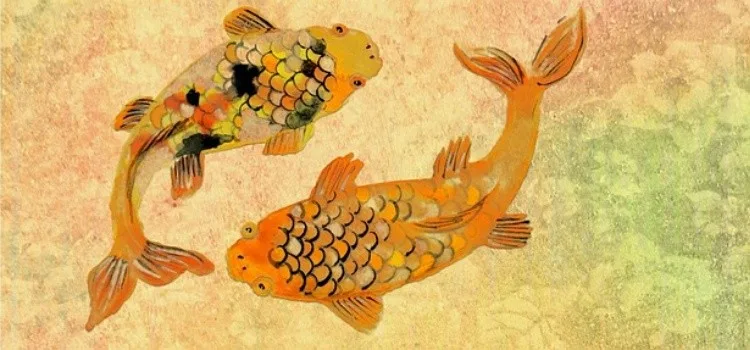
The Koi fish are colorful ornamental carp originating from Japan. These fish are a common symbol of Japanese and Chinese culture. Often depicted in works of art, tattoos, clothing, and even used for landscaping. They are considered intelligent animals, and can even be trained.
Some legends and meanings surround these carp. They can be recognized as symbols of courage and perseverance. In Japan, large koi fish events are even held. Every year, for example, breeders of these carp come together and promise exhibitions, contests, and even auctions. Now let's learn more about the history of this beautiful animal.
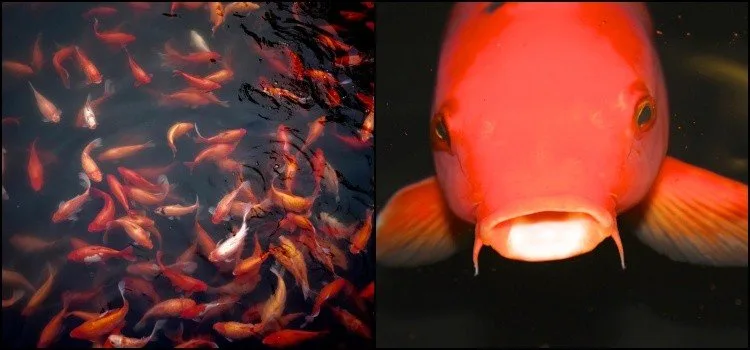
Besides koi (鯉), Japanese carp are called nishikigoi (錦鯉) mainly because they are colorful and used as decorations in ponds and water gardens. Japanese carp are symbols of love and friendship, as the word love or passion is also pronounced koi (恋).
Contents3
History and Curiosities of the Koi Fish
Koi fish are a mutation of the common carp, usually brown in color. Their breeding was predominant in China. However, when the Chinese invaded Japan, these fish were primarily bred for food. They were very adaptable to Japanese conditions. It was then that the Japanese noticed the ornamental potential of the fish. They began to breed them to bring varied colors, something the Chinese did not do.
They noticed that depending on the circumstances, common carp changed color. This mutation is something spontaneous in the animal. At some point between 1820 and 1830, the Japanese already noticed small variations in colors among some carp and then created "mutants". From these mutations, the famous koi fish emerged.
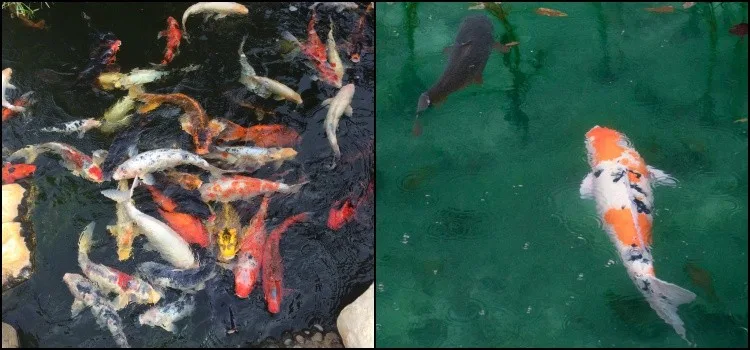
Quickly, the popularity of the Japanese Koi fish grew. Even if their beauty was not noticed in other countries, in Japan it became the most desired fish. More than a hundred types of Koi fish have been recorded since their creation, grouped into thirteen general classes.
The carp grow according to the size of the place they are raised. If raised in a small place, they will not exceed 7cm.
Classes and Varieties of Koi
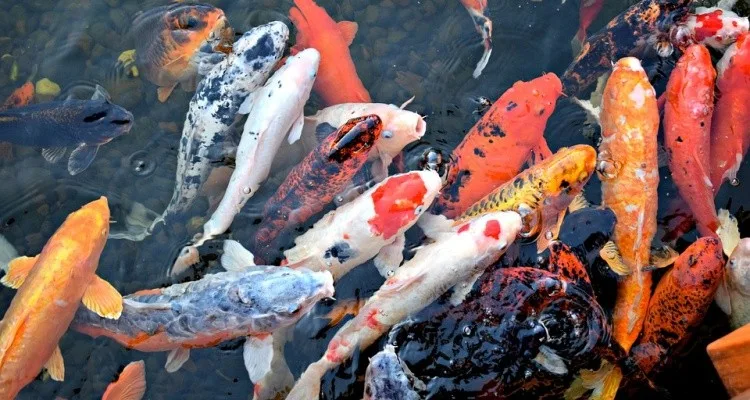
Asagi - body with blue and gray scales with red parts on the abdomen, the head should be light blue;
Bekko - koi with black color patterns on the back with a red, white, or yellow background;
Goshiki - literally means five colors, white, black, red, blue, and dark blue;
Hariwake - silver body with orange or yellow patterns;
Kawairmono - this is a term to define those that do not fit into any of the recognized patterns;
Kohaku - white body with red parts;
Koromo - white body with bluish or black scales, over reddish patterns;
Kumonryu - white body with black patterns and details;
Matsuba - net-like pattern across the body, usually metallic base color;
Ogon - solid color and pattern throughout the body;
Sanke - white body with red and black details, with no black on the head;
Showa - black body with patterns in white and red;
Shusui - white body with blue scales on the dorsal and reddish lower part;
Tancho - white body with a red circle on the head;
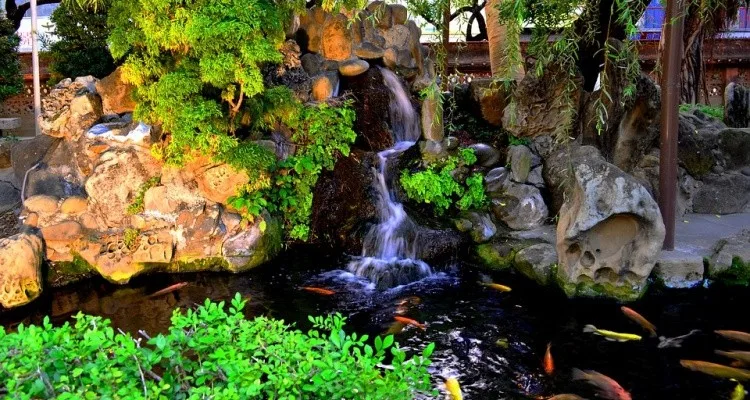
These fish should only be raised in large ponds or farms. To remain healthy, good water quality is necessary. Filtration systems should be used to maintain this water. A well-cared-for koi has a life expectancy of around 50 to 70 years. However, there are reports of Koi fish over 200 years old.
The Legends and References of Carp
According to legend, the kois had to reach the source of the Huang Ho River, which was at the top of a mountain. The kois needed to swim through valleys filled with currents, waterfalls, and cascades. The legend continues that the carp that could overcome all difficulties and reach the top would transform into a dragon.
Because of such a legend, the ascending kois generally represent strength, courage, and determination in achieving goals and overcoming difficulties. Meanwhile, the descending carp signify goals that have been achieved or realized. Such symbols and meanings are often depicted in the form of tattoos.
If you have ever watched pokemon or played any game from this franchise, you might know the pokemon called Magikarp. This pokemon is inspired by a carp and its legend. Initially, it is quite weak, but upon evolving, it becomes a large and strong dragon called Gyarados. This is a clear reference to the legend of the Koi fish.
Did you already know the origin story or the legend of the Koi fish? Let us know in the comments and share with your friends.
Kevin Henrique has written about the Japanese language, culture, anime, games, and travel since founding Suki Desu in 2014. He first visited Japan in 2016.
Community
Comments
0 comments
There are no published comments in this language yet.

 Besides koi (鯉), Japanese carp are called nishikigoi (錦鯉) mainly because they are colorful and used as decorations in ponds and water gardens. Japanese carp are symbols of love and friendship, as the word love or passion is also pronounced koi (恋).
 They noticed that depending on the circumstances, common carp changed color. This mutation is something spontaneous in the animal. At some point between 1820 and 1830, the Japanese already noticed small variations in colors among some carp and then created "mutants". From these mutations, the famous koi fish emerged.
Quickly, the popularity of the Japanese Koi fish grew. Even if their beauty was not noticed in other countries, in Japan it became the most desired fish. More than a hundred types of Koi fish have been recorded since their creation, grouped into thirteen general classes.
They noticed that depending on the circumstances, common carp changed color. This mutation is something spontaneous in the animal. At some point between 1820 and 1830, the Japanese already noticed small variations in colors among some carp and then created "mutants". From these mutations, the famous koi fish emerged.
Quickly, the popularity of the Japanese Koi fish grew. Even if their beauty was not noticed in other countries, in Japan it became the most desired fish. More than a hundred types of Koi fish have been recorded since their creation, grouped into thirteen general classes.
 These fish should only be raised in large ponds or farms. To remain healthy, good water quality is necessary. Filtration systems should be used to maintain this water. A well-cared-for koi has a life expectancy of around 50 to 70 years. However, there are reports of Koi fish over 200 years old.





Community
Comments
0 comments
There are no published comments in this language yet.
Send comment