
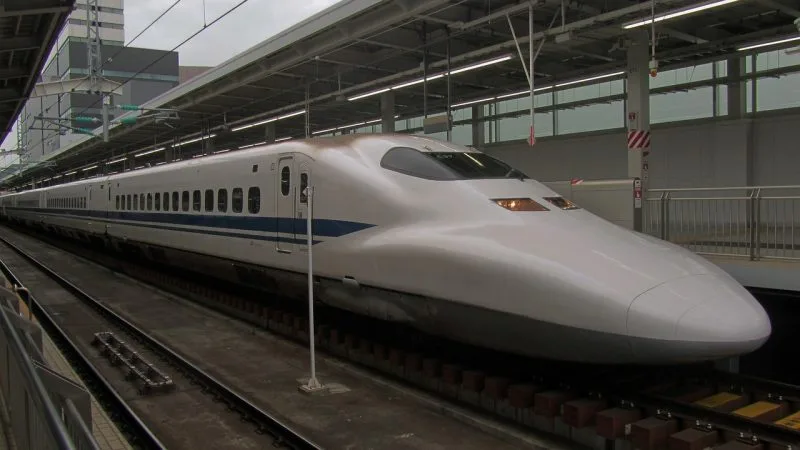
Many people planning a trip to Japan have heard of the famous JR Pass (Japan Rail Pass), a ticket that allows unlimited travel on most lines operated by the Japan Railways Group, including the Shinkansen (bullet train). In this guide, we analyze whether the nationwide pass is still worth the investment after major price revisions and explain exactly how to buy and activate it.
The nationwide JR Pass is designed specifically for international tourists and is available for consecutive periods of 7, 14, or 21 days. It allows you to ride nearly all trains operated by the six JR passenger companies without purchasing individual tickets for each journey. While pass holders were traditionally barred from using the fastest Shinkansen services, Nozomi and Mizuho, it is now possible to ride these premier bullet trains by purchasing an additional supplemental ticket for each segment.
With the JR Pass, you can travel between Tokyo, Osaka, Hokkaido, Kyushu, and hundreds of intermediate cities along the JR network. The pass offers convenience for travelers who want the freedom to board trains across the country without queueing at ticket counters for every single leg of their itinerary.
Travelers who wish to purchase their pass online before arriving in Japan can order through authorized overseas agencies or directly through the official JR reservation portal:
How much does the JR Pass cost? Where to buy the JR Pass?
Following comprehensive tariff adjustments by the JR Group, official prices for the standard Ordinary Car pass stand at 50,000 yen for 7 days, 80,000 yen for 14 days, and 100,000 yen for 21 days. For travelers who prefer first-class accommodations in the Green Car, prices are 70,000 yen for 7 days, 110,000 yen for 14 days, and 140,000 yen for 21 days.
To understand whether this investment makes sense, compare these totals with standard point-to-point fares. A one-way Shinkansen ticket between Tokyo and Shin-Osaka costs approximately 14,500 yen, making a standard round trip roughly 29,000 yen. A simple Tokyo to Osaka or Kyoto round trip will not cover the 50,000 yen cost of a 7-day pass. To break even under current prices, you need to add substantial long-distance journeys within that seven-day window, such as traveling onward to Hiroshima, Kanazawa, or Sendai.
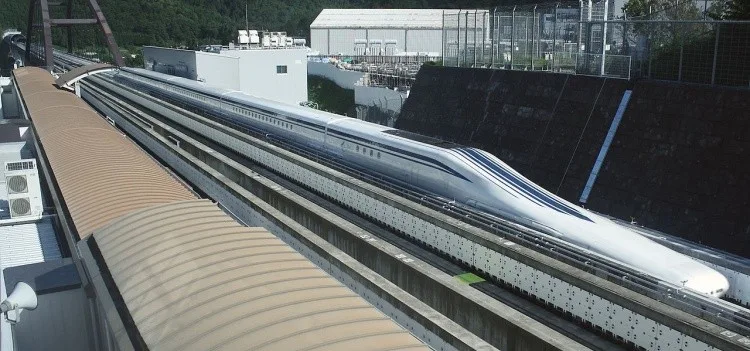
You can buy the JR Pass before traveling by ordering online through the official JR reservation website or via authorized travel agencies overseas. When purchasing through an agency, you receive a physical or digital Exchange Order (MCO) that must be exchanged for the actual rail pass upon arrival in Japan at a designated JR ticket office (Midori-no-Madoguchi) or at passport-enabled ticket vending machines. Ordering directly through the official website has the added benefit of letting you reserve train seats online prior to landing in the country.
Keep the activation timeline in mind: an Exchange Order must be redeemed in Japan within 90 days of the date it was issued. When exchanging your voucher, you select the specific start date for your travel period. Only international visitors entering Japan on a Temporary Visitor tourist status stamped in their passport are eligible to exchange and use the pass.

Is it worth buying the JR Pass?
The nationwide JR Pass was once considered an automatic purchase for almost any Japan itinerary, but higher pricing has transformed it into a specialized product for high-mileage travelers. For many popular travel plans, the nationwide pass is no longer cost-effective. For example, if you plan to explore Tokyo, Kyoto, and Osaka, booking individual bullet train tickets or open-jaw flights into Tokyo and out of Osaka is usually much cheaper.
A round trip between Tokyo and Osaka costs around 29,000 yen in individual tickets, saving you more than 20,000 yen compared to a 7-day nationwide pass. Furthermore, the JR Pass does not cover all rail transit within metropolitan regions. In the Kansai area around Osaka, Kyoto, and Kobe, many essential lines are operated by private railway companies such as Hankyu, Hanshin, and Kintetsu, which require separate tickets or IC card fares.

For travel within major cities like Tokyo and Osaka, rechargeable IC cards like Suica, Pasmo, or Icoca offer the greatest flexibility. In addition, individual JR regional companies offer specialized regional passes, such as the JR Kansai WIDE Area Pass or the Hokuriku Arch Pass. These regional tickets cost a fraction of the nationwide pass while providing thorough coverage for popular excursion corridors.
I faced a similar decision during my own trip to Hokkaido: while a nationwide pass seemed tempting on paper, I chose to take a domestic flight directly to Sapporo and then used local and regional trains as I traveled south through Sendai into central Japan. Combining a budget domestic flight with regional rail passes is often faster and significantly more economical than relying exclusively on long-distance Shinkansen travel.
In summary, the nationwide JR Pass is worth purchasing if you plan to cover long distances across multiple regions in rapid succession, such as connecting Tokyo, Hiroshima, Kanazawa, and parts of Kyushu within a single week. Before committing to a pass, calculate the total cost of your planned train journeys using an online transit calculator and compare that sum against current pass prices to see whether individual tickets or regional passes deliver better value for your trip.




Community
Comments
0 comments
There are no published comments in this language yet.
Send comment