
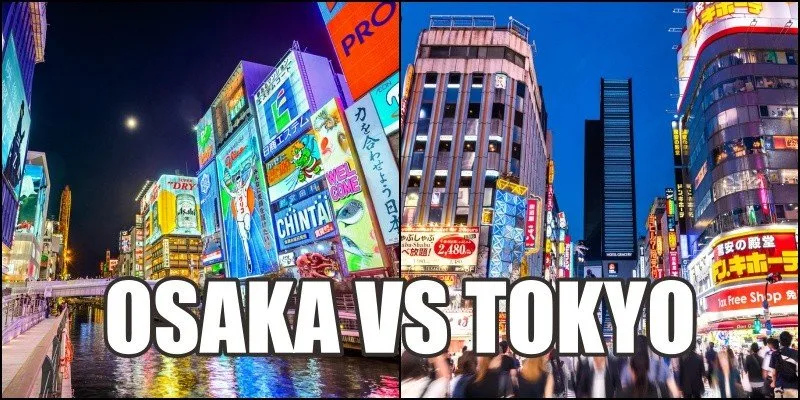
Tokyo and Osaka are the two largest cities in Japan, and the question of which one is better has been argued over for decades. The honest answer is that it depends on what you want. Tokyo is the capital of opportunity; Osaka is the city of short distances and good food. This comparison puts the main points side by side, from rent to transport to culture, and helps you decide.
Contents 8
The main differences at a glance
Tokyo is a global city with roughly 14 million residents in its 23 central wards and more than 37 million in the metropolitan area. Osaka has about 2.7 million people in the city and around 8.8 million in the prefecture, while the wider Keihanshin region with Kobe and Kyoto reaches about 19 million. Those numbers sound close, but in daily life they describe very different cities.
Tokyo is a patchwork of centres that grew over decades: Shinjuku, Shibuya, Ikebukuro, Marunouchi and Roppongi. Osaka concentrates on a few districts such as Umeda, Namba and Tennōji, but everything is closer together. Many people in Tokyo commute for an hour; many people in Osaka reach the centre in twenty minutes.
Cost and rent
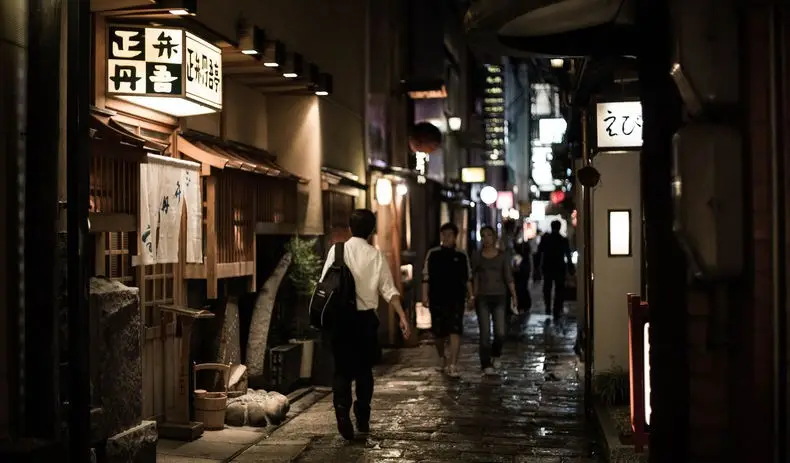
The biggest difference is housing. According to 2025 rental data compiled by the housing platform E-Housing, the average monthly rent in Tokyo is around ¥78,000, against roughly ¥62,000 in Osaka, which means Tokyo runs about 20 percent higher. For a one-room studio in central areas the gap is smaller: about ¥73,400 in Shinjuku against ¥61,900 in Osaka's Kita ward. For larger flats it widens sharply, with a 3LDK in central Tokyo averaging ¥264,200 against ¥146,500 in central Osaka.
Incomes partly offset the difference. Average annual income is roughly ¥4.55 million in Tokyo and ¥3.97 million in Osaka, so the capital pays more, but not always enough to cover the higher rent. Day-to-day spending such as eating out and transport is also 10 to 20 percent cheaper in Osaka. Tokyo offers more choice in shopping and restaurants, while Osaka rewards a smaller budget.
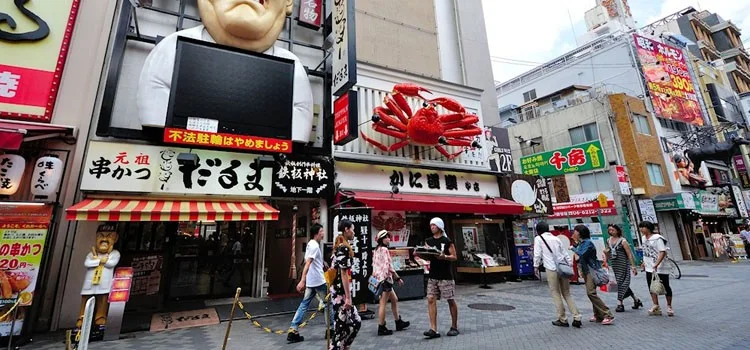
Food is where Osaka defends its reputation. Takoyaki, okonomiyaki and kushikatsu are cheap and everywhere, and the city is known as Japan's kitchen. Tokyo offers a wider range of fine dining, from sushi to ramen to cuisines from around the world. If you want to eat well on a budget, Osaka is easier; if you want variety and Michelin stars, Tokyo wins.
Transport and daily life
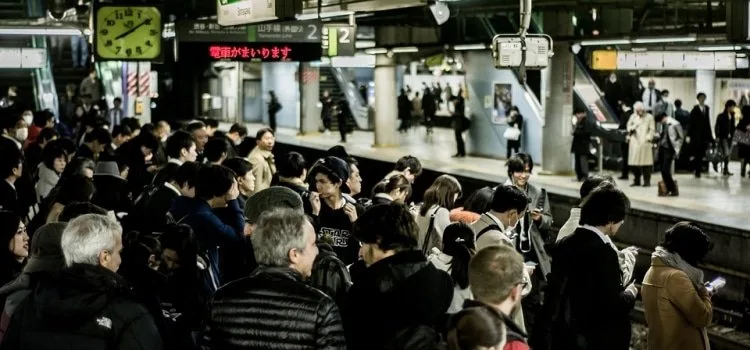
Both cities have excellent public transport, and no comparison should suggest otherwise. Tokyo has the larger and denser system, with thirteen subway lines plus many suburban railways, and it is notorious at rush hour. Osaka Metro is smaller, distances are shorter and transfers are often simpler. If you live centrally in Osaka, many trips can be done on foot.
Getting between the two cities is easy: the Shinkansen takes about two and a half hours from Tokyo to Osaka, and a flight takes a little over an hour. That makes a day trip or a move manageable. Within Japan, Osaka is also the better base for Kyoto, Nara, Kobe and Himeji, all reachable in under an hour.
Culture, tourism and the surrounding area
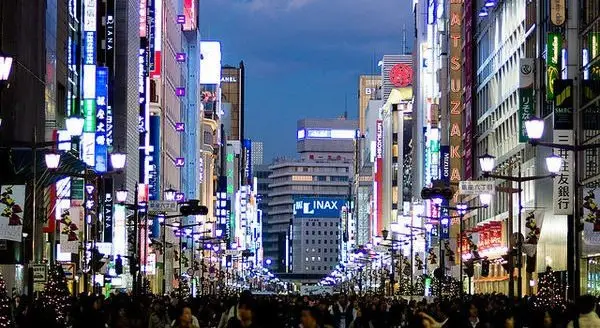
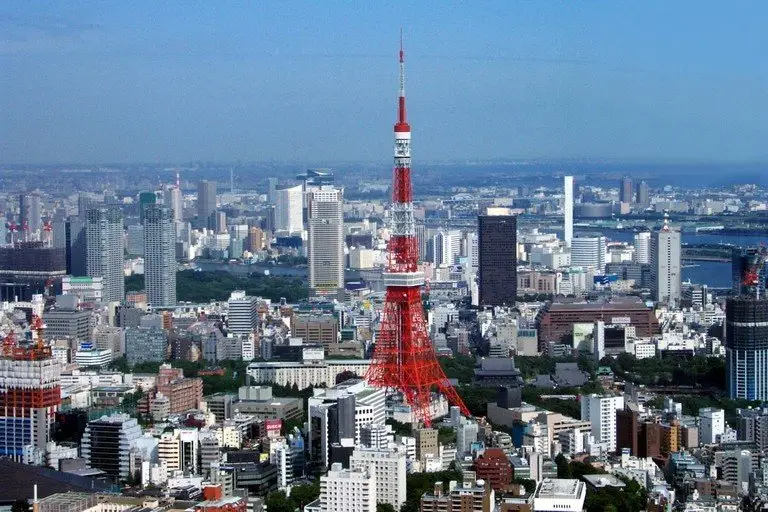
Tokyo is the centre of pop culture: anime, manga, gaming, fashion and the densest concentration of museums, galleries and concert halls in the country. From Akihabara to Harajuku to Odaiba, entire districts cater to specific interests. It also has the landmarks people recognise from films and an events calendar that only a capital can support.
Osaka is louder, more direct and shaped by humour. The city is the centre of Japan's comedy scene, and you notice it in television, street festivals and the way people talk to each other. It also has castles, the Kaiyūkan aquarium and Universal Studios Japan. If you are looking for history, you reach Kyoto and Nara faster from Osaka than from Tokyo.
Work, salaries and the future
Tokyo is Japan's job market: most international companies, embassies, media outlets and start-ups are there, and anyone building a career in a global environment finds the most options. Osaka is strong in industry, trade and logistics, with companies such as Panasonic and Itochu, and offers more room for freelancers and small businesses. Salaries in Tokyo are higher on average but do not always cover the higher costs.
The city itself got a boost from Expo 2025, which drew millions of visitors and reshaped the Bay Area with the Grand Ring and new transport links. Tokyo benefited from the 2020 Olympics and the infrastructure upgrades that followed. Both cities are growing, but Tokyo is growing faster and under more pressure.
People and mentality
One cliché says Osaka is friendlier and Tokyo colder. It is not entirely wrong, but it describes style more than warmth. In Tokyo, daily life is oriented toward efficiency and distance; in Osaka, the tone is looser, jokes come faster and conversations start more easily. If you are looking for contacts, Osaka is often quicker; if you value calm and anonymity, Tokyo.
The flip side: Tokyo has far more foreign residents and international professionals, with English-speaking doctors, schools and communities. Osaka's international scene is smaller but easier to navigate. If you arrive without Japanese, Tokyo has more support; if you learn Japanese, Osaka lets you settle into daily life faster.
Safety and quality of life
Both cities are among the safest metropolises in the world. Everyday crime is low, public transport is reliable and clean even at night, and being out alone is unproblematic for most people. Differences are in the detail: Tokyo is more anonymous and denser, Osaka louder and more relaxed. If noise and crowds are difficult for you, choose a quieter ward in Tokyo and avoid living directly on Dōtonbori in Osaka.
In summer Osaka is a little hotter and more humid; in winter both cities rarely see snow. Tokyo is larger, greener and has more parks, while Osaka is more compact and quicker to cross on foot. Both work well for families, with the difference that international schools and kindergartens are more numerous in Tokyo.
Conclusion: which city fits you?
Tokyo suits people who want career, international contacts and an endless choice of culture, and who accept higher rent and longer commutes. Osaka suits people who want cheaper housing, shorter commutes and a more relaxed city with excellent food, and who see Kyoto and Nara as part of everyday life.
For a holiday, both are worth it, and if you have time you should visit both instead of choosing. For a move, check the apartment and the commute first, then pick the city. The differences are real, but they do not concern safety, which is high in both, or basic services, which work in both.
If you want to know more, the site has articles on Osaka's attractions and districts, on Sensō-ji in Asakusa and on the Grand Ring of Expo 2025.


Community
Comments
0 comments
There are no published comments in this language yet.
Send comment