
The Japan Rail Pass is no longer sold at JR ticket counters or travel agencies inside Japan. Since October 1, 2023, travelers buy the pass online through the official website or through an authorized agency abroad, then collect it after arriving in the country. The route is simpler than the old counter system once you know the two channels. The first question is how far you plan to travel.
It remains a single ticket for long-distance travel on Japan Railways. It covers Shinkansen, limited express and local JR trains, plus a few connecting lines, the Tokyo Monorail and the JR ferry to Miyajima. The price increase of 2023 changed the calculation, so the purchase decision now depends on how far you plan to travel and how quickly.
Contents 8
What the JR Pass includes
Two classes are available. Ordinary cars cover most seats on JR trains. Green Car passes add first-class seats with more space and quieter carriages. Both are sold for 7, 14 or 21 consecutive calendar days, counted from midnight to midnight rather than in 24-hour blocks.

Coverage is broad. The pass works on almost all trains run by Japan Railways, the group that also operates the Shinkansen. Our guide to Japanese railway companies explains where JR ends and private operators begin. The Tokyo Monorail between Hamamatsucho and Haneda Airport is also included, along with the JR ferry from Miyajimaguchi to Miyajima, a small number of non-JR access lines and some local JR buses. Seat reservations at JR ticket offices and machines are free.
Some services sit outside the pass. Private railways and subways are not covered, and neither are highway buses. Berths and private compartments on night trains require a supplement. The fastest Tokaido, Sanyo and Kyushu Shinkansen services, Nozomi and Mizuho, need a special ticket that we explain below.
The two ways to buy it
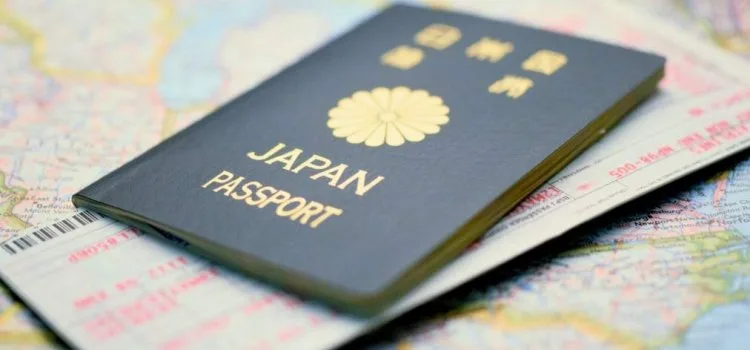
Official website. The Japan Rail Pass Reservation site sells the pass at the lowest price. You enter your name, passport number and travel dates, pay by credit card and choose a start date within one month. The date can be changed later. After arrival, collect the pass at a major JR station ticket office or at a reserved-seat ticket machine with a passport reader. You need your passport with the Temporary Visitor stamp or sticker, and no paper voucher.
Authorized agency abroad. Companies such as JTB, Nippon Travel Agency, Kintetsu International and Tobu Top Tours sell an Exchange Order before you leave. The order must be turned in for the actual pass within three months of issue, at a JR exchange counter in Japan. You can collect it from one month before your chosen start date. Agency prices run slightly higher than the official website, and some agencies offer package deals or additional services.
Both routes end at the same place: a JR counter or a passport-reading machine inside Japan. The difference is the price, the payment method and the flexibility to change the start date.
What it costs after the 2023 increase
Prices rose by around 70 percent on October 1, 2023. The current adult rates are:
| Validity | Ordinary, official site | Ordinary, agency | Green Car, official site | Green Car, agency |
|---|---|---|---|---|
| 7 days | 50,000 yen | 53,000 yen | 70,000 yen | 74,000 yen |
| 14 days | 80,000 yen | 84,000 yen | 110,000 yen | 116,000 yen |
| 21 days | 100,000 yen | 105,000 yen | 140,000 yen | 147,000 yen |
Children aged 6 to 11 pay half the adult fare. Payment on the official site is settled in yen. An overseas agency converts the amount to your local currency at the exchange rate on the day the Exchange Order is issued, so the final charge can differ from the price you see in yen.
Who can use the pass
Eligibility is limited to short-term visitors. You need a passport with a Temporary Visitor stamp or sticker, granted on arrival for stays of up to 90 days. The stamp is issued at immigration, and the guide to arrival at Japanese airports explains the Visit Japan Web steps. Japanese nationals who have lived abroad for at least ten consecutive years can also qualify with written proof from a Japanese embassy or consulate, and they must use the overseas agency route. Residents of Japan are not eligible.
At pickup, JR staff check your passport in person. A photocopy is not accepted. The pass is personal and cannot be shared or transferred, and staff may ask to see your passport on the train.
Where to pick it up in Japan
Pickup points include the JR counters at Narita and Haneda airports, Tokyo, Shinagawa, Shinjuku, Ueno, Kyoto, Shin-Osaka, Osaka, Kansai Airport, Hiroshima, Hakata and other major stations. The official website lists the full set with opening hours. If you bought online, selected reserved-seat ticket machines in the JR East and JR West areas can print the pass after you scan your passport.
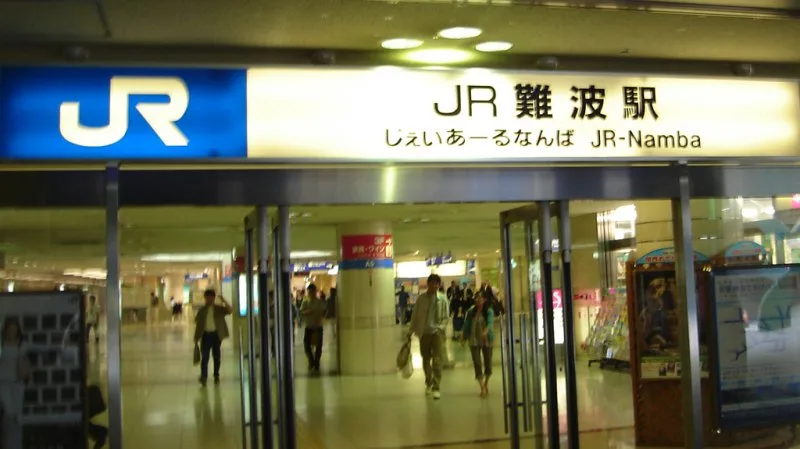
My own experience belongs to the old system. I bought a regional pass at the JTB counter inside Namba Station in Osaka, back when those counters still sold passes to travelers. I paid 26,000 yen for a Sanyo-San'in and northern Kyushu pass and noticed a 7-day national pass on offer for the same amount. Those prices and that counter route belong to the years before the 2023 change. The memory is useful for one reason: it shows how much of the purchase moved from a desk in Japan to a website you open before the trip.
Nozomi and Mizuho: the supplement
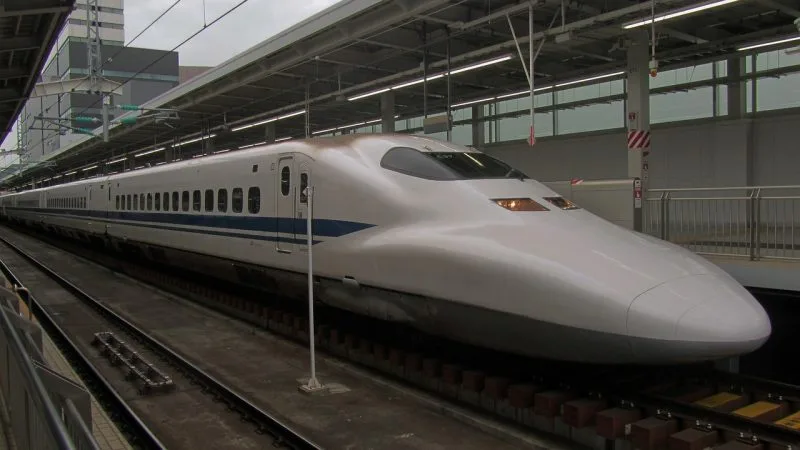
Nozomi and Mizuho trains are the fastest options on the Tokaido, Sanyo and Kyushu Shinkansen. The base journey is covered, but you need a special Nozomi Mizuho Ticket for the express portion. The supplement depends on the distance and is the same for reserved, unreserved and Green Car seats. Green Car pass holders can use those seats.
Common supplements: Tokyo to Nagoya 4,180 yen, Tokyo to Kyoto or Shin-Osaka 4,960 yen, Tokyo to Hiroshima 6,500 yen, Tokyo to Hakata 8,140 yen, Shin-Osaka to Hiroshima 4,170 yen, Shin-Osaka to Kagoshima-Chuo 9,460 yen and Hakata to Kagoshima-Chuo 4,500 yen. Hikari and Sakura trains cover the same routes without the supplement, so the pass still works well if you can accept a slightly longer journey.
When the pass pays off
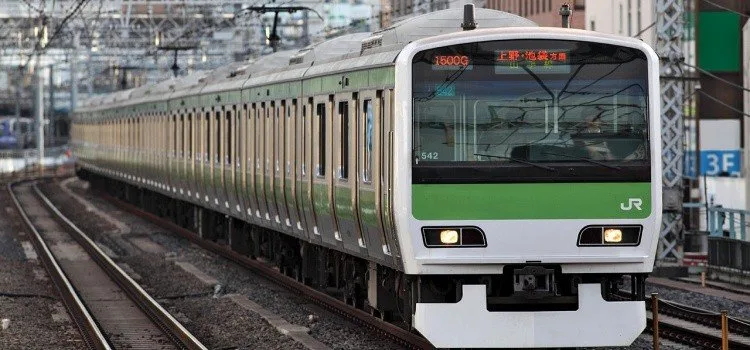
After the price increase, the pass usually costs more than point-to-point tickets on a short trip. It makes sense for long distances covered in a short window, such as Tokyo, Kyoto, Hiroshima and Kanazawa within seven days, or for several long side trips from one base. A trip that stays inside Tokyo or Osaka will not recover the cost, even though the Yamanote Line and the Osaka Loop Line are covered.
Compare the pass against individual Shinkansen tickets for your exact route. Regional passes can be cheaper when you stay in one area, and the JR West and JR Kyushu networks sell several options. Discount ticket shops, known as kinken, sometimes beat both the pass and the official fare for a single route. If this is your first trip, the guide to taking a train in Japan covers gates, tickets and transfers.
A short checklist before you buy
- Confirm that your entry status will be Temporary Visitor.
- Map your long-distance legs and compare the total with the pass price.
- Choose the official site for the lowest price and online seat reservations, or an agency for local payment and package extras.
- Check that your pickup station or airport counter is open when you arrive.
- Keep your passport with you at pickup and on the train.
The JR Pass still delivers its original promise: one ticket, no queues at the ticket window for every ride, and the freedom to change plans. The purchase now starts online, often weeks before the flight, and the pass waits for you at a JR counter in Japan. Check the route, compare the price and choose the channel that fits your trip. With the 2023 rules in hand, the decision takes a few minutes and saves the guesswork at the station.



Community
Comments
0 comments
There are no published comments in this language yet.
Send comment