
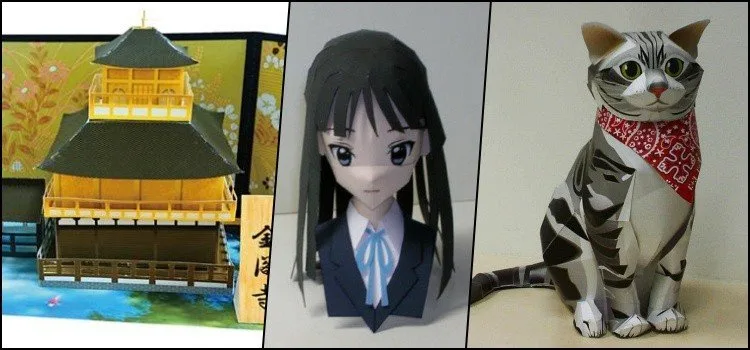
Papercraft, known in Japanese as pepakura (ペパクラ), is a method of building three-dimensional objects from paper. It sits beside origami in the same family of paper arts. The usual pepakura sheet already carries the colors and line art, so the work is to cut, fold, and glue the pieces into a finished figure.
Templates for anime characters, games, cartoons, buildings, and animals are easy to find online, print at home, and assemble. That download-and-print habit is why the craft spread so far among fans who want a small object of a character they already know.
Contents 3
Where printed paper models come from
Folding objects from paper is as old as origami. The printed paper models now sold as papercraft took a commercial shape in Europe. Sheets appeared in French toy catalogs around 1800, and nineteenth-century teachers in Germany used cardboard modeling as a classroom craft.
Interest jumped again during World War II, when paper toys were easier to produce than metal ones. In England from 1941, Micromodels published tiny kits of ships, aircraft, and buildings. Cheap plastic kits later pulled a lot of hobbyists away. Home printers and the internet brought the nets back: Canon, Yamaha, and other companies have released official downloadable models, and fans share files for characters, mecha, and architecture.
Japanese speakers usually say ペーパークラフト (pēpā kurafuto), shortened to ペパクラ. The nickname traveled with the software that unfolds a 3D model onto printable pages, and it now sits among other Japanese art forms that start from a flat sheet.
How a pepakura model is built
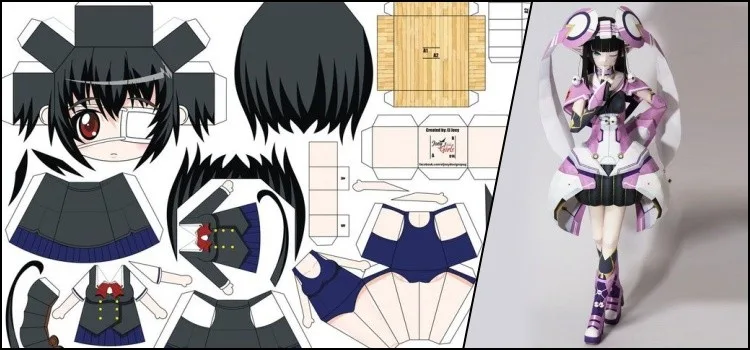
A typical net is a set of polygons with fold lines and glue tabs. Print on cardstock rather than thin copy paper, score the folds so they crease cleanly, cut the solid outlines, and join the tabs with white glue or a similar adhesive. Curves on a character are approximated with many small flat faces, which is why a finished pepakura figure often looks faceted, closer to an early 3D game model than to a smooth statue.
The English word papercraft can cover almost any work made with paper. The pepakura in these photos is the character-and-object kind: printed parts assembled into a hollow three-dimensional form.
Harder papers hold the shape better. Some builders coat the surface with paint or resin so the model lasts longer. Others fill the hollow interior with foam so it does not crush. The same method scales up for cosplay helmets and armor: print larger, assemble the paper shell, then harden it before painting.
Pepakura Designer and character templates
The Windows program Pepakura Designer, made by Japan's Tama Software, imports a 3D model in formats such as OBJ or STL and unfolds it into a 2D layout with numbered edges and glue flaps. You can open ready-made files in a free viewer; saving and exporting your own unfold usually needs a paid license. The Japanese version appeared in 2002, and an English release followed the next year. The software is still maintained.
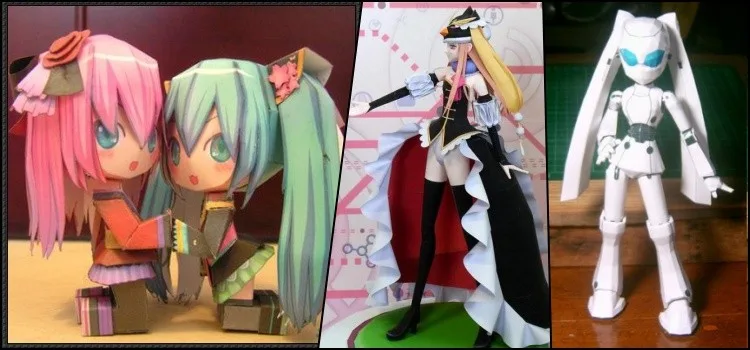
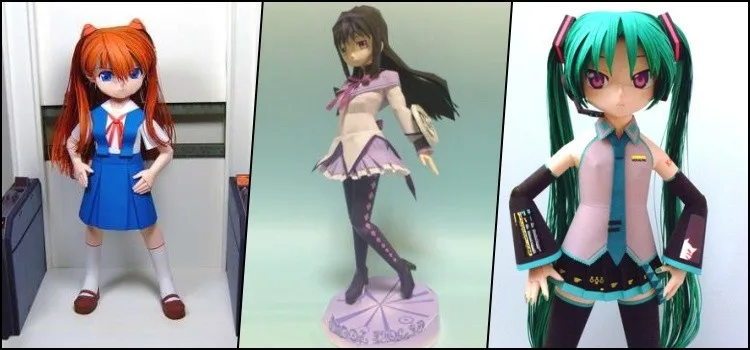
Once a low-polygon model exists, a template for a favorite character can be printed instead of drawing every panel by hand. Vocaloid, anime, and game papercrafts are common for that reason, from chibi figures that sit on a desk to life-size props. Some companies still publish official promotional models. A large share of what people actually assemble is fan-made.
If you have never built one, start with a small printed character on cardstock rather than a helmet. Have you ever assembled a pepakura? Look up the papercraft of a character you like, keep the first model simple, and if you finish it, a photo in the comments is always welcome.


Community
Comments
0 comments
There are no published comments in this language yet.
Send comment