
The yakisoba is a traditional dish of Japanese cuisine, widely appreciated around the world for its combination of strong flavors and varied ingredients. Although many people associate the dish with a quick preparation or even less nutritious options, the truth is that yakisoba can be healthy, depending on how it is prepared and the ingredients used.
Next, we will explore the benefits of this delicacy and how it can be part of a balanced diet.
Contents 13
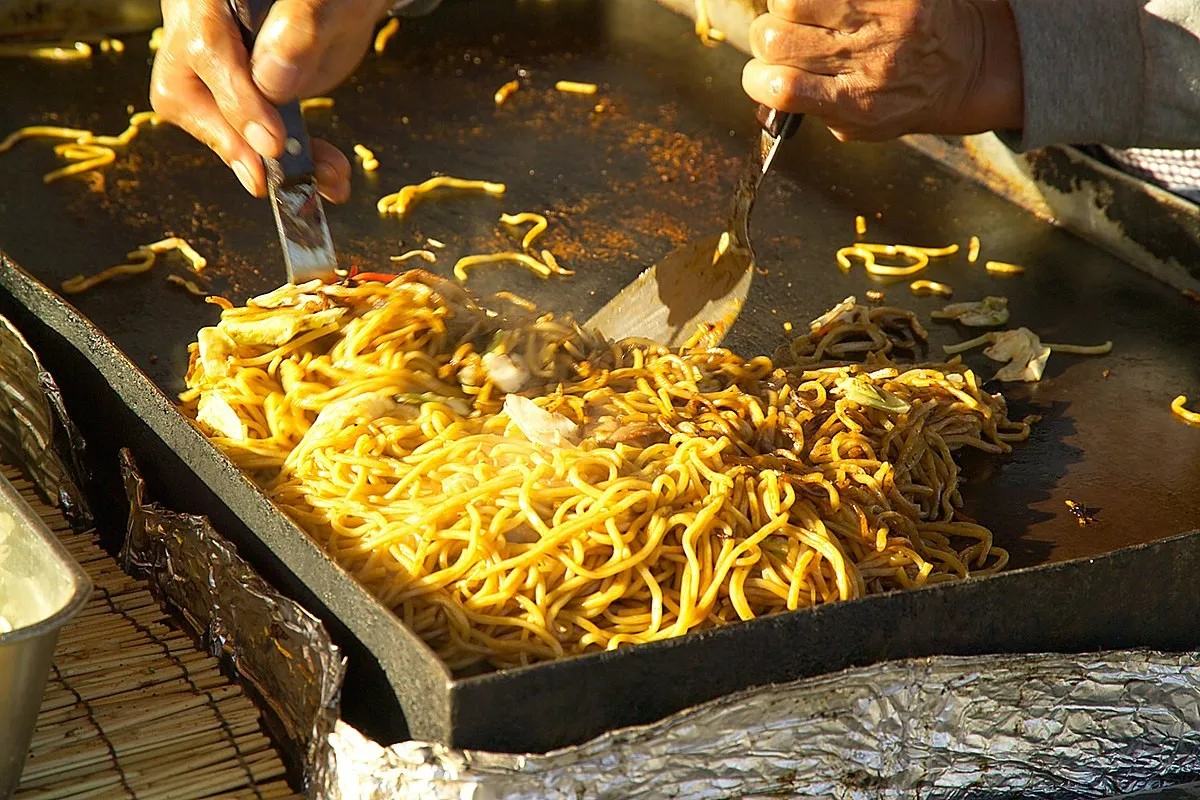
What is Yakisoba?
Yakisoba, which literally means "fried noodles," consists of stir-fried noodles with a mix of vegetables and proteins (such as beef, chicken, shrimp, or tofu), seasoned with typical sauces, such as soy sauce. This dish is versatile and can be adapted to individual dietary preferences and nutritional needs.
Benefits of Yakisoba
Source of Essential Nutrients
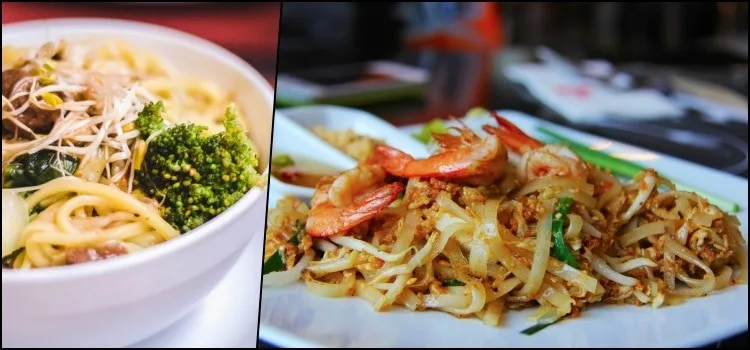
The ingredients of yakisoba typically include vegetables such as carrots, cabbage, broccoli, and bell peppers, which are rich in vitamins (A, C, and K), fiber, and antioxidants. These nutrients help strengthen the immune system, improve digestion, and combat free radicals.
Rich in Proteins
By including protein sources such as chicken, beef, shrimp, or tofu, yakisoba becomes a nutritionally complete option. Protein is essential for muscle building, tissue repair, and enzyme production.
Low in Fats, if Prepared Correctly
When prepared with healthy oils, such as sesame oil or olive oil, yakisoba can be a meal low in saturated fat. Excessive use of oils or processed sauces can be avoided to make it lighter and healthier.
Adaptable to Dietary Restrictions
Yakisoba can be easily adapted for vegetarian, vegan, or even gluten-free diets by replacing traditional noodles with options made from rice or spiralized vegetables, and choosing plant-based proteins.
Promotes Satiety
Thanks to the combination of carbohydrates, proteins, and fibers, yakisoba provides satiety, preventing excessive calorie consumption in other meals.
Versatility in Ingredients
The ability to vary the ingredients allows for the incorporation of different food groups and avoids monotony in the diet. Additionally, the dish can be adjusted to reduce sodium or calories by choosing homemade and less processed sauces.
Encourages Vegetable Consumption
For those who have difficulty consuming vegetables regularly, yakisoba is a tasty and practical way to introduce them into the diet, due to the balance between the flavors of vegetables, proteins, and seasonings.

Can Yakisoba Be an Unhealthy Option?
Despite the benefits, it is important to be careful with some common practices in the preparation of yakisoba that can make it less healthy:
- Excess oil: The excessive use of oils in frying can raise the caloric content of the meal.
- Industrial sauces: Many ready-made sauces have high sodium content and preservatives. Prefer homemade versions or those with less sodium.
- Instant noodles: Although convenient, they may contain trans fats and additives. Opting for fresh or whole grain noodles is more advisable.
How to Make Yakisoba Healthier?
- Choose whole grain or rice-based noodles to increase fiber content.
- Reduce salt by using natural seasonings like ginger, garlic, and herbs.
- Include a variety of vegetables to ensure a wide range of nutrients.
- Opt for lean proteins, such as chicken breast, tofu, or seafood.
- Avoid frying by steaming or sautéing the ingredients with little oil.
Conclusion
The yakisoba can be a healthy and balanced meal, as long as it is prepared with attention to the quality of the ingredients and the method of preparation. Its versatility allows it to adapt to different lifestyles and dietary preferences, making it an excellent option for practical and nutritious meals.
FAQ
Does yakisoba make you gain weight?
Yakisoba is not, by itself, a food that makes you gain weight. It all depends on the amount consumed, the ingredients used, and the method of preparation. Versions with less oil and more vegetables are lighter and healthier.
Can yakisoba be consumed in weight loss diets?
Yes, especially if the dish is adapted to contain more vegetables, lean proteins, and whole grain noodles, in addition to avoiding processed sauces.
Is it possible to make vegan yakisoba?
Absolutely! Replace animal proteins with tofu, tempeh, or mushrooms and use egg-free noodles.
How many calories are in a plate of yakisoba?
Calories vary depending on the ingredients and portions, but an average plate of homemade yakisoba can contain between 300 to 500 calories.Is yakisoba suitable for children?
Yes, especially as it is a practical way to include vegetables in children's diets. Adjust the seasonings to make it lighter and more pleasant to children's palates.



Community
Comments
0 comments
There are no published comments in this language yet.
Send comment