

Have you ever wondered what the word subarashii [素晴らしい] really means in Japanese? While commonly translated as "wonderful," "splendid," or "magnificent," the term carries deep nuance depending on the situation, ranging from dignified praise for an admirable achievement to sincere awe before a breathtaking view.
As a true i-type adjective [い形容詞], it is commonly written with the kanji characters [素], meaning elemental or bare, and [晴], meaning clear weather. At first glance, these ideograms seem disconnected from the idea of grandeur, raising curious questions about how they came together.
Pop culture fans frequently encounter the term across anime and manga. The popular light novel and anime series KonoSuba plays on this word directly in its title, Kono Subarashii Sekai ni Shukufuku o! (God's Blessing on This Wonderful World!). Meanwhile, villains like Goku Black in Dragon Ball Super repeatedly utter "Subarashii!" with theatrical relish whenever admiring their own plans, turning the phrase into a beloved internet meme.
Contents 4
Etymology and origin of subarashii
Linguistically, subarashii originated from the classical verb subaru [窄る], meaning to shrink, contract, or become narrow. Combined with the adjectival suffix -shii [しい], the word initially described something overwhelming enough to make an onlooker shrink back or feel humbled.
Because of this origin, the early meaning of the word was negative, conveying something severe, dreadful, or astonishingly intense. This negative connotation persisted into the mid-18th century during the Edo Period, when speakers began using it as an intensifier for remarkable situations. Over time, the positive sense of magnificence overtook the older usage. A similar semantic shift occurred in English with the adjective terrific, which originally meant causing terror before evolving into high praise.
The characters chosen to write the word represent a classic case of ateji [当て字]. Writers selected the characters [素] and [晴] for their pleasant phonetic reading and bright imagery rather than their direct etymological link to the archaic verb subaru [窄る].
Synonyms and related words
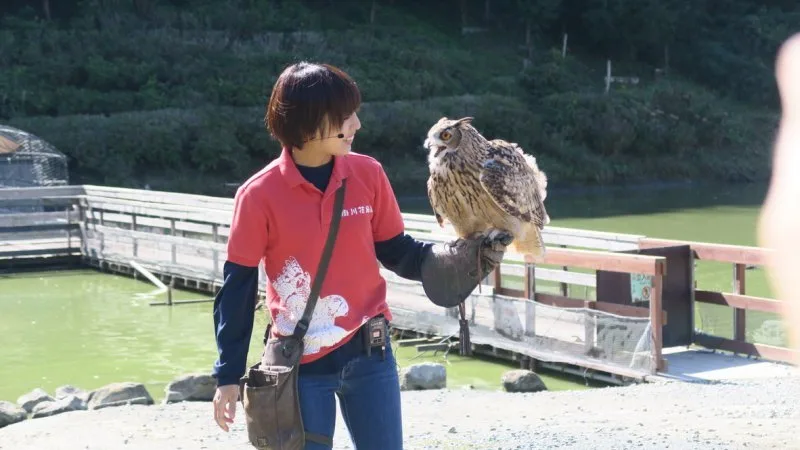
Sugoi [すごい] also means incredible, great, or magnificent. In daily life, sugoi is predominantly conversational, used among friends and family as an energetic exclamation of surprise. By contrast, subarashii is more formal, polite, and complete, making it ideal for speeches, professional praise, or formal writing.
Another related adjective is suteki [素敵], which translates to charming, lovely, pleasant, or nice. While subarashii emphasizes excellence and awe, suteki often describes visual elegance, good taste, or personal charm. You may occasionally see an alternative orthography [素晴しい], where the syllable [ら] is absorbed into the reading of the kanji [晴].
Learners expanding their emotional vocabulary will also benefit from exploring omoshiroi for things that are intriguing or entertaining, as well as the distinctions between ureshii and tanoshii when describing joy and shared happiness.
Common antonyms contrasting with subarashii include hidoi [ひどい] (cruel, terrible, severe), kitanai [きたない] (dirty, filthy), iyashii [いやしい] (vulgar, coarse, greedy), and minikui [みにくい] (ugly, unattractive).
Inflection and conjugation
The adverbial form of the adjective subarashii is subarashiku [素晴らしく], meaning wonderfully, splendidly, or magnificently. Because it behaves as a standard i-adjective, it conjugates systematically across formal and informal registers:
| Inflection | Japanese | Romaji |
| Imperfect (未然形) | 素晴らしかろ | subarashikaro |
| Continuous (連用形) | 素晴らしく | subarashiku |
| Terminal (終止形) | 素晴らしい | subarashii |
| Attributive (連体形) | 素晴らしい | subarashii |
| Hypothetical (仮定形) | 素晴らしけれ | subarashikere |
| Imperative (命令形) | 素晴らしかれ | subarashikare |
| Informal negative | 素晴らしくない | subarashiku nai |
| Informal past | 素晴らしかった | subarashikatta |
| Informal negative past | 素晴らしくなかった | subarashiku nakatta |
| Formal | 素晴らしいです | subarashii desu |
| Formal negative | 素晴らしくないです | subarashiku nai desu |
| Formal past | 素晴らしかったです | subarashikatta desu |
| Formal negative past | 素晴らしくなかったです | subarashiku nakatta desu |
| Conjunctive | 素晴らしくて | subarashikute |
| Conditional | 素晴らしければ | subarashikereba |
| Provisional | 素晴らしかったら | subarashikattara |
| Volitional | 素晴らしかろう | subarashikarō |
| Adverbial | 素晴らしく | subarashiku |
| Degree | 素晴らしさ | subarashisa |
Example Sentences of Subarashii
あなたの成績はすばらしいです。
Anata no seiseki wa subarashii desu.
Your grades are splendid.
あれは素晴らしい作品ですね。
Are wa subarashii sakuhin desu ne.
That is a wonderful piece of work.
要するに、そのパーティーはすばらしかった。
Yōsuru ni, sono pātī wa subarashikatta.
In short, the party was fantastic.
本当に素晴らしいですね。
Hontō ni subarashii desu ne.
It is truly wonderful.
富士山がすばらしい眺めだった。
Fujisan ga subarashii nagame datta.
Mount Fuji offered a magnificent view.
彼女は素晴らしい女性だ。
Kanojo wa subarashii josei da.
She is a wonderful woman.
彼はとてもすばらしいテニス選手です。
Kare wa totemo subarashii tenisu senshu desu.
He is an excellent tennis player.
すばらしい話をふたつ紹介します。
Subarashii hanashi o futatsu shōkai shimasu.
Let me share two great stories with you.
Mastering subarashii gives you an elegant, respectful way to express genuine admiration in Japanese. While casual interactions with close friends often favor quick exclamations like sugoi, choosing subarashii adds dignity and heartfelt weight to your praise, whether you are admiring an inspiring speech, celebrating a milestone achievement, or enjoying memorable art.






Community
Comments
0 comments
There are no published comments in this language yet.
Send comment