
Japan often looks like a finished postcard: trains that run on time, polite service, safe streets, and culture that feels carefully staged. Then someone tells the first story that does not fit the brochure — a closed door for a foreigner, a workplace that never really ends, a silence that lasts months — and the picture gets more complicated.
The dark side of Japan is rarely a single scandal. It sits in everyday tempo, in social standards, and in the feeling that one mistake can stick. Looking closer does not mean inventing a “bad Japan.” It means seeing a society that demands a lot — and sometimes loses people along the way.
Contents 8
A country for foreigners (not so much)
Japan is often sold as a strong destination for travel, work, and a higher quality of life. At the same time, daily life for foreigners can feel two-layered: service is polite, belonging is not automatic. Some people face almost no friction. Others run into distance, apartment refusals, awkward stares, or soft exclusion — the kind that sounds like praise while still drawing a line.
In many areas Japanese life runs on “hard mode”: clear rules, little room for deviation, high expectations of adaptation. Without Japanese, the slope gets steeper. Language is not only for shopping; it is how you read nuance, build trust, and stop living forever as a guest.
It is still wrong to paint all Japanese people as racist. Discrimination exists — as it does in many countries — and in some situations it can feel sharper. In schools and youth contexts, ijime (いじめ), bullying, is a serious issue and connects with psychological pressure and suicide risk.
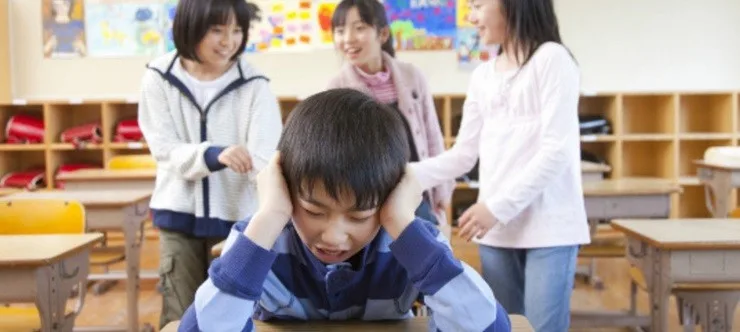
Even inside Japanese society, prejudice can hit people who do not fit tight norms. The social pressure is real, and it often feels as if every slip is being graded in public. Related reading on Suki Desu includes pieces on how Black people are treated in Japan, on establishments that refuse foreigners, and on the words gaijin and gaikokujin.
Bureaucracy and public agencies
Hospitals, repairs, and many public processes can look almost frictionless. The other side is paperwork, stamps, appointments, and long queues of procedures — especially when a foreigner needs documents, translations, and interpreters. Useful systems can still exhaust you.
Taxes and fines can feel high, yet many residents argue the trade-off is better than paying for services that never arrive. Still, every government is human. Waiting, confusion, and unsolved cases exist here too; smooth infrastructure does not cancel frustration.
Food, money, and daily trade-offs
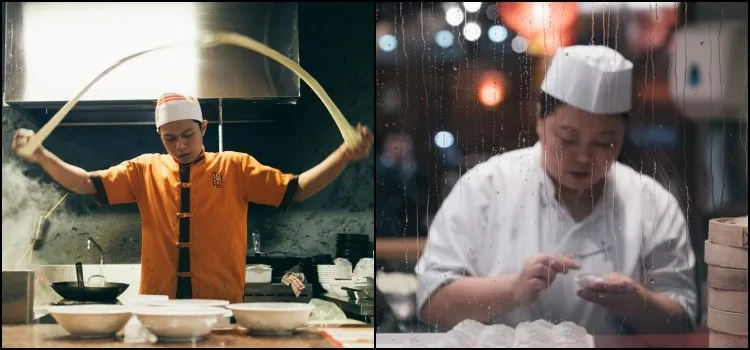
Japan offers a wide range of products, with prices that often make more sense against local salaries than against tourist exchange rates. Convenience culture is strong: konbini meals, ready dishes, and long workdays that leave little energy for cooking.
Imported goods are common, and quality is usually high by everyday standards, but “clean Japan” is not a magic shield. People still balance health against convenience. When time is short, the dark side is not a conspiracy — it is the quiet choice between rest, money, and what ends up on the plate.
Safety, crime, and natural risk
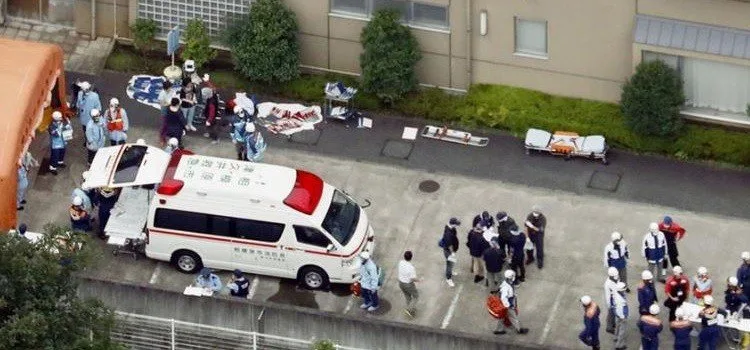
Japan is one of the safest countries in the world for street crime, and that reputation is earned. Crimes still happen, and when they do, the stories can feel unusually sharp precisely because everyday safety is so high. Safety also does not cancel nature: earthquakes, typhoons, volcanoes, and tsunami risk remain part of the mental map.
Work pressure, karoshi, and the social standard
A large share of the pressure people feel is not abstract culture — it is work. Long hours, unpaid overtime culture, and the idea that loyalty means staying late still shape many workplaces. The extreme end has a name: karoshi (過労死), death from overwork, often linked to heart attack, stroke, or suicide under crushing stress (karōjisatsu).
The point is not that every office is lethal. It is that the social standard leaves little room for failure. A public mistake, a legal problem, or even family scandal can stain a reputation for years. Companies and communities often want people who fit the mold completely. That perfectionist climate is one reason some foreigners struggle: the bar is high, and recovery after a fall can feel short.
Work reform and “no overtime” experiments exist, but cultural inertia is sticky. For many residents, the dark side is simply never fully clocking out.
Hikikomori and social withdrawal
When pressure, shame, bullying, or exhaustion pile up, some people leave the stage entirely. Hikikomori (引きこもり) describes prolonged social withdrawal: staying mostly at home for months or years, cutting school, work, and outside relationships. Japanese guidelines and surveys treat it as a serious social phenomenon, not a meme about “shy kids.”
Causes vary — school trauma, workplace failure, family dynamics, mental health — but the pattern fits a society that prizes conformity and makes re-entry hard. Once someone drops out of the expected path, the path back can look blocked. That is why hikikomori belongs in any honest map of Japan’s quieter crises, alongside works about bullying and suicide.
Housing: rent, space, and expensive land
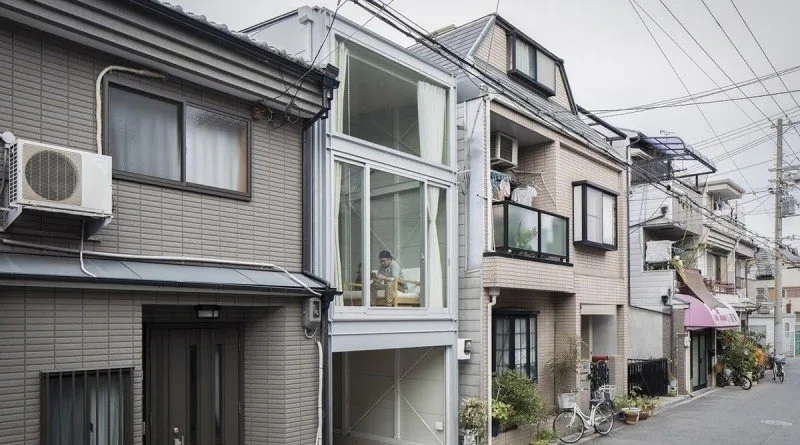
Homes can be small, especially in big cities, and wooden houses in the countryside surprise people used to concrete towers. Taste differs: some love compact living; others feel boxed in. For many foreigners, the harder part is the market itself — deposits, guarantors, refusals, and the feeling that buying land is out of reach while rent never ends.
Taboos, sexuality, and double standards
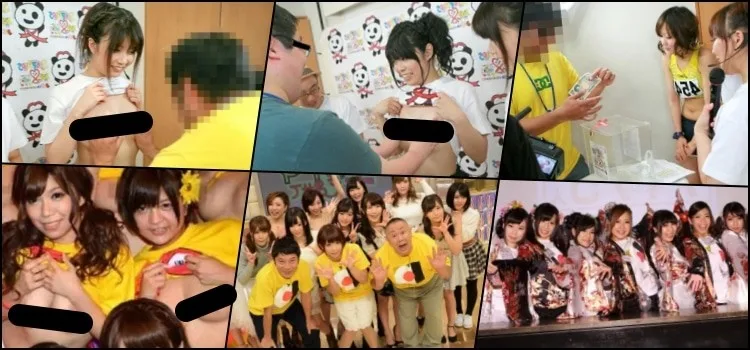
Japan’s public manners are often reserved, while parts of media and niche adult culture are extremely explicit. That contrast confuses visitors: on the train, people lower their voices; online and in certain entertainment niches, boundaries look completely different. Adult content is a major industry, and debates about what appears in manga, anime, and subcultures keep returning — including concerns around loli-coded material and the line between fiction and harm.
Daily speech is not full of loud sexual jokes the way some Western streets are. Exposure is more optional and more compartmentalized. Still, risks exist: stalking, voyeurism cases, and communities that normalize unhealthy obsessions. Curiosity is one thing; ignoring consent and legal lines is another. Related context on Suki Desu includes a careful look at lolita / lolicon terms.
None of this cancels Japan’s beauty, safety, or creativity. It only means the postcard is incomplete. Social pressure, work culture, withdrawal, bureaucracy, housing, and quiet taboos are part of the same country that also offers kindness, craft, and order. Seeing both sides is how you understand Japan without fantasy — and without cheap hate.


Community
Comments
0 comments
There are no published comments in this language yet.
Send comment