
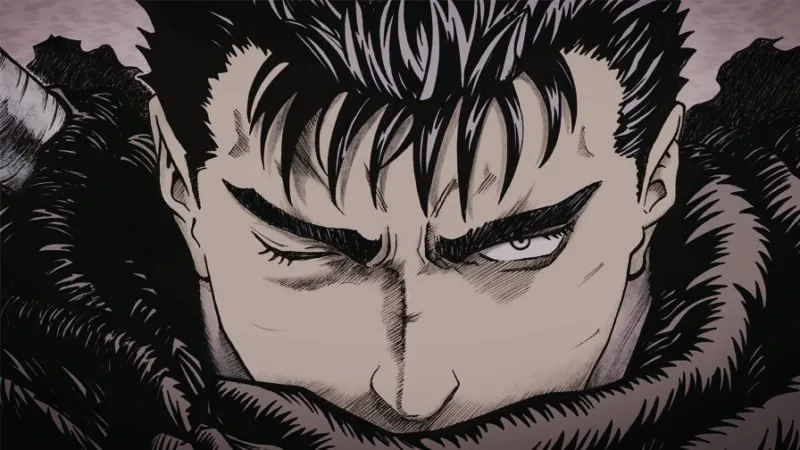
Manga (漫画) basically means comic book. These stories have won over not only the Japanese but fans all over the world.
The good otaku surely has their favorite manga and always keeps an eye out for when the anime inspired by that manga will be released! There is no age or gender for this passion.
And there is manga for all kinds of tastes such as action, adventure, business and commerce, comedy, detective, drama, horror, mystery, romance, fantasy, sexuality, suspense, and many others.
But have you ever wondered how it all started and why it caught the attention of people from other countries? Discover all of this now!
Contents 4
How did manga originate?
It is believed that the first evidence of manga with the characteristics we know today was through the Oricom Shohatsu (Theater of Shadows).
These theaters were known for telling legends with puppets during the feudal period. Over time, these legends began to be written on rolls of paper and contained illustrations.
The term Manga emerged in the nineteenth century in the year 1814, but it was not yet like our modern manga. The author to use this term was Katsushika Hokusai, but until then this type of artistic expression was known as ukiyo-e.
The term manga was used when Hokusai created his collection of humorous stories on various subjects and named it Hokusai Manga, which lasted until 1878.
After his death around 1850, mangas began to gain popularity among Europeans.
This happened because after the end of the Shogunate, Japan found itself in need of forming alliances to boost the economy and then partnered with the United States.
Then after that, the artist and cartoonist Charles Wirgman had a strong influence when he created the Japan Punch in 1862. This magazine spoke in satirical ways about Japanese conflicts.
But investing in mangas was not a simple task; no one would even imagine it would be a success worldwide. But the first to invest and believe in mangas was Rakuten Kitagawa, who created comic stories.
Rakuten Kitagawa's manga was published in 1902 and told the story of two peasants who had to deal with life in the big city. This story marked the beginning of modern manga.
Kitagawa also founded a school specialized in mangas, where many cartoonists and animators graduated.

Curiosities about mangas
- Mangas make up at least 40% of everything printed in Japan.
- In 2006 alone, mangas generated over 4 billion dollars, becoming one of the largest markets in the world with 750 million copies sold.
- The largest consumers of mangas are: USA (over 200 million dollars in sales), France, and Germany.
- The ten countries where mangas are most popular are: 10. Spain, 9. Japan, 8. Mexico, 7. Philippines, 6. United States, 5. Russia, 4. Brazil, 3. Indonesia, 2. India, 1. China.
- The plot is published chapter by chapter in almanacs of up to five hundred pages.
- Most almanacs are made of recyclable paper.
- Writers write an average of twenty pages per week and have the help of a team for illustration.
- In Japan, mangas are advertised with the stories most famous at the moment on billboards, train stations, and even inside train cars.
- In Japan, mangas are displayed more in stands than newspapers considered of large circulation.
- A manga does not always generate an anime; the opposite can happen, as in the case of Gundam, the most famous giant robot in Japan.
- The most visited place by manga fans is in the Akihabara district.
- Japanese citizens usually spend an average of 117 reais on mangas annually (it is cheaper there).
- One of the most popular is One Piece, which has sold over 480 million copies worldwide since 1997.
- 60% of manga fans are women.
- The genre that attracts the most attention is science fiction;
What differentiates mangas from common comic books?
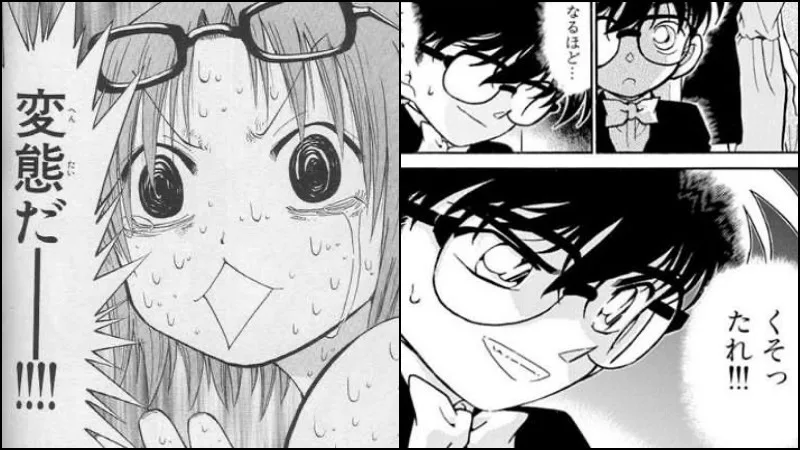
The characteristics of mangas are so strong that it doesn't take much effort to identify them compared to other stories.
This happens because generally the characters have striking features such as big eyes, exaggerated expressions like rosy cheeks, little drops of blood from the nose, among numerous others.
All of this likely happens because before the term itself, caricatures were made, and one characteristic of them is the striking expressions.
The protagonist usually has an "innocent soul." They have purity and naivety, but at the same time, they are warriors for battling in life. You can see this with Naruto and Goku.
It always reinforces the bonds of friendship while also having confrontations with memorable rivals.

The manga industry today
Incredibly, even with this process of globalization where people have everything at their fingertips, many still prefer the physical version of mangas.
But for those who follow this modernity, it is also possible to access these mangas online.
The anime industry has risen by 15% recently, mainly due to the pandemic caused by COVID-19. Consequently, mangas also saw an increase in demand.
This was a way many found for entertainment since most had to stay home in quarantine.
As mangas generate successful animes, their popularity continues to grow. To give you an idea, a half-hour episode costs, on average, 100 thousand dollars.
But as you can see, there are always anime releases, as they manage to recover and surpass the investment value.
Tell me which mangas you like the most! Do you prefer the electronic version or the good old printed version?

Community
Comments
0 comments
There are no published comments in this language yet.
Send comment