
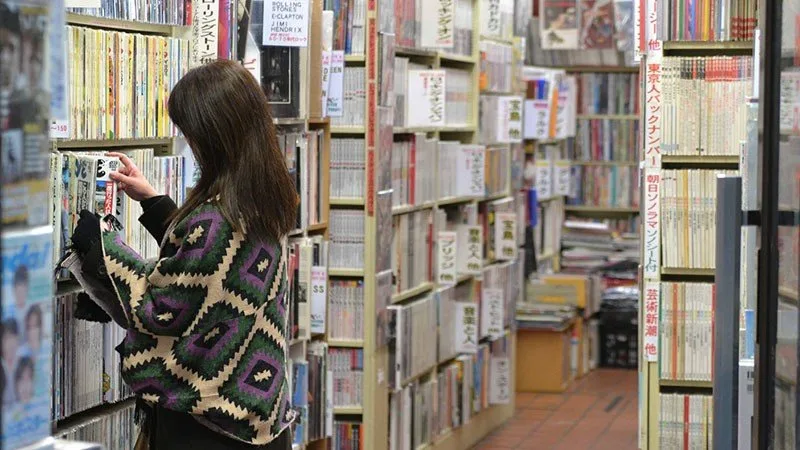
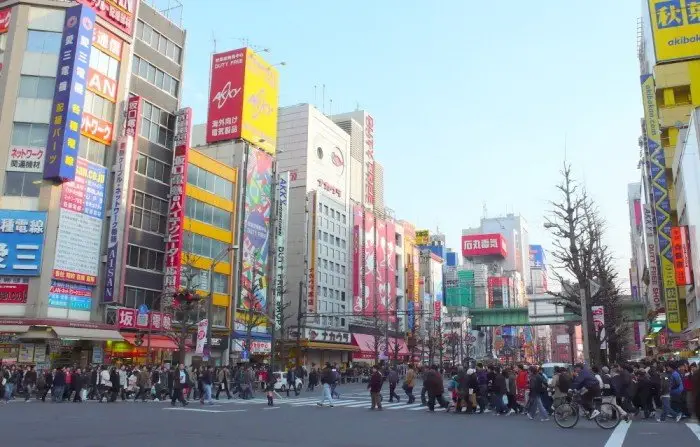
Have you ever wondered where or how to buy mangas and anime products in Japan? Many travelers assume that once they land, otaku goods will automatically be cheaper than at home—but walk the neon main streets of Akihabara and the price tags often tell another story.
People who shop on the ground are sometimes shocked by action figures, brand-new manga volumes, and limited merch. Still, don't lose hope: secondhand chains and a few stops off the pure tourist strip are usually much kinder. If you are not planning a trip soon but still want to import, our guides on Play-Asia and Amazon are worth a look.
Contents 3
Buying used manga: BookOff and friends
Used bookstores in Japan are wonderful. While in a certain place you pay an absurd 600 yen for a brand-new manga or light novel, in a secondhand shop you often pay less than 100 yen.
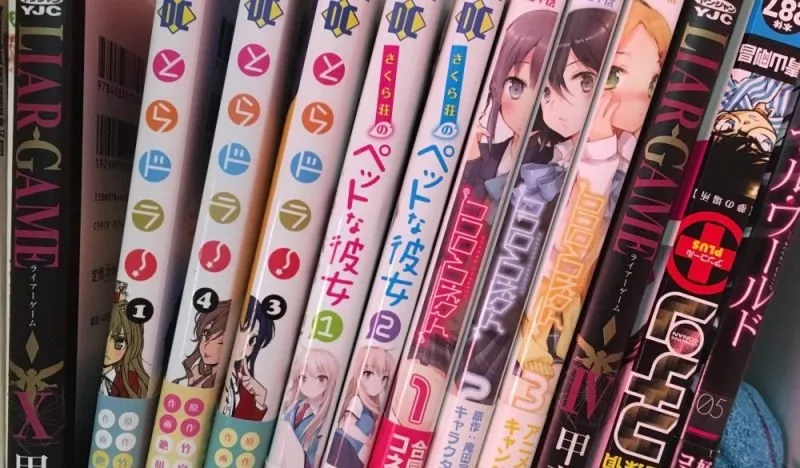
The Japanese are very careful with their books; some only read a volume once and then sell it to used bookstores, still with the inserts and papers that came inside. The mangas on those shelves often look nearly new.
Always look for stores like BookOff, but there are smaller shops that go even lower. I can't remember the name, but there was one store that sold 3 volumes for 100 yen. I felt like filling a suitcase with books and mangas.
Another famous chain for used otaku goods is Mandarake. Besides manga, you can find video games, action figures, toys, DVDs, CDs, card games, and even cosplay items. In Tokyo's Nakano Broadway, Mandarake runs several specialty shops under one roof—a strong address when you want to dig with a purpose.
Figures and anime products: where prices ease up
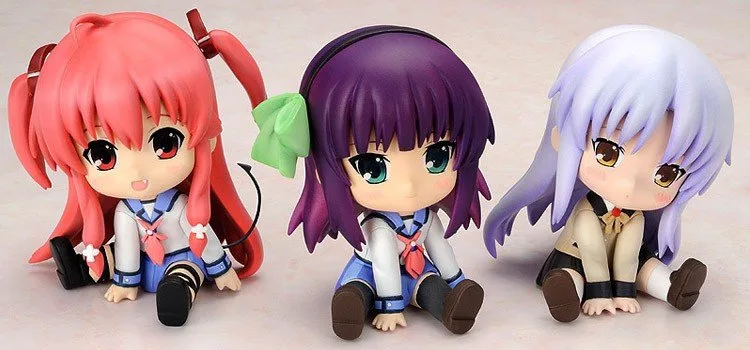
Something more expensive than mangas is action figures. In Akihabara stores, small quality figures could cost more than 3,000 yen—and that was not the ceiling for scale figures. If you only buy from the brightest windows on the main street, you often pay a tourist premium with them.
Again, I turned to used stores. One shop I liked is in Namba, Osaka: packages full of anime products and small figures for only 300 yen. In Tokyo, beyond Akihabara, Nakano Broadway is worth half a day of browsing; the selection is huge, and prices often feel fairer than right on the otaku strip.
Besides BookOff itself, the same family includes Mode Off, Off House, Hobby Off, and Garage Off—each store leans toward a different kind of goods. It also pays to compare with Hard Off (electronics and hobby gear) and Surugaya (manga, figures, games) when you want another price check. This is one of Japan's most popular secondhand landscapes, but not every branch is the cheapest on every day.
I can't list every used store in the country. Many are independent shops with no big franchise; there are also large houses and famous brands that sell pre-owned otaku goods. For more neighborhood context, see our Akihabara guide and the overview of Japanese action figures.
Practical tips before you buy
Stay away from the reflex of only shopping new flagship stores when you want to save money: new stock and limited releases often cost noticeably more. Research a little and dig around a few shops before filling the suitcase—even between large stores the gap can be striking. On one trip, comparing two shops for a new Apple product saved 5,000 yen.
Check condition, completeness, and—for pricier figures—original boxes and series marks. Yen prices shift by location and season; treat the numbers here as orientation from real shopping, not a fixed price list. And plan for weight and customs: a suitcase of manga feels light until you put it on the airport scale.
In short: secondhand is often the smartest way into manga, figures, and anime merch in Japan. With BookOff, Mandarake, the Off family, and a few districts beyond the pure tourist route, you already get very far.




Community
Comments
0 comments
There are no published comments in this language yet.
Send comment