

Do you know what Sensei means? Many people say that the Japanese word means master, mentor, instructor, or teacher, but is that really true? In this article, we will conduct an in-depth study of the word sensei, its essence, and its use in Japanese culture.
Does Sensei refer only to teachers? Are there other ways to call a teacher in Japanese? What does it mean to be a Sensei? In this article, we will answer these and other questions.
Table of Contents
Sensei – An Honorific Title
The word sensei [先生] is nothing more than an honorific title (sonkeigo) used as a suffix after names. Its use is also very common simply as a nickname, without the need to use it after the name as an honorific. In other words, we can simply call our teachers and mentors sensei.
This honorific is used with teachers, doctors, masters, and anyone at a higher level who is teaching you something. It should not be confused with the honorifics senpai and kouhai. However, sensei does not literally mean teacher or master; there are differences and ways of use that we will analyze in this article.

Sensei can also be used to refer to clergy, accountants, artists, musicians, novelists, or anyone with mastery in a certain area whom you respect as if they were your master or tutor. It is a very broad word that needs to be studied in depth in this article.
Sensei are people who have achieved some degree of mastery or success in a skill or field.
What does Sensei literally mean?
The word “sen-sei” [先生] derives from the ideograms “sen” [先] which means before and “sei” [生] which means birth and life. In other words, the word literally means one who was born before. This indicates that calling someone sensei is to recognize the person’s experience in a certain area.

Just like Senpai, a person cannot call themselves sensei; this title must be earned. That is why there are other Japanese words that mean teacher, master, and similar things. A sensei is not just a mentor, but someone who has uncommon wisdom, authority, and knowledge respected by many.
A sensei can be a teacher, doctor, lawyer, writer, politician, or a master who teaches martial arts. There is an equivalent in Chinese [先生] that literally meant teacher in ancient times. The pronunciation was also derived from Chinese (on yomi).
Perhaps someone wants to know if there is an equivalent to kouhai (freshman) for the word sen-sei. In Japanese, we can use the word seito [生徒] which means student, pupil, or learner, in any area, whether in school or martial arts. Just like kouhai, it is not usually used much as an honorific or designated title (nickname).
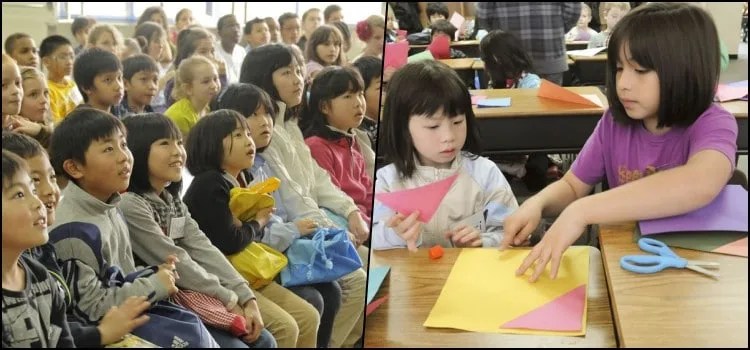
Sensei is an honorific and, therefore, does not apply to oneself.
What does it mean to be a sensei?
We know the meaning of the word Sensei, but we still do not fully understand its essence and the meaning of being a Sensei. A master cannot consider themselves a sensei, but many aspire to earn this title. Something easy for a teacher in a classroom, but difficult for a mentor teaching in other areas.
In martial arts, the meaning of being a sensei is often questioned, as many who seek to advance and have their own dojo end up facing this question. They realize that it is not just about being a teacher or tutor, but rather a community leader, someone who leads the class and helps keep the dojo active.

Especially someone in the martial arts field needs to take this as a lifestyle and not simply as a teaching job. This is one of the reasons most teachers are respected in Japan; being a sensei and teaching people is one of the most powerful professions in Japan.
There are some criteria to be respected and called by the honorific, such as:
- Instilling and developing trust;
- Being honest and transparent;
- Being ethical in all senses and dealings;
- Being a model for moral, ethical, and legal conduct;
- Being polite, courteous, calm, and not caring about provocations;
- Being grateful for all things;
- Must be loved by their students;
What is the difference between master and sensei?
Many people think that sensei is master in Japanese. But just as there is a difference between master and teacher, there is a difference between sensei and other Japanese words.
If you are just a mentor who teaches without caring for the students and maintaining a close relationship with them, you will hardly receive the title of sensei in the proper way. Unless you are just a teacher in a classroom where children are already accustomed to using this honorific.
Teachers in classrooms in Japan can also be called kyoushi. Below we will see some alternatives to the word sensei in Japanese.
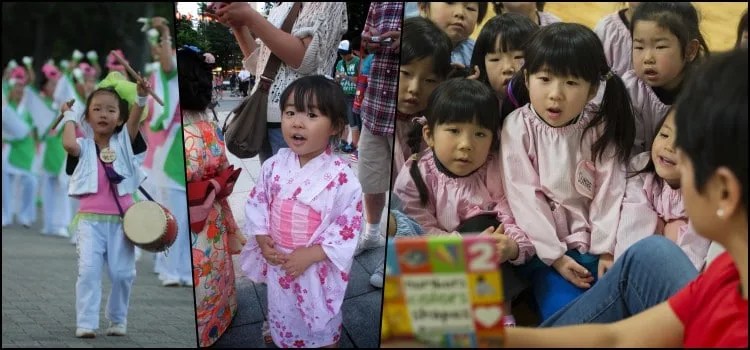
Cautions and alternatives to sensei
Some use the word shishou to call someone master or teacher; the difference is that shishou [師匠] refers to a skilled person, someone talented, qualified, or educated. It can be a coach or artist, as the ideograms literally mean that the person is an expert in some craft (kabuki, tea ceremony, carpenter, artisan).
Another quite common word is kyoushi [教師] which literally means a teacher in the classroom and refers to the profession, unlike an honorific title. Another broader alternative is kyoushu [教授] used as a noun for professor, instructor, and mentor that encompasses other areas outside the classroom.
Shihan [師範] also means teacher, instructor, and model. It is used as an honorific in martial arts when someone achieves, for example, the sixth dan in judo. Sometimes it can refer to a leader of an organization, as in Aikido. Or we can also use “shuseki shihan” which means chief mentor.

Although sensei is a respectful title, it is more commonly used in colloquial and mundane contexts, unlike other words that tend to be more formal and used in legal speeches. Below we will leave some words and alternatives that also mean master, teacher, etc.
| Master, specialist | 名人 | meijin |
| Master (from English) | マスター | masutaa |
| Professor, instructor, faculty | 教員 | kyouin |
| Grand Master | 大先生 | daisensei |
| Former teacher | 恩師 | onshi |
I hope these words have been enough to clarify your doubts regarding the word Sensei, which means master, mentor, and teacher. If you have any questions or suggestions, leave them in the comments. We thank you for reading and sharing. Until next time!? Live long and prosper!
Leave a Reply