
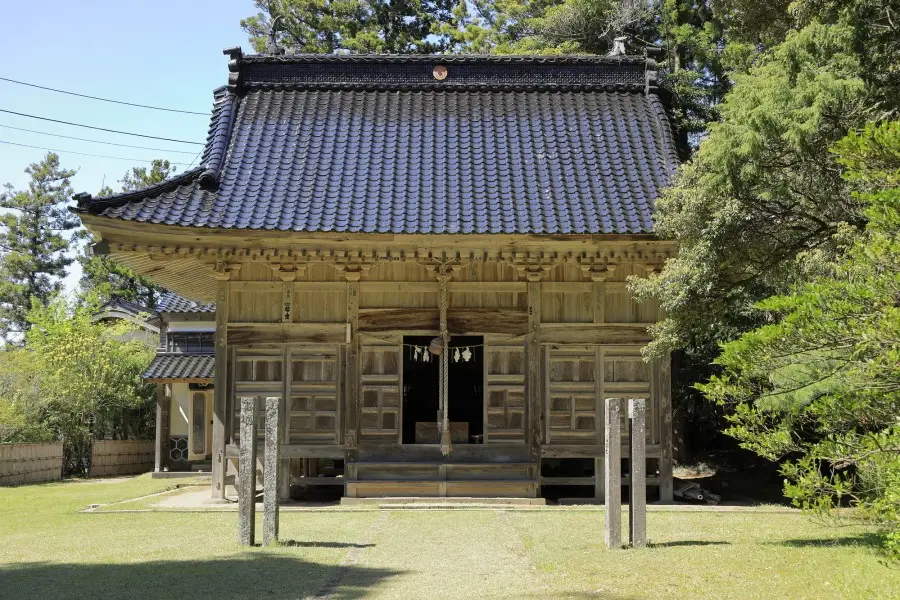
Sado (佐渡島) is an island in Japan located in Niigata Prefecture with more than 55,000 inhabitants. It is a region that clings to its roots, much like the historical cities of Japan.
Sado Island still receives immigrant residents, mainly Brazilians, Indonesians, Australians, and Filipinos. They usually work in local factories and religious entities.
The total area of the island is 854.97 km² and until April 1, 2004, there were more than 70,000 inhabitants; in the past, its population reached over 130,000 people and has one of the highest birth rates in Japan, but unfortunately, these data show a population decline.
Sado is also characterized by a steep coastline. The island attracts thousands of people every year due to its natural beauty.
Contents 3
An island for exiles
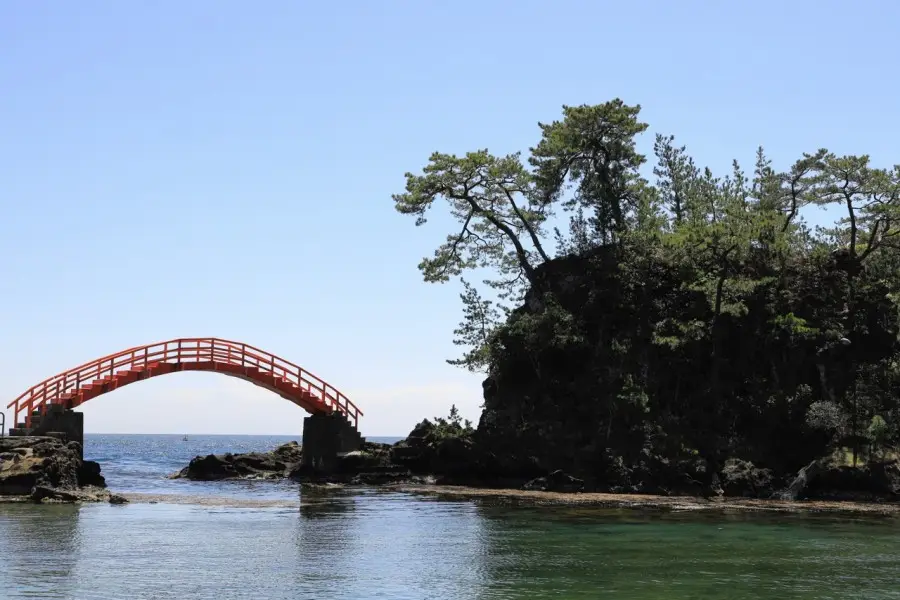
During the Edo period (1603 – 1867), Sado Island served as an exile for politicians and intellectuals who were against the government, and this lasted until the Middle Ages. Some of the exiled politicians were Emperor Juntoku in 1221, the priest Nichiren in 1271, and the playwright and actor Nō Zeami in 1433.
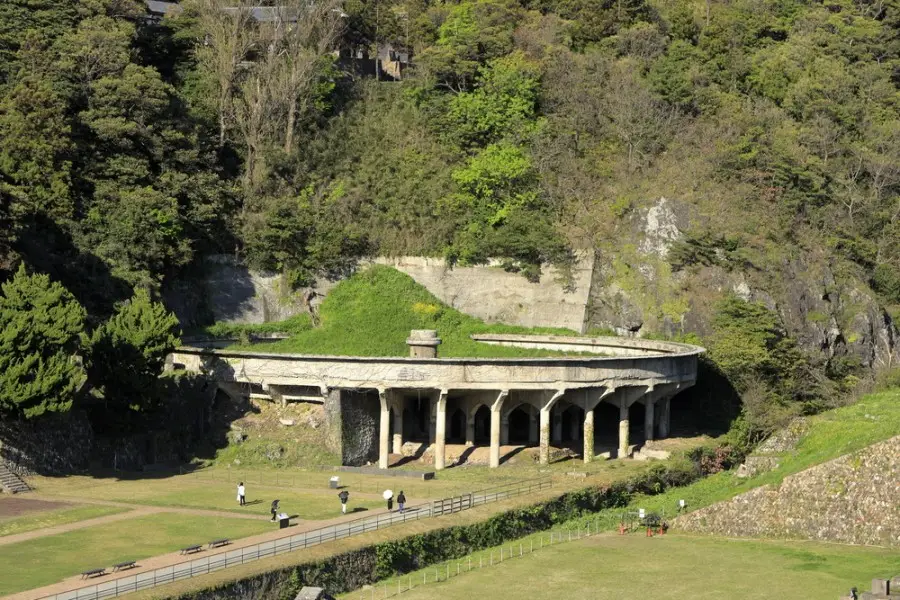
In the seventeenth century, gold was discovered in the region. During this period, the poorer people were forced to work as slaves in the mines. This period was not easy for these exploited people, and even today, there are marks on Sado Island from slavery. That is why the ballads, songs, and cultural dances have a more melancholic tone.
Getting to know Sado
Sado Island is located 35 kilometers (about a 2-hour trip) from the main archipelago. It is considered the sixth largest island in Japan. The only way to reach Sado is by ferry.
The most commonly used transport is still the car; public transport is scarce but well organized. The island is quite large, so the distances from one station to another can be significant.
There, it is common to see rice plantations, and there are many large farms. Sado Island is known for Kodo, which means "children of the drum" or "heartbeat," a performance that uses a variety of drums, as well as flutes, music, and dances! All of this is for the Earth Celebration.
During these festivities, the taiko drum is used, which is traditional in Japanese culture.
The Earth Celebration is an outdoor event with various presentations that showcase the cultural aspects of Sado. This event takes place in the third week of August, but due to the pandemic, it could not be held as usual, but it was possible to watch online.
Sado is the land of the Japanese ibis, also called toki; this bird belongs to the Threskiornithidae family and is endangered. This bird is generally white or grayish with a reddish face and an extremely thin black beak.
The feathers of this bird were used by the Japanese to produce the futon (布団), a type of mattress used in Japan.
Tourism tips for Sado
For those interested in more traditional and secluded places, Sado Island is a great option. To get to know the city well, it is ideal to rent a car or use a transportation service.
However, doing it this way can be a bit more expensive; traveling on a tour or in larger groups is more cost-effective. Another mode of transport used in the region is bicycles, and there are points that rent them to tourists.
One of the most visited places in Sado is Ogi. Ogi is one of the most developed regions because in the past it served as an important navigation route that passed through the area.
One attraction that draws a lot of attention is the "floating barrels." These are small boats shaped like barrels used to navigate narrower areas, commonly used to facilitate fishing.
The "floating barrels" (hangiri) represent the ancient taraibune made with giant wooden barrels used for producing soy sauce.
In addition to the Earth Celebration, which is the most traditional, there are also Nō performances. Nō is a type of ancient theater that has existed since the 14th century. The cast consists of only two characters, a chorus, and a small orchestra.
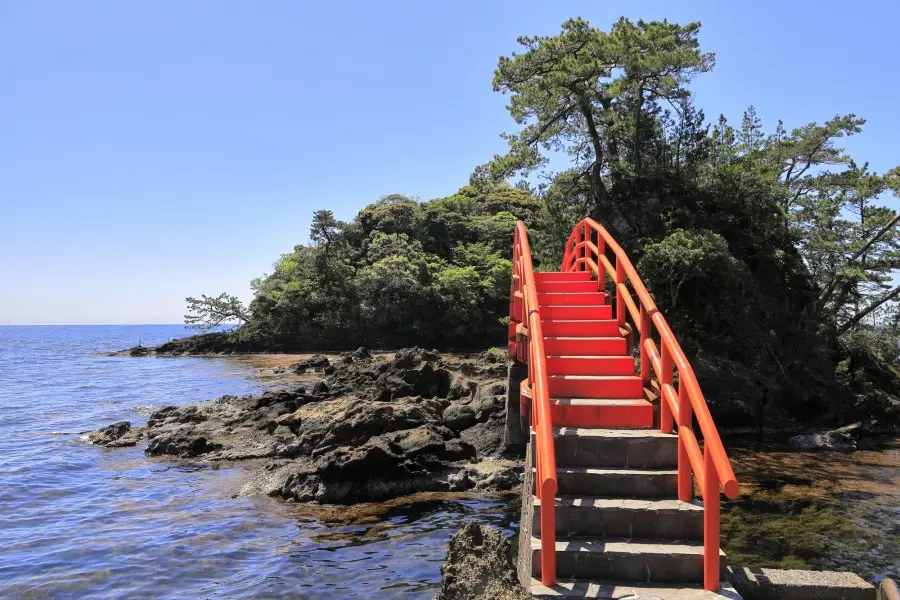
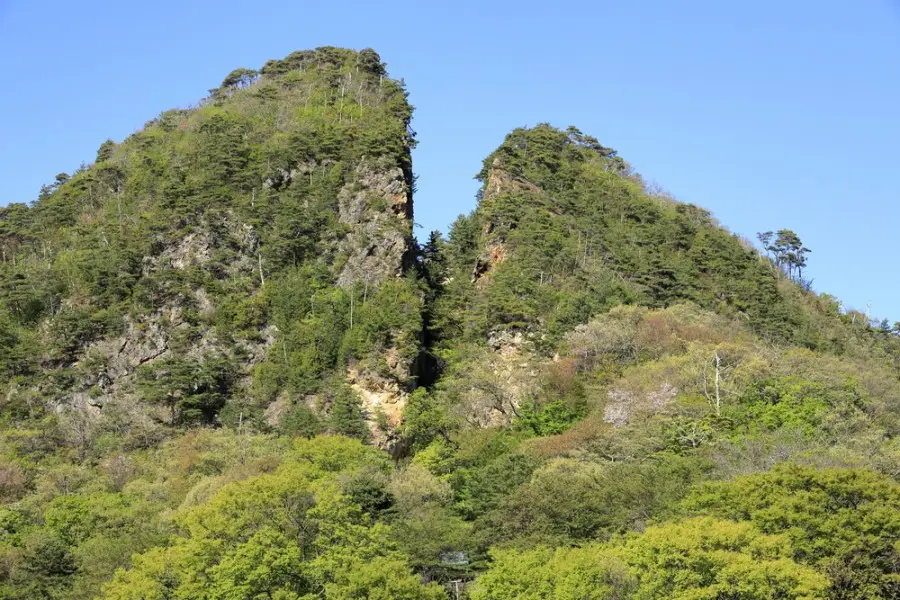
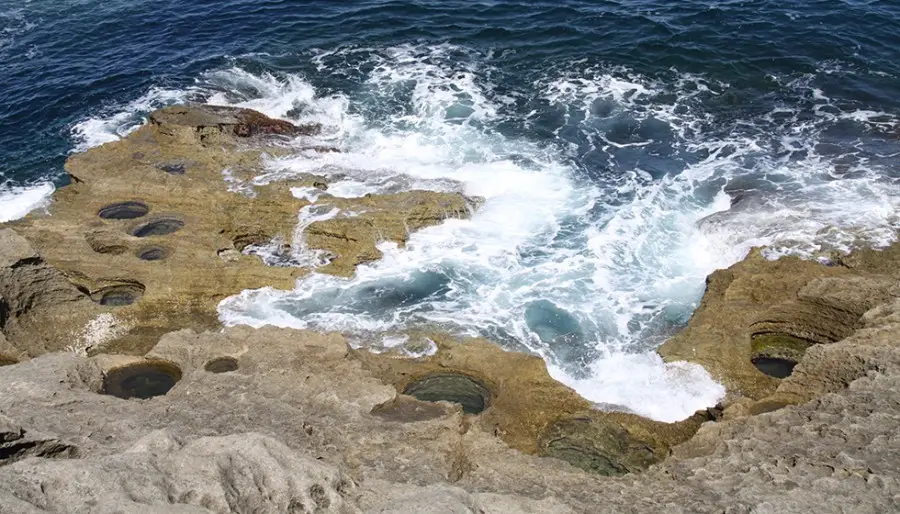
If you can't visit the entire island, it is ideal to plan well to decide which place you will enjoy the most. The most sought-after places on Sado Island are: Futatsu Game, Ono-Game, Sotokaifu Coast, and Hiranezaki.
Futatsu Game is the junction of two small islands within Sado. It has the shape of two giant turtles side by side.
Ono-Game has one of the three largest rocks in Japan and has many beautiful lilies. Sotokaifu Coast has rocks scattered throughout the island, highlighting the beauty of the place.
Hiranezaki is attractive because of the beauty of the waves.
Sado Island has a variety of waterfalls, trails, and great rocky beaches. Since Sado is also known for its rice, there is a Hokusetsu sake factory that could be on your visit list to taste the regional rice.
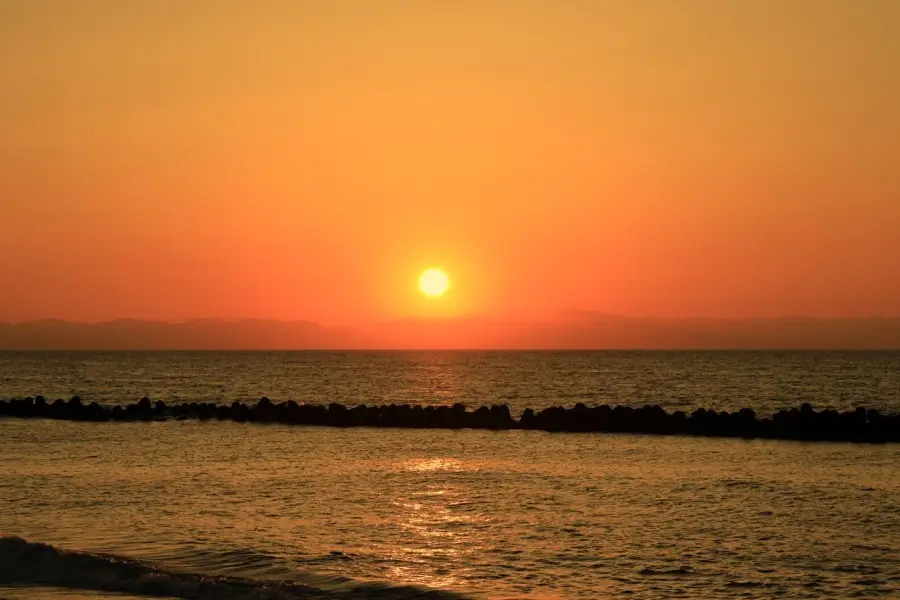
On Sado Island, making rice is almost an art. Besides the traditional preparation, the rice fields exude beauty. Rice is the easiest food to find on the island.
For sure, Sado Island and several other Japanese islands do not miss in terms of the beauty of the place, which is why there are many animes that feature islands as settings or main themes.
I confess that I feel like visiting a Japanese island now! And you, would you visit a historical island like Sado Island?





Community
Comments
0 comments
There are no published comments in this language yet.
Send comment