
What do Japanese people seem to love, defend, repeat, or talk about all the time? It is impossible to reduce an entire country to a checklist, but some habits and preferences show up so often in daily life, media, and conversation that they become cultural shorthand. This article looks at fifteen of those recurring themes without pretending that every person in Japan fits the same mold.
Some items on this list are genuine passions, such as karaoke, manga, and hot springs. Others are better understood as familiar stereotypes built from observable habits, like careful manners, a taste for compact things, and a visible dislike of waste. The useful way to read this list is not as a rigid rulebook, but as a portrait of interests and values that many visitors quickly notice in Japan.
Contents 16
Karaoke
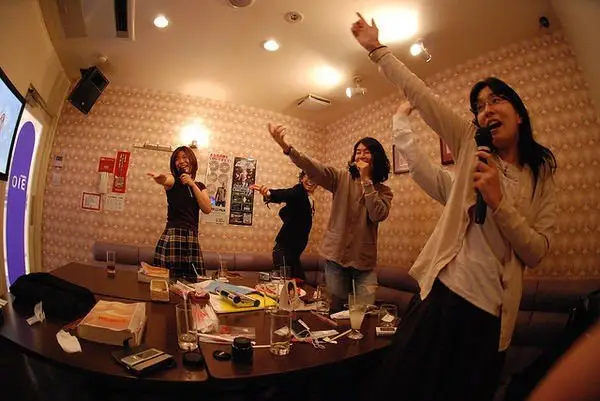
Karaoke is one of the easiest ways to understand social life in Japan. It is casual, low-pressure, and flexible enough to fit students, office workers, couples, and large groups of friends. Private karaoke boxes make the experience less intimidating, which helps explain why singing with a small circle became so normal in Japan before spreading abroad. If you want a deeper look at how this pastime became part of everyday entertainment, our guide to karaoke in Japan is a good starting point.
Pachinko (パチンコ)
Pachinko sits in a strange place between amusement, habit, and routine. To outsiders it can look loud, chaotic, and hard to read, but to regular players it works almost like a familiar after-work ritual. Rows of machines, bright lights, metal balls, and a constant mechanical soundtrack form a very specific atmosphere that has been part of urban Japan for decades. Not everyone likes pachinko, of course, yet it remains one of those activities people immediately associate with Japanese city life.
Traveling
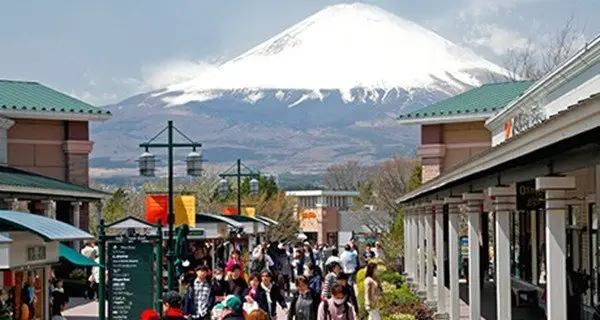
Japanese travelers are known for being curious, organized, and efficient with time. That shows up both inside the country and abroad. Domestic travel is deeply woven into the culture through seasonal trips, regional food specialties, hot spring towns, and short train getaways that make even a two-day trip feel worthwhile. It also helps that Japan rewards movement: wherever you go, there is usually a local dish, a scenic route, a festival, or a historic district waiting for you. That is one reason articles about popular tourist spots in Japan never stop attracting attention.

Masks and public consideration
Long before the pandemic, masks were already a common sight in Japan. People wear them during allergy season, when they have a cold, or simply to avoid passing something on to others. That small gesture says a lot about the value placed on public consideration. A mask in Japan is not always a sign of fear or emergency; often it is just a practical way to move through crowded spaces without bothering everyone around you.
The habit also reflects how Japanese etiquette often works in public: many people try not to draw unnecessary attention to themselves, and they prefer small preventive actions over dramatic gestures. That is why masks appear so naturally on trains, in stores, and on city streets.
Gossip and celebrity media
Japan has a reserved public image, but that does not mean people dislike gossip. Quite the opposite: celebrity news, variety shows, tabloids, and rumor-driven entertainment have a large audience. The difference is that gossip is often consumed through media ecosystems that feel highly organized, whether through weekly magazines, television panels, or entertainment portals following idols, actors, and comedians. Quiet manners in public do not cancel curiosity about other people's lives.
Compact things
Japan has a real affection for compact design. You see it in small cars, tiny bars, neatly portioned meals, miniature gadgets, capsule hotels, and homes planned around efficient use of space. Part of this comes from geography and urban density, but that explanation alone is not enough. There is also an aesthetic pleasure in objects that feel precise, clever, and easy to handle. Even everyday packaging tends to reflect that preference for order and control.
This is why conversations about Japan often drift toward convenience stores, lunch boxes, rail stations, and even small apartments. If that side of the country interests you, our article on whether Japanese houses are really small helps put the stereotype in context.
Fish and seafood
Fish has long held an important place in Japanese cooking, not only in sushi but across grilled dishes, broths, snacks, preserved foods, and seasonal specialties. Seafood is not treated as a niche ingredient. It appears in ordinary meals, regional recipes, and comfort foods that people grow up with from childhood. That familiarity explains why many visitors leave Japan with the feeling that fish is not just an ingredient there, but part of the national palate itself.
The interesting point is variety. In Japan, fish can be delicate, smoky, fermented, dried, battered, raw, or folded into everyday dishes without any ceremonial feel. Even a broad article about different types of sushi and maki only scratches the surface of that relationship.
Aesthetics and appearance
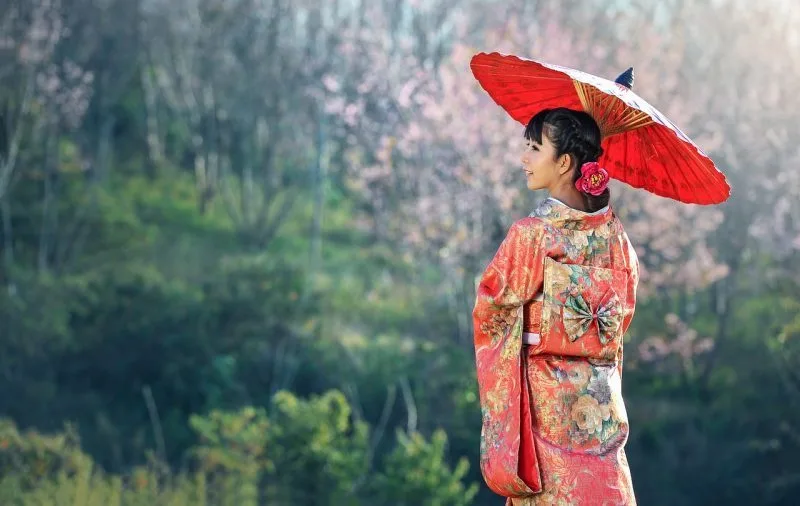
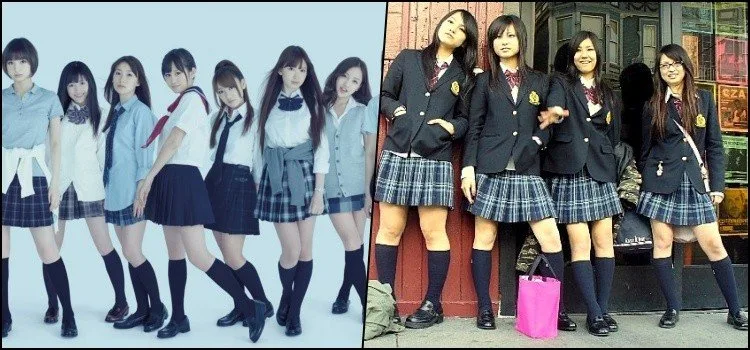
Few stereotypes about Japan are as persistent as the idea that presentation matters, and in this case the stereotype has a strong foundation. You can see that attention to form in gardens, wrapping, table setting, calligraphy, storefront displays, trains, uniforms, seasonal desserts, and gift culture. Beauty in Japan often feels less like extravagance and more like care: the effort to arrange things so they look thoughtful, balanced, and intentional.
That instinct appears in traditional arts such as ikebana, bonsai, and the structure of a Japanese garden. It also appears in much simpler places, from convenience-store desserts to how a shopkeeper packs a small purchase.
Politeness and ritual phrases
Many people who visit Japan come away talking about the same thing: how often they hear greetings, thanks, apologies, and small ritual phrases. Words like arigatou, sumimasen, and irasshaimase are not empty decoration. They help smooth daily interaction, mark respect, and reduce friction in crowded spaces. This is one reason politeness stands out so clearly to foreigners even on a short trip.
That does not mean every exchange is deeply emotional. In many situations, courtesy in Japan is almost architectural: it supports the structure of social life. If you want to explore the language side of this habit, we have a guide to different ways to say thank you in Japanese.
Mottainai and the dislike of waste
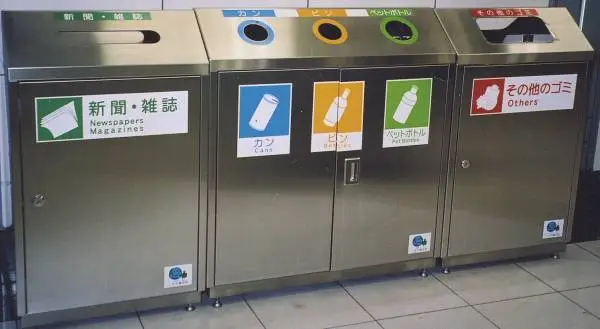
Mottainai is one of those Japanese words that reveals a whole attitude in a single expression. It conveys regret over wasting something that still has value, whether that means food, objects, materials, or effort. You can feel that mindset in recycling rules, in the careful use of ingredients, and in the respect shown to things that might look ordinary elsewhere. The idea is not just economic thrift; it also carries a moral tone, as if throwing something away too easily shows poor judgment.
This does not make Japan a country without excess, but the language around waste is unusually strong. The tension between heavy packaging and a cultural dislike of waste is real, which makes the topic even more interesting. For a practical angle, our article on waste separation and recycling in Japan shows how that concern plays out in everyday routines.
Drinking and smoking culture
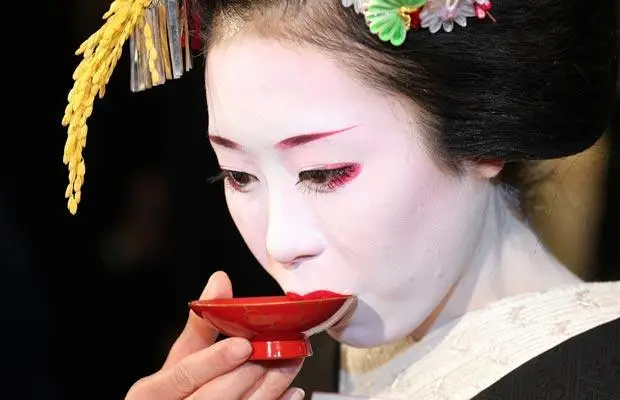
Japan often mixes discipline with release, and few topics show that contrast as clearly as after-work drinking. Office culture, group dinners, and casual nights out have long made alcohol part of social bonding for many adults. A quiet employee in the office may become far more expressive over food and drinks, which is one reason bars, izakaya, and late-night districts remain such visible parts of city life.
Smoking has also had a long public presence in Japan, though social norms and regulations have changed a lot in recent years. Older stereotypes about packed smoking areas and cigarette-friendly nightlife still come from a real history, even if the picture is slowly shifting. If you are curious about that side of daily life, our piece on smoking in Japan adds more context.
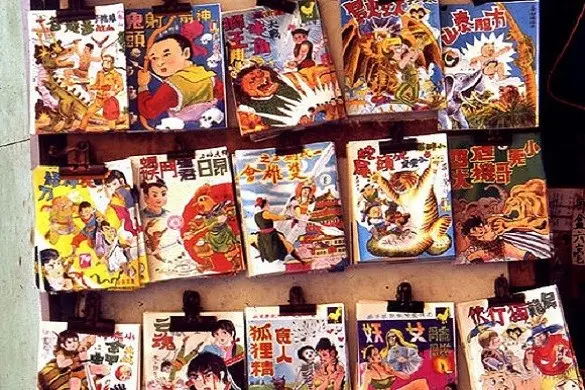
Manga
Manga is not a niche hobby in Japan. It is a mass medium that reaches children, students, workers, and older readers through genres that cover almost any subject imaginable. Sports, history, romance, cooking, crime, fantasy, business, school life, and memoir all fit inside the manga world. That range helps explain why people in Japan do not treat reading manga as something age-restricted or socially embarrassing.
Another reason manga feels so central is accessibility. It is sold in convenience stores, bookshops, train-station kiosks, specialty chains, and secondhand stores, which keeps it visible in everyday life instead of separating it into a small fan corner. That constant availability helped manga become one of the most recognizable exports of Japanese popular culture.
Teamwork and group harmony
One of the most repeated ideas about Japan is that the group often comes before the individual. Like any broad statement, it can be exaggerated, but it points to a real social tendency. In schools, companies, clubs, and neighborhood routines, people are often encouraged to read the atmosphere, cooperate, and avoid unnecessary disruption. That can make Japanese social life feel smooth and efficient, but it can also put pressure on people who want to stand out too sharply.
This is why proverbs about fitting in remain so memorable in discussions of Japanese culture. Even when people disagree privately, there is often a preference for keeping the surface of the group stable.
Work
The image of Japan as a country obsessed with work did not appear out of nowhere. Discipline, punctuality, and responsibility are widely admired, and many people still feel a strong obligation to their workplace. That does not mean everyone loves overtime or that all Japanese workers share the same attitude, but work continues to carry social weight beyond salary alone. It can be tied to identity, reliability, and how seriously a person is perceived by others.
At the same time, modern Japan constantly debates the cost of that dedication. Discussions about burnout, balance, and labor reform have become part of the national conversation, which shows that even admired habits can have a hard edge. Our article on part-time work in Japan helps illustrate how deeply work language is woven into daily life.
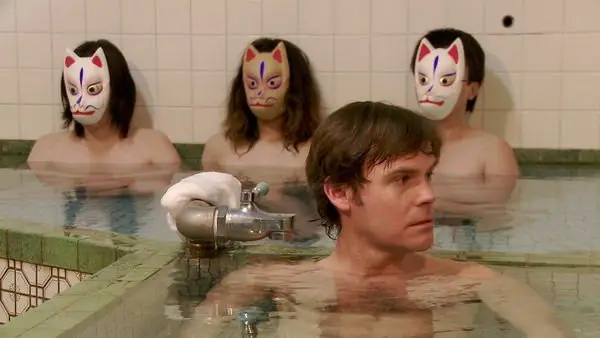
Onsen
Hot springs are more than a tourist attraction in Japan. For many people, onsen represent rest, seasonal travel, local pride, and a physical way to slow down. Bathing in mineral-rich water, taking time over the routine, and spending a night in an inn near the springs form a whole atmosphere that people return to again and again. It is one of the clearest examples of a Japanese passion that combines nature, habit, and pleasure without needing much explanation.
Onsen also show how comfort in Japan is often tied to ritual. The washing, soaking, quiet conversation, and repeated visits matter as much as the water itself. If you want to understand why so many people stay devoted to that tradition, our guide to Japanese hot springs is worth reading after this one.
Why these stereotypes keep circulating
These fifteen points survive because each one contains a recognizable fragment of truth. Visitors notice masks, politeness, compact spaces, manga shelves, karaoke boxes, train trips, and the importance of presentation almost immediately. The mistake is thinking those details tell the whole story. Japan is full of contradictions: private individuality under public conformity, careful manners alongside intense gossip media, dislike of waste beside layers of packaging, and work pride mixed with fatigue.
That tension is exactly what makes the country so interesting. The passions on this list are not a final definition of Japanese people, but they do help explain why certain images of Japan appear again and again in conversation, media, and memory.



Community
Comments
0 comments
There are no published comments in this language yet.
Send comment