
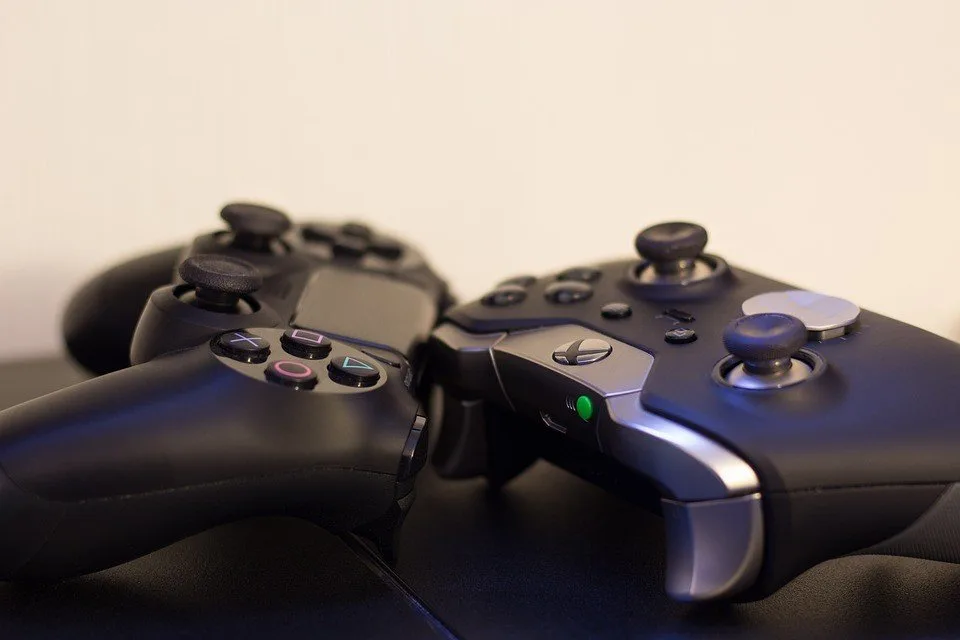
2019 was a crowded year for Japanese games: remakes of old series, a new Soulslike from FromSoftware and a kart racer built around the fastest hedgehog in the business. This retrospective sorts the main titles and corrects the dates that many lists still get wrong.
One rule first. A game counts here as Japanese when a Japanese studio developed it or a Japanese publisher backed it. The two do not always coincide, and that gap explains most of the mistakes in roundups like this one.
Contents 6
Yakuza Kiwami: the first game, not the zero one
Kiwami is the remake of the first Yakuza from 2005, not of Yakuza 0. Kazuma Kiryu comes back after ten years in prison for a crime he did not commit and finds the family he served changed beyond recognition.
The PC version arrived on 19 February 2019. It runs in 4K, cuts the loading between scenes and adds scenes that make the story easier to follow. The city is Kamurochō, modelled on Kabukichō in Tokyo. At launch the text was English only, with Japanese voice acting included.

Sekiro: Shadows Die Twice
FromSoftware released it on 22 March 2019, with Activision as publisher. The story is set in the late sixteenth century in the fictional province of Ashina, as the Sengoku era comes to an end.
You play a warrior with a prosthetic arm who has to protect a young lord. Parrying carries the combat, and anyone who learns it can get through as a newcomer. Following dialogue and hints matters, because much of the story is never stated outright.

Nioh 2: a 2020 release
Many 2019 lists file Nioh 2 as a game of that year. It is not. The game arrived on 13 March 2020 for PlayStation 4, and the PC version followed later.
In 2019 there were only trailers and hints. A character creator with colour and gender options was announced, and deaths were meant to feel harsher than in the first game. Anyone reading the old list should keep that delay in mind.

Team Sonic Racing: rings and familiar faces
The kart racer came out in 2019 and belongs to the games Sega backed that year. It centres on well-known characters and a race that does not take many detours.
The golden rings work as currency for speed and points. Losing them drops you down the field, which gives the races a different rhythm from pure drift games.

What the four titles say about the year
Three patterns stand out. First, remakes: old series were cleaned up for new platforms instead of new entries being built. Second, sequels announced without a date, like Nioh 2, which carried expectations for a whole year. Third, the split between development and publishing, which changes how a game's country of origin should be described.
Platform comes next. Some titles launched on console first and reached PC months later, others shipped everywhere at once. Both routes exist today, and a delay says more about contracts than about quality.

How to read lists like this one
Check the release year, not the year of the announcement. Check whether the studio or the publisher is Japanese. And check the platform, since a PC version can arrive years after the console release.
For the wider picture, the overview of the video game industry in Japan is a good start. There is also a list of the best Japanese mobile games, and for older tabletop habits the piece on sugoroku and Japanese board games.





Community
Comments
0 comments
There are no published comments in this language yet.
Send comment