
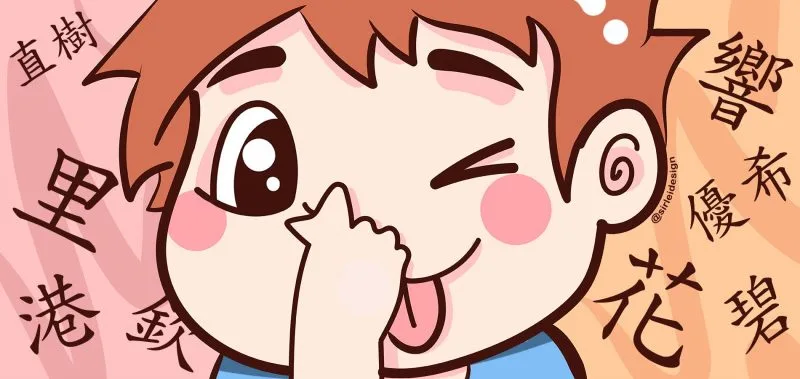
The spoken name is only half of a Japanese given name. Akira written as 明 is not the same wish as 亮: same voice, different character, different shade of bright.
The meaning here is quite shallow, and sometimes it barely holds, because you need the ideogram itself — and the essence of that character — to get near the real name. I do not guarantee a 100% correct translation, only a literal one.
Before you settle on a name for a child, do proper research on these ideograms with a dictionary. That is how you make sure the writing is actually used as a given name, not only as a surname.
We already have a huge list of female names that you can read by clicking here.
To make the search easier, you can press (CTRL + F) and type the name you are looking for. I hope you enjoy this list of Japanese names for men! xD Make a good choice!
Contents 3
How a Japanese male name is actually written
Most given names for boys are one or two kanji. The sound — the reading — is what friends call you. The writing is the hope the parents put on paper: sun, tree, courage, honesty, first son. That is why two men named Hiroshi can carry completely different characters, 寛 (generous, tolerant) or 浩 (vast, prosperous), and why a list of “meanings” can never be more than a map.
Older male names often mark birth order. Taro (太郎) and Ichiro (一郎) both sit near “first son”; Shiro (四郎) is the fourth. Endings such as -o, -shi and -ro still read as masculine to Japanese ears, even when the first kanji is something gentle like snow or spring.
One more trap: some of these readings also appear as surnames. If you are naming a child, a character or even a pet, check the kanji in a dictionary such as Jisho and confirm it is actually used as a given name.
Japanese male names with kanji and meanings
- Aki (秋 / 明 / 晶) — autumn / bright / crystal;
- Akio (昭雄 / 昭夫) — bright hero / bright man;
- Akira (明 / 亮) — bright / clear;
- Aoi (碧 / 葵) — blue-green / hollyhock;
- Arata (新) — new, fresh;
- Atsushi (敦 / 淳) — kind, honest / pure;
- Daichi (大地 / 大智) — great earth / great wisdom;
- Daisuke (大輔) — great helper;
- Eiji (永次 / 英治) — eternal next / excellent rule;
- Hajime (肇 / 元) — beginning, start;
- Haru (晴 / 春 / 陽) — clear / spring / sun;
- Hideki (秀樹) — outstanding tree;
- Hiro (裕 / 寛 / 浩) — abundant / generous / prosperous;
- Hiroshi (寛 / 浩) — generous, tolerant / prosperous;
- Hiroki (弘樹) — vast tree;
- Hisoka (密) — reserved, secret;
- Ichiro (一郎) — first son;
- Isamu (勇) — courage;
- Jun (順) — obedient, in order;
- Kazuki (和希) — harmonious hope;
- Kei (恵 / 佳 / 圭) — blessed / excellent / jewel;
- Ken (健 / 謙) — healthy, strong / modest;
- Makoto (誠) — sincere, true;
- Masao (正男) — upright man;
- Minoru (実) — to bear fruit, to ripen;
- Michi (道) — way, path;
- Masumi (真澄) — true clarity;
- Nao (直 / 尚) — honest, straight / esteemed;
- Naoki (直樹) — honest tree;
- Nobu (信 / 延) — faith / extend, prolong;
- Ryo (亮 / 遼 / 諒) — brightness / distant / sincerity;
- Satoru (悟 / 聡) — enlightened / clear-minded;
- Satoshi (聡) — clear, intelligent thought;
- Shiro (四郎) — fourth son;
- Sora (空) — sky;
- Tadao (忠夫) — loyal man;
- Takashi (隆) — elevated, prosperous;
- Takeo (剛雄 / 武雄) — strong male / warrior male;
- Takeshi (武) — warrior;
- Takumi (巧 / 匠 / 工) — skilled / craftsman / work;
- Taro (太郎) — eldest son;
- Tatsuo (竜夫 / 龍雄) — dragon man / dragon hero;
- Tomio (富夫 / 富雄) — wealthy man;
- Yasuo (康夫) — healthy, peaceful man;
- Yoshi (義 / 吉 / 良) — righteousness / good fortune / good;
- Yoshiro (義郎 / 良郎) — righteous young man / good young man;
- Yuki (幸 / 雪) — happiness, good fortune / snow;
- Yukio (幸雄 / 行雄) — fortunate hero / traveling hero;
Classic names versus what parents pick now
The list above is the Japan many foreigners still hear in films and classrooms: Hiroshi, Takeshi, Akira, Ken. On actual birth papers the fashion has moved. In the 2025 Meiji Yasuda survey of baby names, the top boys’ writing was 湊 (Minato, “harbor”), with 伊織 (Iori), 結翔 (Yuito / Yuto), 蓮 (Ren, lotus) and 碧 (Ao, blue-green) close behind. By sound, Haruto has stayed the most common boys’ reading for years, even when the winning kanji changes.
If you want a name that still sounds Japanese today without throwing away the older list, a few current writings worth knowing:
- Minato (湊) — harbor; a gathering place;
- Haruto (陽翔) — sun + to soar;
- Ren (蓮) — lotus;
- Ao (碧) — deep blue / blue-green;
- Asahi (朝陽 / 旭) — morning sun;
These are not a podium to copy. They show the gap: nature, light and one-kanji names are fashionable; the classic -o and -shi names on this page are still real, just less common on new birth papers.
If you need to write a non-Japanese name in Japanese at all, start from the sound, not from a random “cool” kanji: see how to write your own name in Japanese.
I hope you enjoyed this list of Japanese male names... If you liked it, share and leave your comments. Do you have questions and suggestions for male names to add to the list?




Community
Comments
0 comments
There are no published comments in this language yet.
Send comment