
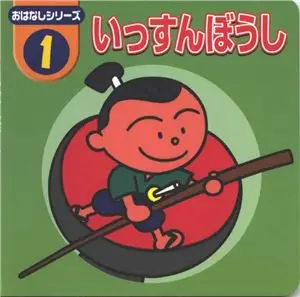
If you want Japanese children's books to practice reading, start with legal resources made for learners. The best beginner-friendly picks are usually graded readers, hiragana mini books, and picture books with clear repetition, not random folklore files with dense kanji and no reading support.
That difference matters. Native children's books can be charming, but many are harder than they look because they assume vocabulary, rhythm, and cultural knowledge that beginners still do not have. If you are still building your kana, combine this article with our guide to hiragana and the full kana reference before jumping into longer stories.
Contents 4
Best places to read free Japanese children's books legally
The easiest starting point is Tadoku. Their library lets you read online, download PDFs, print readers, and sometimes use audio or YouTube support. For absolute beginners, Level Start and Level 0 are usually the smartest place to begin.
Another excellent option is the Japan Foundation Sydney hiragana mini books. They were created to teach hiragana in context through short illustrated stories, which makes them much less intimidating than a full native book.
If you want more variety, the Tofugu guide to Japanese picture books is a practical shortcut. It points learners toward places like Ehon Hiroba and preview-based services, which are useful when you want to sample books before paying for a physical copy.
Are children's books really good for learning Japanese?
Yes, but only when the level matches your reading ability. Good beginner books repeat sentence patterns, rely on clear illustrations, and let you guess meaning from context. A hard native picture book can still be fun, but if every line sends you to a dictionary, it stops being reading practice and turns into decoding.
This is why many learners progress faster with graded readers first and native books second. If you like stories and visual material, you can also mix books with our guide on learning Japanese with manga and anime or browse more tools in this list of sites for Japanese learners.
How to choose your first Japanese book
- Start with hiragana-only books or titles with generous furigana.
- Choose short stories that you can finish in one sitting.
- Prefer repeated sentence patterns over literary prose.
- Use audio when it is available so reading and listening reinforce each other.
- Move to folk tales and native picture books only after easy readers stop feeling heavy.
If your goal is to buy physical books, Kinokuniya and Amazon Japan usually offer a much better selection than general bookstores outside Japan. Still, free legal readers are the best place to test your level before spending money.
A simple path that works
Start with Tadoku Level Start or Level 0. Then use the Japan Foundation mini books to strengthen kana recognition in context. When short learner texts feel easy, move to picture books, beginner manga, and more open-ended reading practice. It is a slower start than chasing random downloads, but it builds reading confidence much faster.


Community
Comments
0 comments
There are no published comments in this language yet.
Send comment