

You can learn Japanese faster, but there is no honest shortcut to fluency. Progress comes from choosing the right material, meeting Japanese every day, and reviewing what you can almost understand. A focused routine usually works better than collecting courses, apps, and textbooks without a plan.
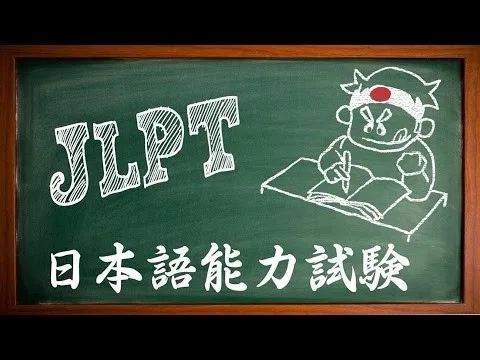
The best approach depends on your goal. Someone preparing for the JLPT needs structured reading and listening practice. Someone who wants conversation needs regular speaking and listening. Someone who wants to read manga or novels should give reading a central place. Start with one destination, then build your study around it.
Contents 12
What Makes Japanese Difficult to Learn?
Japanese uses three writing systems in ordinary modern text: hiragana, katakana, and kanji. Grammar also places information in a different order from English, and particles show how words function in a sentence. These differences take time, but they become manageable when you study them in context instead of memorizing disconnected lists.
Do not measure progress only by how many kanji you have copied. A learner can recognize a character on a flashcard and still fail to understand it in a sentence. Reading, listening, and producing short sentences show whether knowledge is becoming usable.

How to Start Studying Japanese
1. Learn hiragana and katakana first
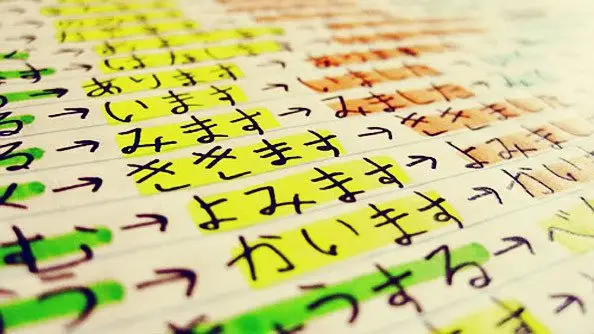
Learn to read hiragana and katakana before depending on romaji. Romaji can help you begin, but staying with it hides pronunciation patterns and makes later reading harder. Practice the kana until you can recognize them without translating each symbol in your head.
2. Build a small grammar foundation
Study basic sentence patterns, particles, verb forms, adjectives, and question structures. You do not need to master every exception before reading. Learn one pattern, find several real examples, and write a few sentences of your own. This connects grammar to meaning.
3. Learn vocabulary in sentences
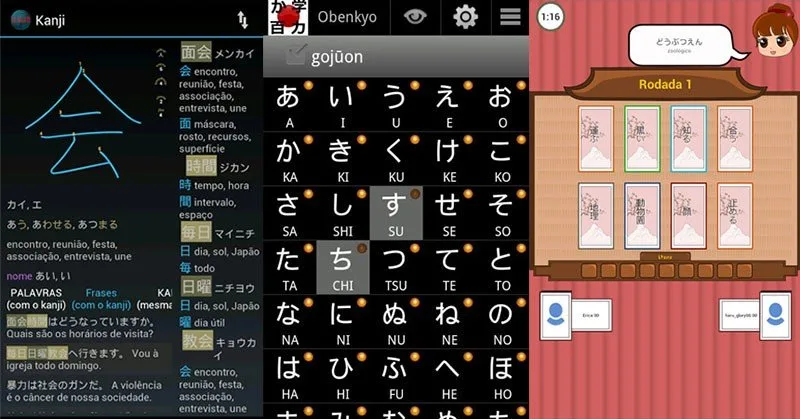
Single-word lists are easy to forget because they do not show how a word behaves. Save useful words with a sentence, audio when available, and the kanji spelling. A spaced-repetition tool such as Anki can schedule reviews, but it cannot choose good material for you. Keep your cards short and remove cards that only create frustration.
Use Japanese You Can Mostly Understand
Choose graded readers, simple dialogues, learner materials, manga with furigana, or short videos with Japanese subtitles. If every line contains unknown words, the material is too difficult for relaxed practice. Look up words that block the meaning, but do not stop for every unfamiliar expression.
The Irodori course from the Japan Foundation is one useful source for practical Japanese and everyday situations. For exam preparation, check the official JLPT information and use its levels as a planning reference rather than treating a certificate as the only definition of fluency.
Reading and listening support each other. Read a short passage, listen to it if audio exists, then read again. Notice which sounds you missed and which grammar points carried the meaning. Repeating a short piece with attention is often more productive than passively watching hours of content.

A Daily Japanese Study Routine
A beginner can start with 30 to 45 focused minutes. Adjust the time to your life; consistency matters more than an ambitious schedule that lasts one week.
- 10 minutes: review kana, vocabulary, or grammar with spaced repetition;
- 15 minutes: read a short text and mark only the words that matter;
- 10 minutes: listen to the same topic and repeat selected sentences aloud;
- 5 to 10 minutes: write a few sentences or speak about your day.
On a busy day, keep a minimum version: review five cards, read one paragraph, and listen to one short recording. A small habit protects continuity. On a longer study day, add a lesson, conversation practice, or a second reading.
How to Improve Japanese Conversation
Speaking should not wait until you feel ready. Start with introductions, requests, descriptions, and short answers. Record yourself, compare your pronunciation with reliable audio, and repeat the same phrases until they feel natural. A teacher, exchange partner, or study group can point out mistakes that silent study will not reveal.
Conversation practice works best when it has a topic. Prepare five words and two grammar patterns, talk for a few minutes, then note what you could not say. The next session can target those gaps. This turns speaking into a source of study material instead of a test you must pass.
Should You Study Kanji by Writing?
Handwriting can help you notice radicals, stroke order, and visual differences, especially if you need to write by hand. It is not the only route to reading. If reading is your priority, learn kanji through common words and sentences, then add handwriting practice when it serves your goal.
Do not postpone all reading until you know a large number of characters. Start with simple material and let repeated exposure strengthen recognition. Furigana is useful as support, but try to read the word first before checking it.

Common Mistakes That Slow Progress
- changing resources every few days instead of finishing a small course;
- memorizing isolated vocabulary without examples;
- watching Japanese content passively and calling it study;
- waiting for perfect grammar before speaking;
- using romaji long after learning kana;
- studying for several hours once a week and doing nothing on other days;
- treating speed as the goal instead of understanding more each month.
Use one main course or textbook, one review system, and one source of understandable Japanese. Add resources only when they solve a clear problem. If you need a broader sequence, see our Japanese study guide and keep a simple record of what you read, heard, and practiced.
How Long Does It Take to Learn Japanese?
There is no fixed number of months or years. Your starting point, daily time, previous language experience, target skill, and quality of practice all change the answer. Set measurable goals instead: read a graded page without translating every line, understand the main point of a short video, hold a five-minute conversation, or pass a chosen JLPT level.
Review your routine every four weeks. Keep activities that produce evidence of progress, replace material that is far above your level, and increase difficulty gradually. Faster learning is usually less about rushing and more about removing wasted effort.
Japanese Study Checklist
- Learn hiragana and katakana;
- Study basic grammar in example sentences;
- Learn vocabulary with context;
- Read and listen to Japanese every day;
- Use spaced repetition for material worth remembering;
- Speak or write a little before you feel ready;
- Choose content you can mostly understand;
- Track a specific goal instead of chasing vague fluency;
- Review your routine monthly;
- Keep studying consistently.
The fastest sustainable path is simple: learn the basics, use Japanese daily, review intelligently, and adjust the material to your goal. Keep the routine small enough to repeat and rich enough to make Japanese part of your life.



Community
Comments
0 comments
There are no published comments in this language yet.
Send comment