

Anyone shopping for Japanese textbooks hits the same shelf problem: every cover promises a faster path to fluency, yet Genki, Minna no Nihongo, and gentler self-study series solve different bottlenecks. The “one best book” myth collapses once you notice that self-study, classroom immersion, travel phrases, and serious kanji each demand a different tool.
Plenty of people buy a thick university textbook when they only needed travel phrases—or jump into a Japanese-only main book without a translation volume they can actually use. This guide sorts the main books for learning Japanese by goal, level, and study setup, so you pick a stack that fits your week instead of filling a shelf you never open.
Contents 5
Which book fits your goal?
Before you order, pin down the priority. Do you want structured grammar and vocabulary toward daily life and the JLPT? Then you need a course with clear lessons, audio, and drills. Planning a trip more than a multi-year study path? A compact phrase guide can help at the airport, but it will not replace a systematic textbook if you later want to read and write with confidence.
Dictionaries and flashcards make excellent companions—and a weak sole foundation. Grammar references sharpen rules without giving you listening or speaking practice. If kanji is the real wall, you need a dedicated kanji system, not only the characters that appear as side notes in a beginner course.
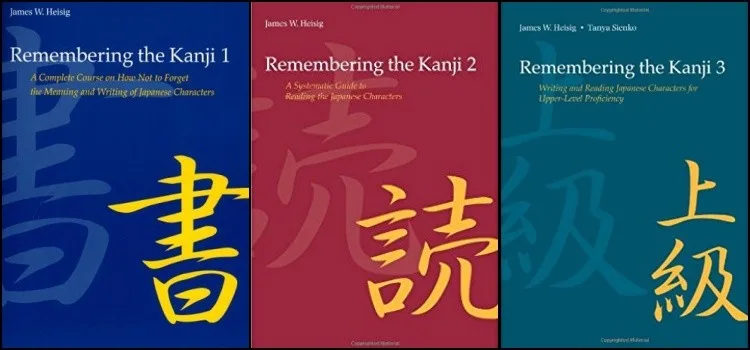
A practical filter: self-study with solid English → often Genki; class or strong immersion preference → often Minna no Nihongo; gentler bilingual pacing → series like Japanese From Zero; kanji volume with stories → Heisig’s Remembering the Kanji and similar mnemonic approaches. Manga and easy readers help once kana and basic patterns stick—they rarely replace a real textbook completely.
Genki and Minna no Nihongo: the two classics
Genki (The Japan Times) is the friendliest all-in-one start for many independent learners. Grammar notes live in English inside the textbook, dialogues lean toward campus and everyday student life, and you usually need the textbook plus workbook—not a whole wall of companion volumes. Across Genki I and II you roughly cover beginner ground toward N5 and into N4 territory. If school English is comfortable for you, the explanations tend to click; if you refuse English notes entirely, plan for that up front.
Minna no Nihongo (3A Corporation) takes the immersion route: the main book is in Japanese. Grammar and translations come in separate notes volumes in English (and other languages). Schools and language courses love the series, and the situations feel more adult and formal than Genki’s campus tone. Pure self-study without a teacher costs more in money and discipline, because you flip between books and need the matching edition of every supplement.
Neither series ends with “fluent Japanese.” They build foundations: early kana, gradual kanji, audio, and practice. Which one is “better” depends less on internet myth and more on your setup—teacher or not, tolerance for English, budget, and how formal you want to sound.
Other courses, intermediate steps, and special goals
Beyond the big two, comparisons often surface Japanese From Zero for a gentler self-study ramp with bilingual explanations, and Japanese for Busy People for compact, practical conversation with lighter literacy demands. After Genki II or an equivalent elementary course, many learners move to Quartet for balanced four-skill intermediate work or Tobira: Gateway to Advanced Japanese when they want denser reading and broader topics—and accept a steeper jump.
JLPT drill series (grammar, kanji, or listening volumes for a specific level) work best after a main textbook, not instead of one. Check edition numbers, whether audio is digital, and whether you need answer keys. The same title can ship with different extras depending on the seller—a glance at the contents list saves double orders.
Kanji, grammar references, and reading
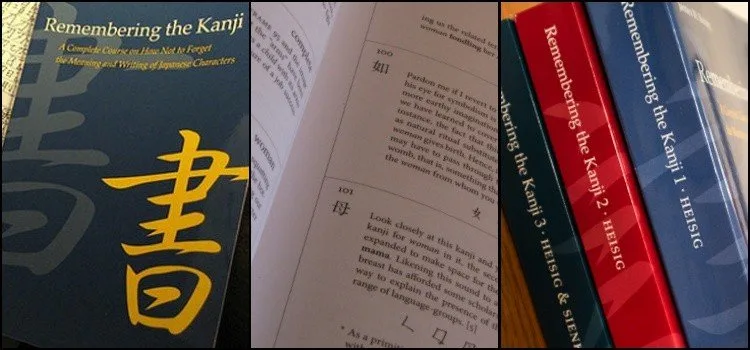
Course books only partially cover kanji. Learners who want a systematic path often use Remembering the Kanji (James Heisig) or similar imagination methods: you learn writing and meaning through stories first, and readings come later. It is not a miracle cure, but for many people it is the most structured way to stop “photographing” hundreds of characters without a system. Lists of jōyō kanji help set priorities alongside any method.
For grammar lookup, the English volumes A Dictionary of Basic/Intermediate Japanese Grammar (Makino/Tsutsui) remain a learning-circle standard—clearer than app snippets when you need to understand how two similar patterns differ. Use them as references, not as your only curriculum.
Reading needs separate practice: graded readers, manga with furigana, and later light novels. Many people underestimate how much short daily reading locks vocabulary—and overestimate empty workbooks with no story attached. One solid textbook plus a little real text beats five untouched spines on the shelf.
How to use Japanese books without wasting them
- One main textbook first: do not switch series every three weeks because a forum praised a different cover.
- Run the audio: shadow dialogues out loud; silent reading alone trains a different skill.
- Write by hand: kanji and example sentences on paper—typing alone builds less motor memory.
- Supplement, do not replace: flashcards and Japanese learning apps keep the daily rhythm, but they rarely replace a coherent course.
- Realistic JLPT expectations: Genki I/II or Minna elementary levels are foundation, not a pass guarantee—exam-style practice and extra vocabulary still matter.
If a book is clearly too easy, too dry, or too expensive because of mandatory companion volumes, switch on purpose and keep what you already know. Books work when they match your real week—and when you open them instead of collecting them. For broader study habits, see our 50 tips for learning Japanese and tips for studying Japanese alone.



Community
Comments
0 comments
There are no published comments in this language yet.
Send comment