
In this article, we will look at the main Korean honorific titles. You will see the meanings of nim, ssi, nuna, unni, hyung, oppa, ajumma, ajusshi, sunbae, hubae, seonsaeng, gun, yang, gaju, and naeuri.
Korean, like Japanese, uses honorific suffixes and forms of address to show respect, age, closeness, and social distance. If you are learning the language, it is worth understanding these forms early, because they appear everywhere in daily speech, dramas, webtoons, K-pop, and even office life. To go a little deeper into how names and address forms work, you can also check the list of male and female Korean names.
Contents 6
What are Korean honorific titles?
An honorific title is usually used to refer to the person you are speaking to or to a third person you are talking about. It is not normally used to refer to yourself, except in special or dramatic situations.
Honorific titles are similar to words like Mr., Mrs., Master, or Your Highness, but in Korean they are part of everyday communication. They are not decorative; they are practical. They tell the listener something about respect, role, age, and relationship.
You will see these forms constantly in manhwa, novels, Korean literature, and K-pop content. In Korean, using the right title is part of good manners, not just grammar.
Main Korean honorific titles
Nim: a formal and respectful suffix used for older people, respected people, or someone who deserves extra courtesy. It is one of the most flexible honorific endings.
Ssi: a polite and neutral suffix used for strangers or people you do not know well. It is formal, but less loaded than nim.
Nuna: used by a man to address an older woman or older sister figure. It sounds friendly and relatively close.
Unni: the female equivalent in usage style. A woman uses it for an older woman or older sister figure.
Hyung: used by a man to address an older man or brother figure. It can sound warm, respectful, and familiar at the same time.
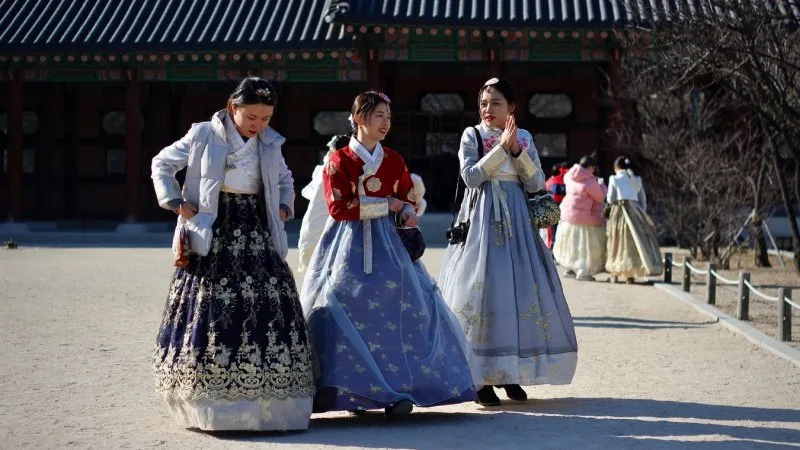
What does oppa, ajumma, and ajusshi mean?
Oppa: used by a woman to address an older man. Depending on the relationship, it can refer to an older brother, a boyfriend, or a close older male friend. It is one of the most recognizable Korean address terms.
Ajumma: used for middle-aged women. Be careful with this one, because using it for a younger woman can sound rude or insulting.
Ajusshi: the male counterpart to ajumma. It is used for middle-aged men and can also sound rude if used in the wrong situation, so context matters a lot.

What do sunbae, hubae, and seonsaeng mean?
Sunbae: used for older or more experienced colleagues, seniors, mentors, or people who are ahead of you in a school, work, or social setting. It is often compared to the Japanese senpai.
Hubae: the opposite of sunbae. It refers to a junior, a newer member, or someone with less experience. It is usually used in the third person rather than as a direct address.
Seonsaeng: often translated as teacher or professor, but it carries a wider sense of respect. In everyday use, you will often see seonsaengnim, which is a very common respectful form.

What do gun, yang, gaju, and naeuri mean?
Gun: a very formal and now rather old-fashioned title used for men in highly respectful or traditional contexts, often after the first or full name.
Yang: the feminine counterpart to gun. It is also old-fashioned and rarely used in modern everyday conversation.
Note: both of these honorifics have fallen out of common use because they sound extremely formal today.
Gaju: used for clan leaders or family heads. It can appear alone or with nim.
Naeuri: an old title historically used for people of high status during the Joseon Dynasty, below the rank of “Your Excellency.”
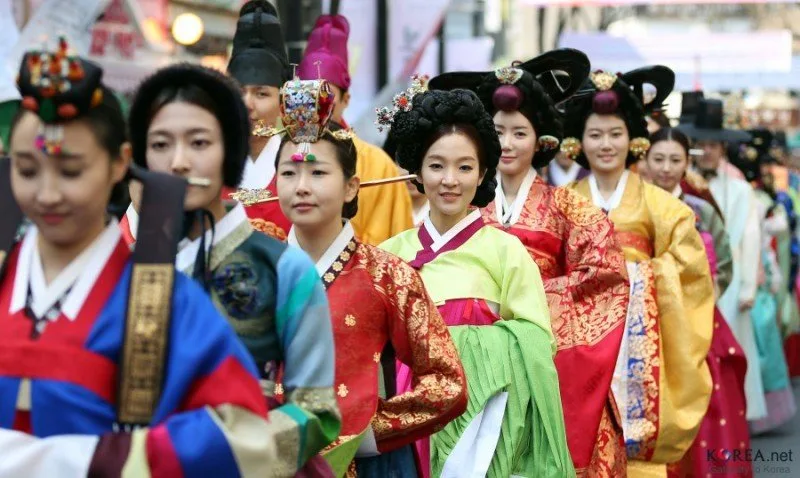
Comparison with Japanese honorifics
If you also want to compare Korean forms of address with Japanese ones, take a look at the Japanese honorifics. Korean and Japanese honorific systems are not the same, even when some forms look vaguely similar.
Korean honorifics can feel a bit harder at first, but language study always gets easier with repetition. The important thing is to understand the relationship behind the words, not only the dictionary meaning. If you are also learning the alphabet, you may like the introduction to the Korean language alphabet Hangeul.
Both Korean and Japanese use these forms very actively in daily life. Some older titles have faded over time, but they still matter because they reveal culture, hierarchy, and social nuance. That is part of what makes Korean so interesting to learn.
There are also broader connections across East Asian languages and address systems, so you may enjoy seeing the similarities between Japanese, Korean, and Chinese languages.
I hope you enjoyed this article. If you found it helpful, keep exploring these forms of address, because once they start making sense, Korean conversations become much easier to follow.
Have you already heard someone use oppa or sunbae in real life or in a drama?




Community
Comments
0 comments
There are no published comments in this language yet.
Send comment