
Feng Shui increasingly awakens curiosity among those who wish to transform their homes into more balanced and welcoming environments. But do you really know how to apply this ancient Chinese philosophy in your daily life? In this article, we will explore not only the concept but, mainly, how you can practically harmonize the spaces where you live. Get ready to see your home in a completely new way.
From positioning furniture to choosing the right colors, Feng Shui offers guidelines that transcend the aesthetic, seeking to favor the circulation of energy — the famous “Chi.” After all, who wouldn’t want to live in an environment that enhances well-being, prosperity, and tranquility? So, continue with me in this reading, because by the end you will be able to apply the basics of Feng Shui in your home without mystery.
Contents 5
What is Feng Shui and how does it work?
Feng Shui, whose literal translation is “wind and water,” originated in China over 3,000 years ago and is deeply connected to the idea that energy (Chi) circulates through environments, directly affecting the people who live in them. This ancient system of environmental harmonization combines principles of Taoist philosophy with knowledge of astronomy, geography, and architecture.
The essence of Feng Shui lies in the search for balance between the forces of Yin (more passive energy) and Yang (active energy). When there is disharmony, energetic blockages arise that can negatively interfere with the health, relationships, and even finances of the residents.
One of the main tools used is the Baguá, an octagonal map that indicates areas of life such as health, love, work, and prosperity. By applying the Baguá over the house plan, you discover which rooms influence each aspect of your life. Does it seem complex? In practice, it is more intuitive than you might imagine.
How to start applying Feng Shui in your home
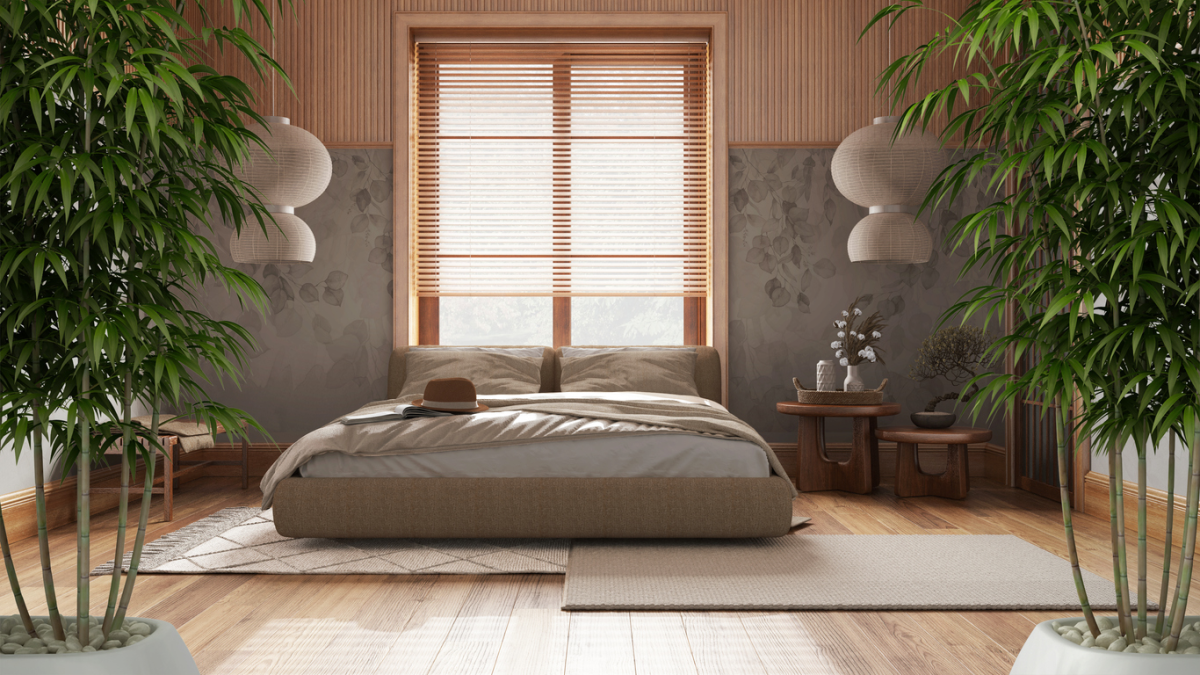
Before you start moving all the furniture, stop and observe: how is the circulation in your home? Feng Shui suggests that energy should flow freely, without obstacles. Cluttered hallways or blocked doors can create points of energetic stagnation. Your first step should be to eliminate excess.
Another essential measure is to ensure that the front door is clean, well-lit, and inviting. After all, it is considered the “mouth of Chi,” the point through which energy enters the home. A beautiful rug, healthy plants, and good lighting can transform this area simply and effectively.
The positioning of furniture is also crucial. In the living room, for example, the sofa should be positioned so that those sitting can see the door, creating an unconscious sense of safety and control. Similarly, the bed should never be aligned directly with the bedroom door, as this represents vulnerability.
Colors and natural elements in Feng Shui
The choice of colors plays a strategic role in harmonizing environments. Each color is associated with a natural element and a specific energy. For example:
- Red: associated with the Fire element, promotes passion, energy, and dynamism.
- Green: linked to Wood, favors growth, health, and renewal.
- Blue: represents Water, stimulating tranquility and introspection.
Before painting a wall or changing curtains, think: what energy do you want to stimulate in this room? In the bedroom, soft colors like pastel tones help with relaxation. In the office, vibrant tones can bring more focus and productivity.
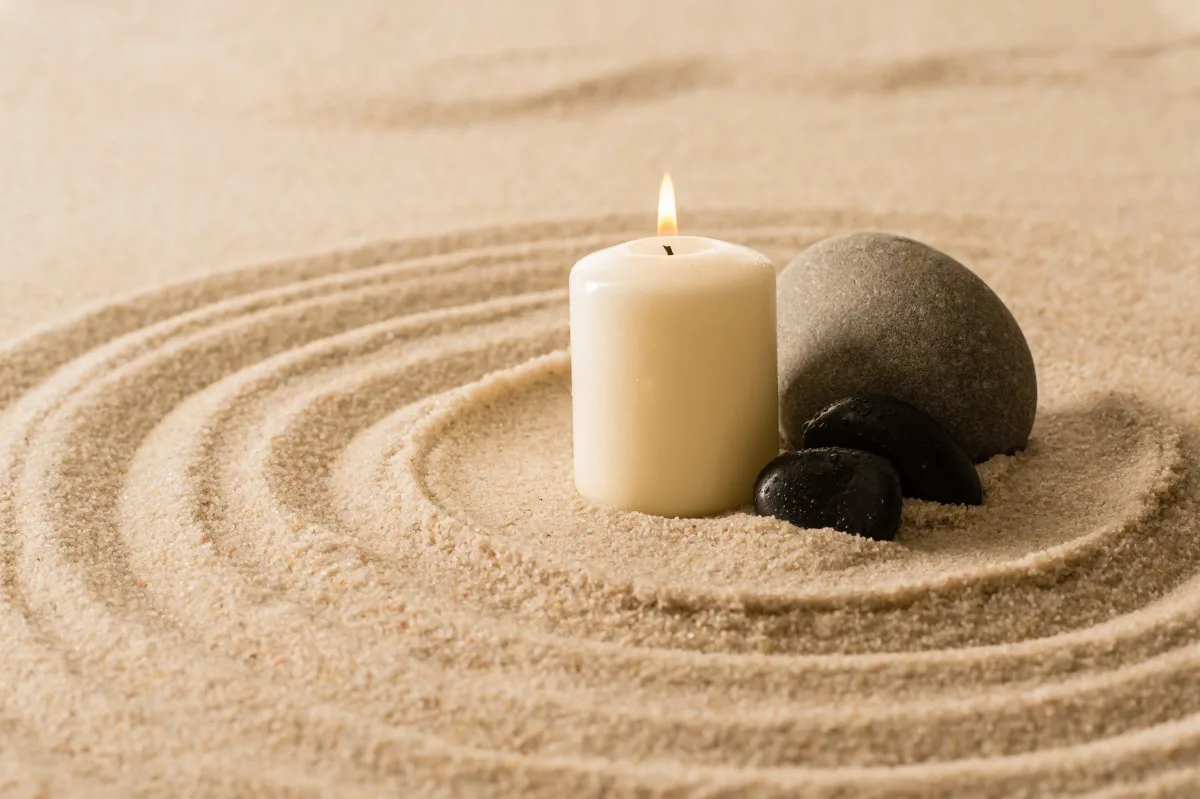
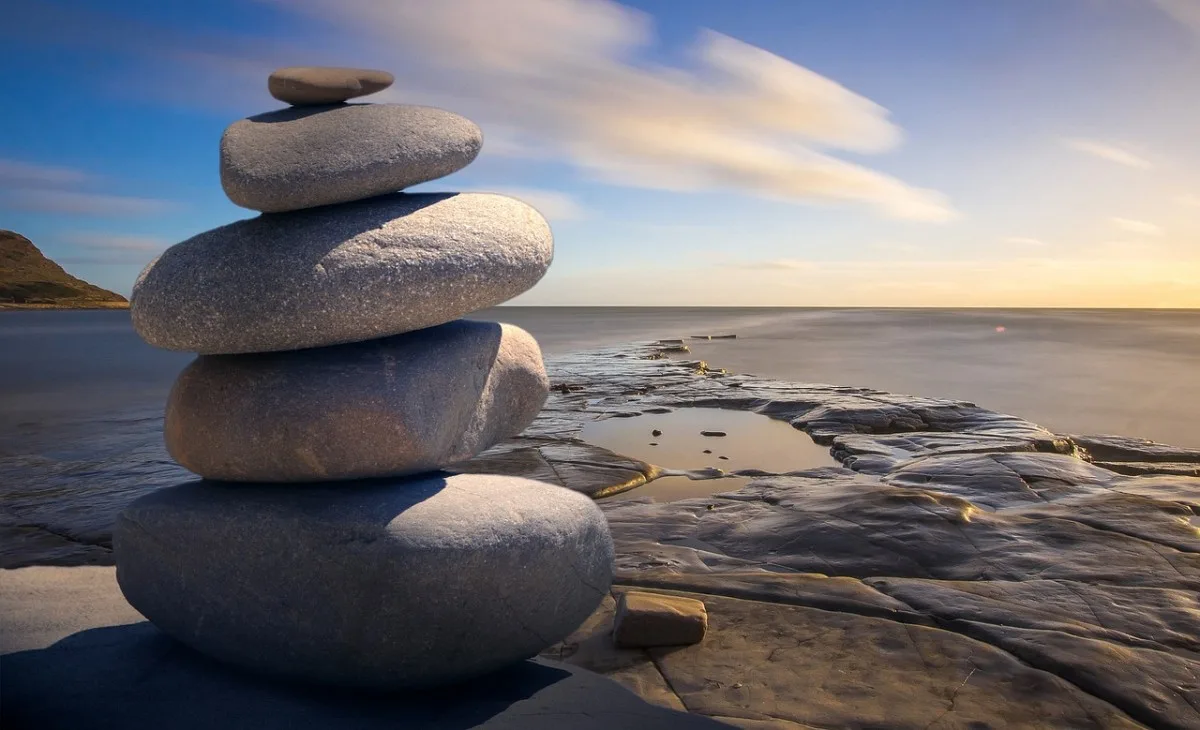
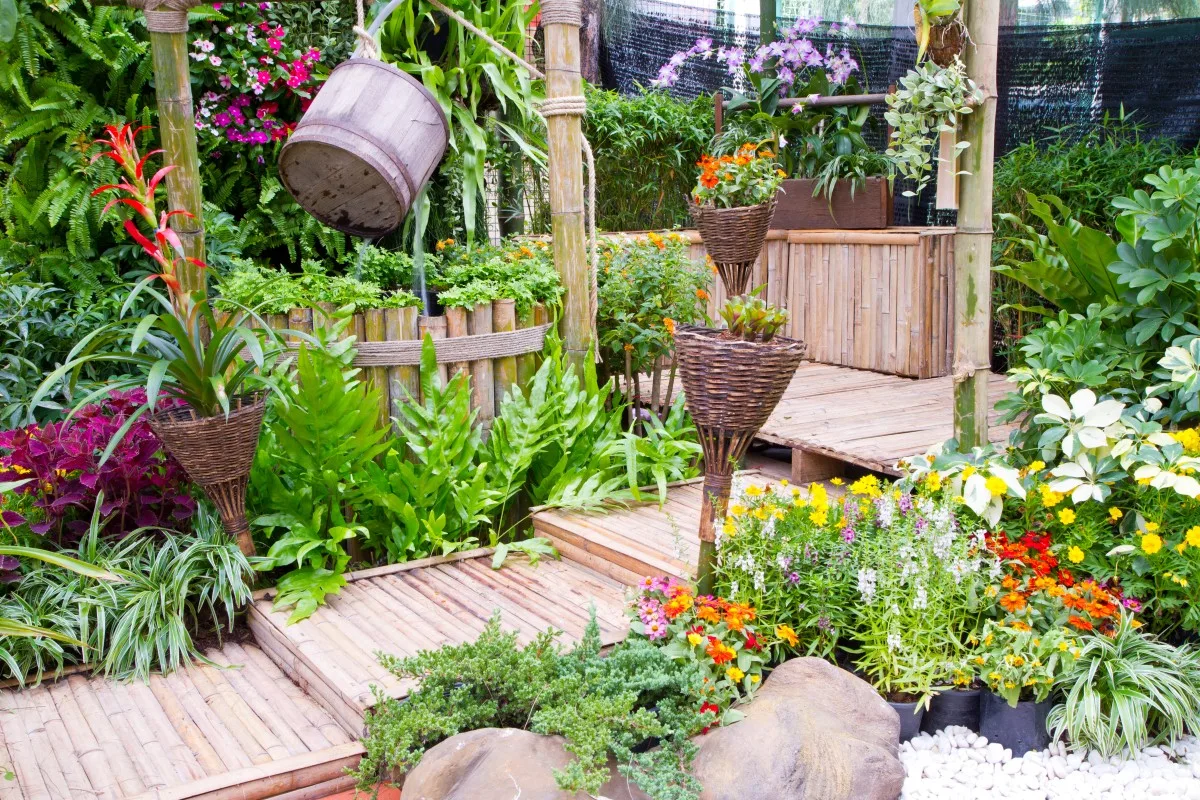
In addition to colors, incorporating natural elements is essential. Plants, water features, stones, and woods not only decorate but also strengthen the presence of the five elements (Wood, Fire, Earth, Metal, and Water) essential for energetic balance. And if you are thinking that you need to transform your home into a botanical garden, calm down! Just small, well-thought-out touches are enough.
Common mistakes when applying Feng Shui and how to avoid them
It is very easy to fall into the trap of wanting to “do Feng Shui” just by moving objects around, but this practice goes far beyond that. One of the most common mistakes is applying isolated techniques without considering the whole. Feng Shui is systemic, meaning each adjustment impacts the overall home.
Another frequent slip is ignoring the maintenance of objects and furniture. What’s the point of placing a plant if it is wilted? Or a cracked mirror? In Feng Shui, everything communicates and influences the energy of the environment.
Avoid excessive decorative items as well. Visually cluttered environments hinder the free circulation of Chi. Think about functionality and harmony. A “too full” home can be just as oppressive as an empty one.
Finally, do not make the mistake of following rigid formulas. Feng Shui is adaptation. Observe the space, understand your routine and needs. Don’t be afraid to test and feel the effects of the changes.
Practical tips to transform your home with Feng Shui
Now that you know the theory, how about getting your hands dirty? Here are some practical suggestions to start immediately:
- At the entrance: always keep it clean and organized, use a plant to attract good energies.
- In the living room: avoid having sofas and armchairs facing away from the door, promote a welcoming arrangement.
- In the bedroom: position the bed in a place that allows you to see the door without being directly aligned with it.
- In the kitchen: keep the stove clean and in good condition, as it symbolizes prosperity.
- In the bathroom: keep the toilet lid closed to prevent energy from "escaping."
If you want to go further, study the application of the Baguá and explore the areas that need more attention in your life. Small adjustments can lead to significant transformations.
And now, answer honestly: is your home reflecting who you want to be? If the answer is no, you already know where to start.


Community
Comments
0 comments
There are no published comments in this language yet.
Send comment