
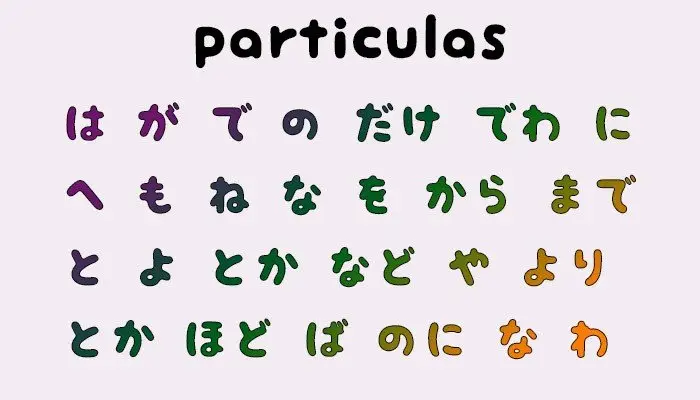
Japanese sentence-ending particles, known as shūjoshi (終助詞), appear at the end of a statement and change how it sounds to the listener. They can turn a line into a question, soften an opinion, add emphasis, or show that the speaker expects agreement. If you study Japanese through textbooks alone, these small endings can feel vague, but they are part of what makes spoken Japanese sound natural.
They are especially important in conversation because the same sentence can feel friendly, assertive, doubtful, or rough depending on the particle at the end. That is also why translating them word for word rarely works. Instead of forcing an English equivalent every time, it is better to learn the kind of attitude each particle adds.
If you are still getting used to Japanese pronunciation, it also helps to review how romaji works in Japanese, since many beginner explanations write these examples in both kana and romanization.
Contents 12
What sentence-ending particles do in Japanese
Sentence-ending particles do not usually change the core grammar of a sentence. What they change is the nuance. A plain sentence can sound like self-talk, while the same sentence with ね or よ clearly addresses another person. Others, such as かな or な, can express hesitation, reflection, prohibition, or emotional emphasis.
Because of that, these particles depend heavily on context, tone of voice, and the relationship between speakers. Some are neutral and common, while others can sound masculine, old-fashioned, soft, blunt, or strongly casual.
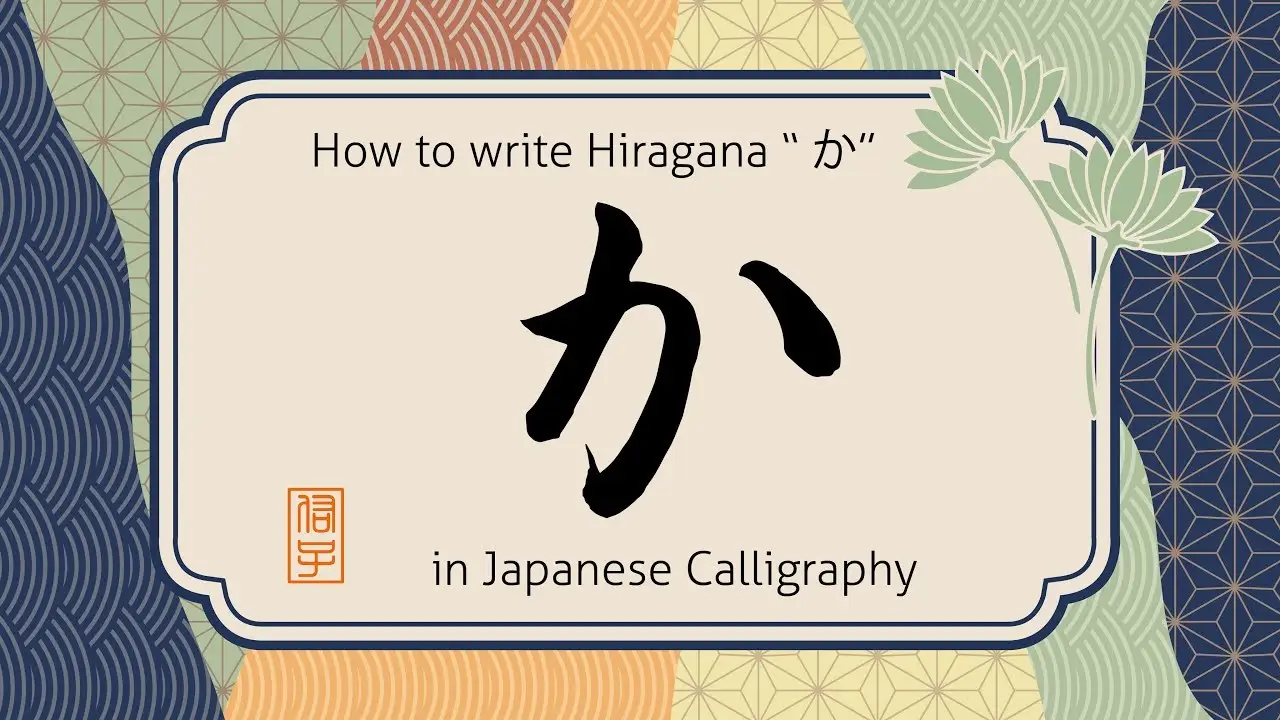
か: the standard question particle
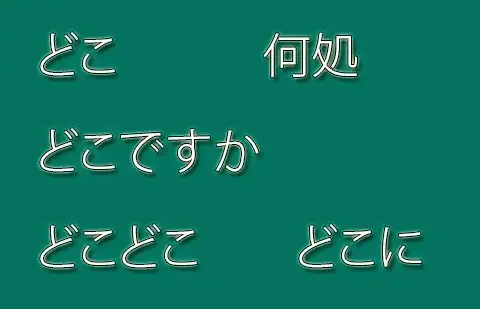
The particle か marks something as unknown. In modern Japanese it is the standard way to form clear questions, especially in polite speech.
あの人は誰ですか。
Ano hito wa dare desu ka?
Who is that person?
田中さんは先生ですか。
Tanaka-san wa sensei desu ka?
Is Mr. Tanaka a teacher?
It also appears in words such as 誰か (someone) and どこか (somewhere), where the idea of uncertainty still remains. In casual speech, many questions are asked without か, but learners should still understand it well because it is one of the most basic markers in Japanese.
の: explanation, softness and casual questions
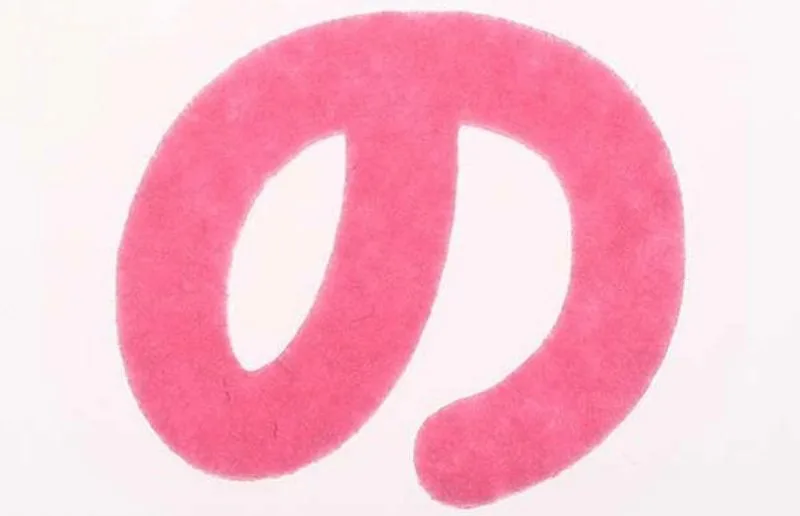
The particle の at the end of a sentence often adds an explanatory tone. In conversation, it can soften a question or make a statement sound more personal and emotionally involved.
いいの?
Ii no?
Is that okay?
どこに行くの?
Doko ni iku no?
Where are you going?
Depending on tone and speaker, final の can sound gentle, curious, or slightly insistent. It is common in casual speech and appears often in dialogue, especially when the speaker wants explanation or connection rather than a dry factual question.
ね: shared understanding and confirmation
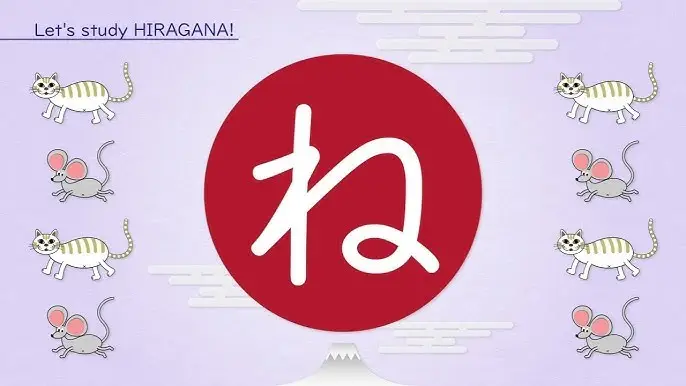
The particle ね is used when the speaker treats information as something shared with the listener. It can seek agreement, confirmation, or simply create a warmer conversational tone.
今日は暖かいね。
Kyō wa atatakai ne.
It is warm today, isn’t it?
田中さんはすごい人だね。
Tanaka-san wa sugoi hito da ne.
Tanaka is impressive, right?
One of the easiest ways to feel the difference is to compare a plain statement with the same sentence ending in ね. Without it, the line may sound like a private observation. With it, the speaker clearly invites the listener into the moment.
よ: giving new information or emphasis
The particle よ presents the sentence as information the speaker is giving to the listener. It often sounds more assertive than ね, not necessarily rude, but more one-directional.
分かるよ。
Wakaru yo.
I know.
あの映画はすごく良かったよ。
Ano eiga wa sugoku yokatta yo.
That movie was really good.
彼は煙草を吸わないよ。
Kare wa tabako o suwanai yo.
He does not smoke.
A useful shortcut is this: ね leans toward shared understanding, while よ leans toward informing. In real speech they can even combine as よね, which mixes both ideas and often sounds like confident confirmation.
ぞ and ぜ: strong, casual emphasis
ぞ and ぜ are strongly casual particles often associated with masculine or rough speech. They add force, confidence, and emotional punch.
行くぞ!
Iku zo!
Let’s go!
やるぜ。
Yaru ze.
I’m doing this.
These particles appear often in anime, manga, games, and dramatic dialogue, so learners notice them early. In everyday conversation, however, using them carelessly can make you sound too aggressive or theatrical.
な: reflection, agreement and prohibition
The particle な has more than one function, which is why context matters. It can express reflection, emotional emphasis, or a desire for agreement, and it can also appear as a negative command.
寒いなあ。
Samui nā.
It’s really cold.
本当に速いな。
Hontō ni hayai na.
That is really fast.
行くな!
Iku na!
Don’t go!
That last use is important: when attached to a dictionary-form verb, な can become a direct prohibition. Because of this dual role, you always need to read the whole sentence, not only the particle by itself.
かな and かしら: doubt and wondering
かな is commonly used when the speaker is thinking aloud or wondering about something. It sounds softer than a direct question and often carries uncertainty.
今日は雨が降るかな。
Kyō wa ame ga furu kana.
I wonder if it will rain today.
いい大学に行けるかな。
Ii daigaku ni ikeru kana.
I wonder if I can get into a good university.
かしら is a similar form that is traditionally more feminine. You may still hear it in conversation, but its tone and frequency depend a lot on the speaker and setting.
わ: soft personal feeling
The sentence-ending わ is often introduced as a feminine particle, but the real picture is more nuanced. Depending on region, age, and tone, it can express personal feeling, emphasis, or gentle assertion.
明日行くわ。
Ashita iku wa.
I’ll go tomorrow.
In many learning materials it is associated with women’s speech, but Japanese usage is not frozen. Some patterns sound old-fashioned, some are regional, and some are far less common in daily speech than anime might suggest.
Common mistakes learners make
The first common mistake is trying to force a fixed English translation for every final particle. That usually makes explanations less accurate, not more. A better approach is to ask what the speaker is doing: informing, confirming, wondering, prohibiting, softening, or emphasizing.
The second mistake is copying dramatic particles from anime without noticing register. A form that sounds exciting in fiction may sound strange in normal conversation.
The third is ignoring how spoken Japanese depends on nuance. If you want a broader view of how style and context shape the language, this overview of particularities of the Japanese language helps connect grammar with real usage.
Why these particles matter so much
Japanese sentence-ending particles are small, but they carry a surprising amount of social and emotional information. They show how the speaker sees the listener, how certain the speaker feels, and what kind of atmosphere the sentence should create.
Once you start noticing them in native speech, conversations sound less flat and much easier to interpret. That is when Japanese stops feeling like a set of isolated grammar rules and starts sounding like a living language.


Community
Comments
0 comments
There are no published comments in this language yet.
Send comment