
Do you know how to say Welcome in Japanese? Do you know the meaning of the terms Okaeri, Youkoso, and Irasshai? In this article, we will see all the ways to say Welcome in Japanese.
While in the Portuguese language we only know the word welcome, in the Japanese language there are different ways to give Welcome, depending on the place and occasion.
For those who are unaware, the word "welcome" is used to express satisfaction and joy at someone's arrival, demonstrating a hospitable reception to that person.
Also read other articles:
- Oishii! 16 Ways to say delicious in Japanese
- Daijoubu – Understanding the meaning and use of the Japanese word
Contents 5
Irasshai and Irasshaimase
The word irasshaimase [いらっしゃいませ] is a formal way to say welcome to an establishment. Depending on the occasion, you may hear its abbreviation irasshai [いらっしゃい] being a bit informal.
The word irasshai [いらっしゃい] comes from the verb irassharu [いらっしゃる] which can be written with the ideograms [入] meaning enter, [行] meaning go or will go, and iru [居] meaning to be, exist, and remain.
Saying irasshai is like asking the person to come in and feel welcome in our store or place. The "mase" [ませ] is used to increase the delicacy and politeness of a greeting, which means to please, considered a teineigo.

This word also conveys the idea of come in and "make yourself at home", "I am at your service". You will probably notice in some sentences that the translation of the word irasshai or irasshaimase will not literally mean a welcome. See some example sentences below:
毎度、またいらっしゃい
Maido mata irasshai
Thank you, come back anytime!
明日遊びにいらっしゃい。
Ashita asobi ni irasshai.
Please come play tomorrow.
There is no need to respond upon hearing irasshai in stores, but you can bow your head as a sign of gratitude.
Okaeri and Okaerinasai
This word is more used when you are arriving at a place you have been before, like your own home or a frequently visited shop, where you already have familiarity with the owner.
When you enter places like Maid-Café, they welcome you with Okaerinasai mase goshujin sama [おお帰りなさいませご主人様] which is a very formal way of saying welcome, simulating nobles arriving at their mansions and being served by maids.
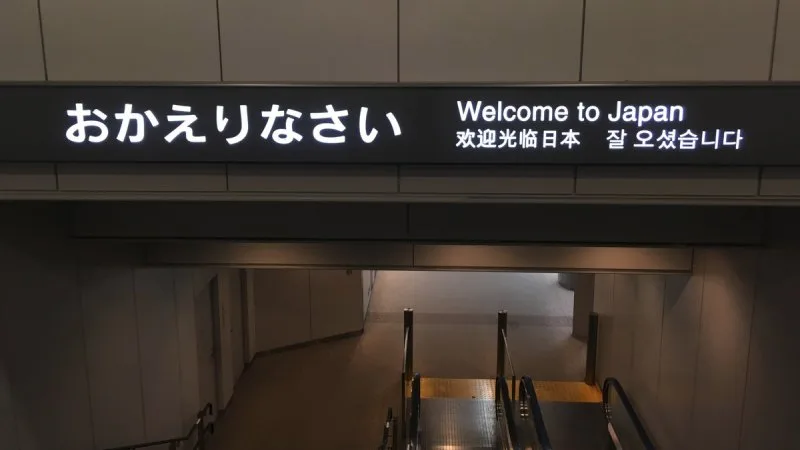
"Okaerinasai" [お帰りなさい] derives from the verb "kaeru" [帰る] which means to return, where this expression can literally mean "welcome back". The abbreviated and informal form is just "okaeri" [お帰り].
Generally, when someone arrives home, they say tadaima [ただいま] which is equivalent to "I'm home!". The person who is at home usually says okaeri [お帰り]. Sometimes this word may appear in sentences where it means exactly "to return".
Welcome - Youkoso
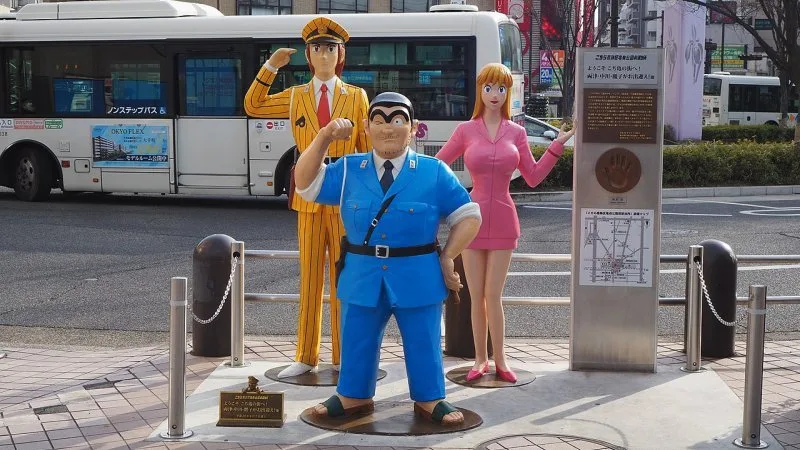
This word literally means welcome or good to see you. This version is more generic and is closer to welcome in the Portuguese language. It is usually used to introduce something.
The word youkoso comes from the verb yoku [良く] which means well. The koso [こそ] is a particle used to emphasize the previous word. See some example sentences:
- Nihon e youkoso [日本へようこそ] - Welcome to Japan;
- youkoso kikai e [ようこそ機械へ] - welcome to the machine;
Other ways to say Welcome in Japanese
Below we will leave a list of words related to welcome or Welcomes. I hope you enjoyed the article. If you liked it, don't forget to share and leave your comments.
| Portuguese | Japanese | Romaji |
| Welcome, reception [する] | 歓迎 | kangei |
| To welcome | 持て成す | motenasu |
| From English Welcome | ウェルカム | werukamu |
| Irasshai in the Ryuukyuu dialect | めんそーれ | menso-re |
| Special treatment, warm reception | 優待 | yuutai |
| Come | お出でなさい | oidenasai |
| Meeting, greeting, welcome | 迎い | mukai |
| Cordial welcomes, hospitable treatment; | 厚遇 | kougou |
| Welcome in the Kyoto dialect | おいでやす | oideyasu |
パーティーに来たいと思う人は誰でも歓迎いたします。
Paatii ni kitai to omou hito wa dare demo kangei itashimasu.
Anyone who wants to come to the party is welcome.
Conclusion and Video Lesson
I hope this video has helped you understand how to say Welcome in Japanese. I hope the differences between Youkoso, Irasshai, and Okaeri have been clarified.
To finish, we recommend watching an explanatory video about Welcome in Japanese. We also encourage you to share the article with friends and read other articles from our site.





Community
Comments
0 comments
There are no published comments in this language yet.
Send comment