
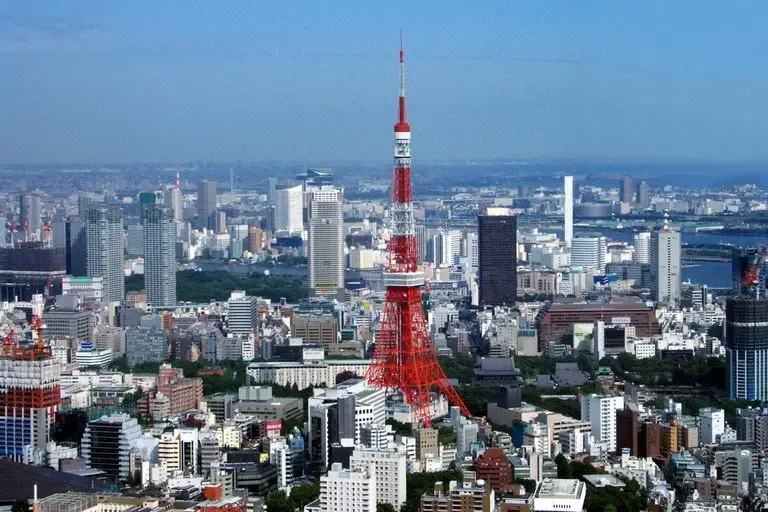
There is no single best city to live in Japan. Tokyo may be the strongest choice for career opportunities and international connections, while Osaka offers a large-city lifestyle with a more relaxed social atmosphere. Fukuoka attracts people who want urban convenience without the scale of Tokyo, and Sapporo suits anyone who prefers cooler weather and snowy winters.
Before choosing, compare four practical points: where you can work, how much housing and transport will cost, what climate you can tolerate, and whether the city fits the pace of life you want. A famous city is not automatically the right city for you.
Contents 11
Which city in Japan is best for you?
Use this quick guide before looking at individual cities:
- Career, international companies, and connections: Tokyo or Yokohama.
- Big-city services with a friendlier, more relaxed rhythm: Osaka.
- Lower-cost metropolitan life and access to nature: Fukuoka.
- Manufacturing jobs and established international communities: Nagoya, Hamamatsu, or other cities in Aichi and Shizuoka.
- History, temples, and traditional neighborhoods: Kyoto.
- Snow, cooler summers, and winter sports: Sapporo.
- Warm weather, beaches, and a slower island pace: Okinawa.
This comparison is a starting point, not a ranking. Your employer, school, family situation, and commute can matter more than the city name.
Tokyo: best for career opportunities and connectivity
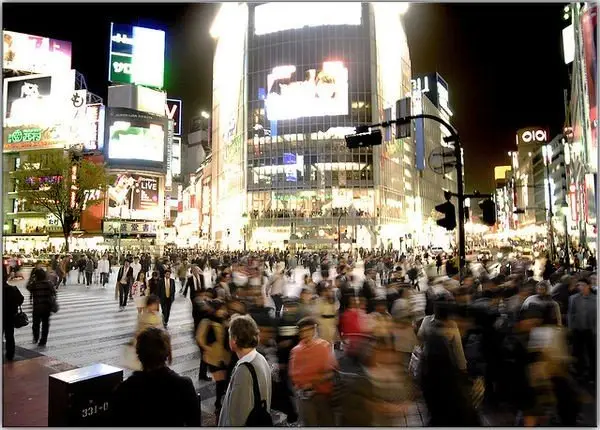
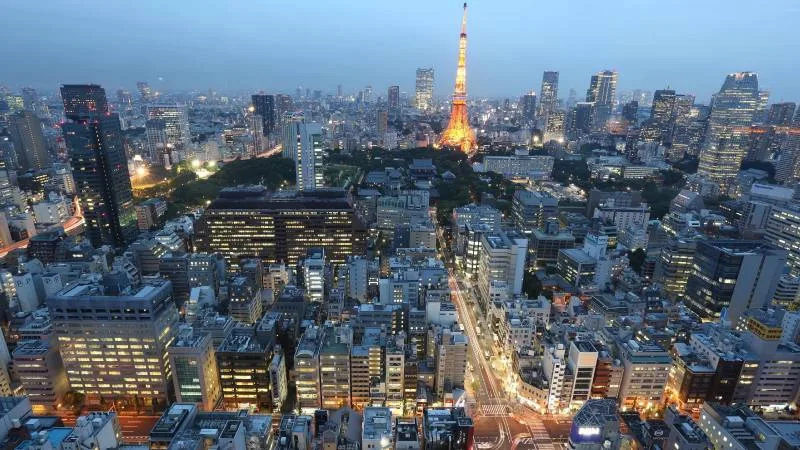
Tokyo has the widest range of employers, universities, services, neighborhoods, and international connections in Japan. It is a natural choice for people working in technology, finance, media, education, tourism, and other fields concentrated in the capital.
The trade-off is daily pressure. Housing is usually more expensive, commuting can be tiring, and the distance between home and work may shape your entire routine. Tokyo works best when your income and workplace justify the cost, or when access to its opportunities is your main priority.
Osaka: best for urban life with a more relaxed atmosphere
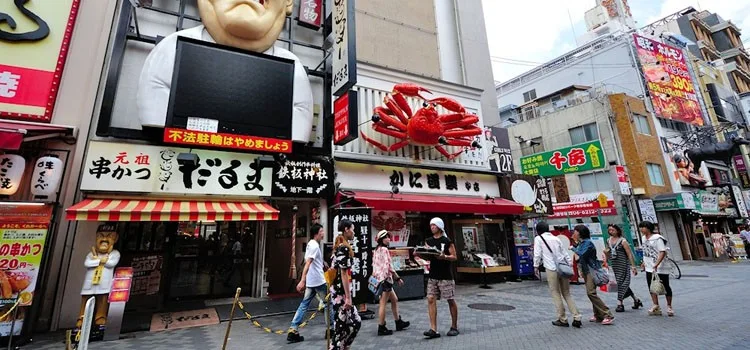
Osaka combines extensive transport, universities, hospitals, shopping, food, and entertainment with a rhythm many residents find less formal than Tokyo. It is also a practical base for visiting Kyoto, Nara, and Kobe.
Choose Osaka if you want a major metropolitan area but value restaurants, neighborhood life, and easier social interaction as much as career scale. Housing still varies widely by station and neighborhood, so checking the commute is more useful than comparing city averages.
Fukuoka: best for balance between city and nature
Fukuoka is often considered by people who want a compact city, convenient services, beaches, and access to outdoor spaces. The city has an international outlook and a growing startup scene, but it has fewer multinational career options than Tokyo.
Its compact layout can make everyday life simpler, especially for someone who wants restaurants, shopping, and transport without crossing a huge metropolitan area. Fukuoka is a strong option for remote workers, entrepreneurs, students, and families who prefer balance over maximum career concentration.
Nagoya, Hamamatsu, and Shizuoka: practical choices for work and families
Nagoya and the surrounding Chubu region are important for manufacturing, engineering, logistics, and business. Hamamatsu and other cities in Shizuoka also have long-established international communities connected to industry. These places can be a good fit when a job, school, or family connection already points you toward the region.
Smaller cities may offer more space and a calmer routine, but a car can become more useful outside the largest urban centers. Check the exact workplace, nearest station, school options, and access to services before deciding that a lower rent will automatically mean an easier life.
Yokohama: international waterfront life near Tokyo
Yokohama offers a large port-city environment, parks, waterfront areas, international neighborhoods, and access to Tokyo by train. It can suit families or professionals who want the capital within reach but prefer a different residential setting.
The main question is your commute. Living in Yokohama does not remove Tokyo travel time, and the best neighborhood depends on your workplace, budget, and tolerance for crowded trains.
Kyoto: best for history and traditional surroundings
Kyoto is a strong match for people drawn to temples, gardens, traditional architecture, seasonal festivals, and cultural tourism. Its atmosphere is distinctive, but living there is not the same as taking a short trip: popular areas can be busy, housing choices vary, and local routines matter.
Choose Kyoto because its daily environment appeals to you, not only because its landmarks look beautiful in photographs. People who need a broad corporate job market may find Tokyo, Osaka, or Nagoya more practical.
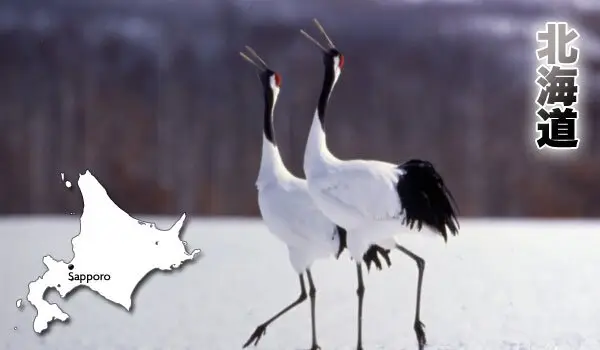
Sapporo and Hokkaido: best for cooler weather and open space
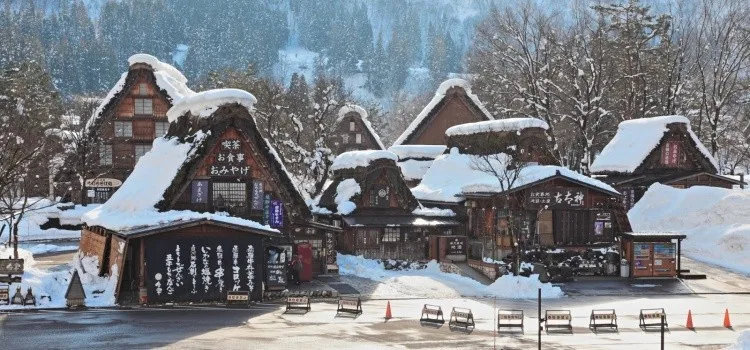
Sapporo is a major city with a cooler climate, snowy winters, good food, and access to Hokkaido's natural landscapes. It is attractive to people who dislike hot, humid summers or want winter sports nearby.
Snow is not a minor detail. Heating, winter clothing, walking conditions, and transportation routines all change during the cold season. Visit or research the winter experience before moving if you have never lived in a snowy region.
Okinawa: best for warm weather and an island lifestyle
Okinawa offers warmer weather, beaches, and a slower pace than Japan's largest mainland cities. It can be appealing to people who prioritize climate and outdoor life over access to the widest job market.
Island living also means considering typhoons, humidity, travel connections, and the smaller range of specialized jobs. Okinawa is a lifestyle choice first; confirm employment and housing before treating it as an easy escape from city life.
How to choose where to live in Japan
- Start with work or school: identify the exact location and acceptable commute before choosing a city.
- Compare the full monthly budget: include rent, transport, utilities, food, insurance, and occasional travel.
- Check the climate: Tokyo and Osaka have hot summers, Sapporo has heavy snow, and Okinawa has a subtropical climate with typhoons.
- Think about language and support: a larger international community can help at first, but local Japanese services and daily practice still matter.
- Test the routine: a short stay near the future workplace can reveal commute time, noise, shopping options, and neighborhood atmosphere.
People who arrive through a contractor, school, or employer may have limited control over the first city. In that case, focus on learning the local transport network, finding essential services, and exploring nearby neighborhoods. A city becomes easier to understand after you see how your own routine fits it.
Final answer: what is the best city to live in Japan?
Tokyo is the strongest all-around choice for career range and connectivity. Osaka is often better for people who want a large city with a more relaxed social rhythm. Fukuoka offers a balanced urban lifestyle, Nagoya and Hamamatsu make sense for many industry-based careers, Kyoto suits traditional surroundings, Sapporo favors cooler weather, and Okinawa prioritizes beaches and warmth.
The best city is the one that keeps your work, budget, commute, climate, and daily life compatible. Compare the routine you will actually live, not only the image each city presents to visitors.
If high-speed travel is part of your routine, living near a station served by the Shinkansen can make visits to other regions much easier.
For another city-by-city comparison, see these practical guides from Expatica, A Way Abroad, and Weave Living.

Community
Comments
0 comments
There are no published comments in this language yet.
Send comment